
The New Wine Regions to Visit in 2026
For a long time, wine travel meant Bordeaux, Burgundy, Tuscany, or Napa. Those regions produce extraordinary wine and will continue to do so. They also produce extraordinary crowds, extraordinary prices, and a particular kind of tourism infrastructure that can make it difficult to get anywhere near the actual winemakers.
The most interesting wine travel in 2026 looks different. It involves smaller appellations, older traditions, and producers who are still surprised when international visitors show up at the cellar door (which is our favorite kind!). Here are the regions worth building a trip around this year.
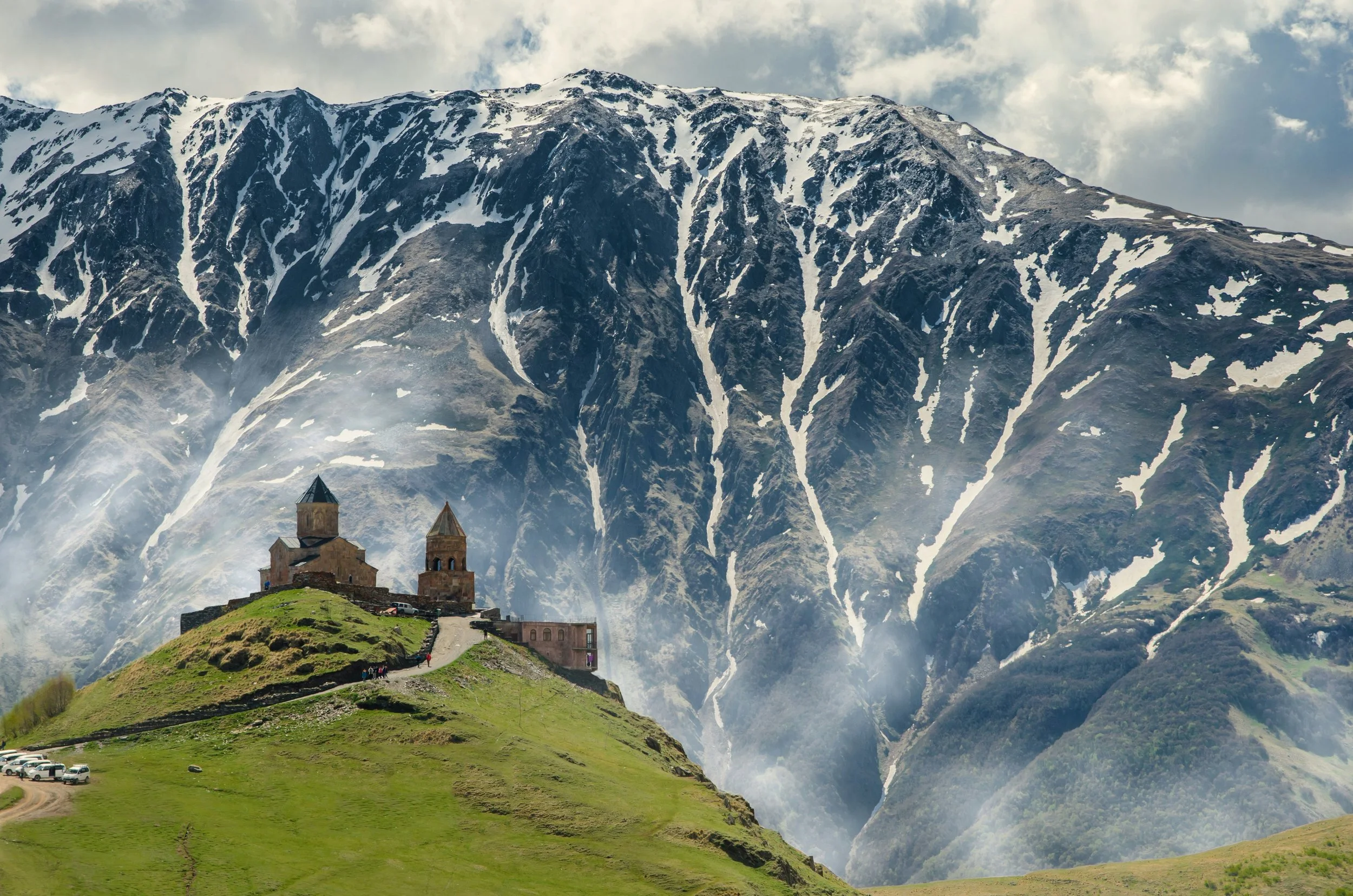
Georgia
Georgia has been making wine for 8,000 years, which makes it the oldest winemaking culture in the world by a significant margin. The method, fermenting grape juice in large clay vessels called qvevri, buried underground, predates written history! The result is what the natural wine world now calls orange wine: skin-contact whites with a depth of colour and tannin structure that bears almost no resemblance to anything produced by conventional winemaking.
The Kakheti region in eastern Georgia produces around 70% of the country's wine across a valley of family-run vineyards. The variety count is extraordinary with over 525 indigenous grape varieties, most of which have never been planted anywhere else on earth.
What makes Georgia worth a dedicated trip rather than a wine tasting en route to something else is the Supra tradition. A Georgian feast presided over by a toastmaster is a multi-hour, multi-course event where the wine pours continuously, and the toasts become increasingly elaborate as the evening progresses. It is the cultural context that helps explain why Georgians make wine the way they do. Not as a product, but as the central organising principle of hospitality.
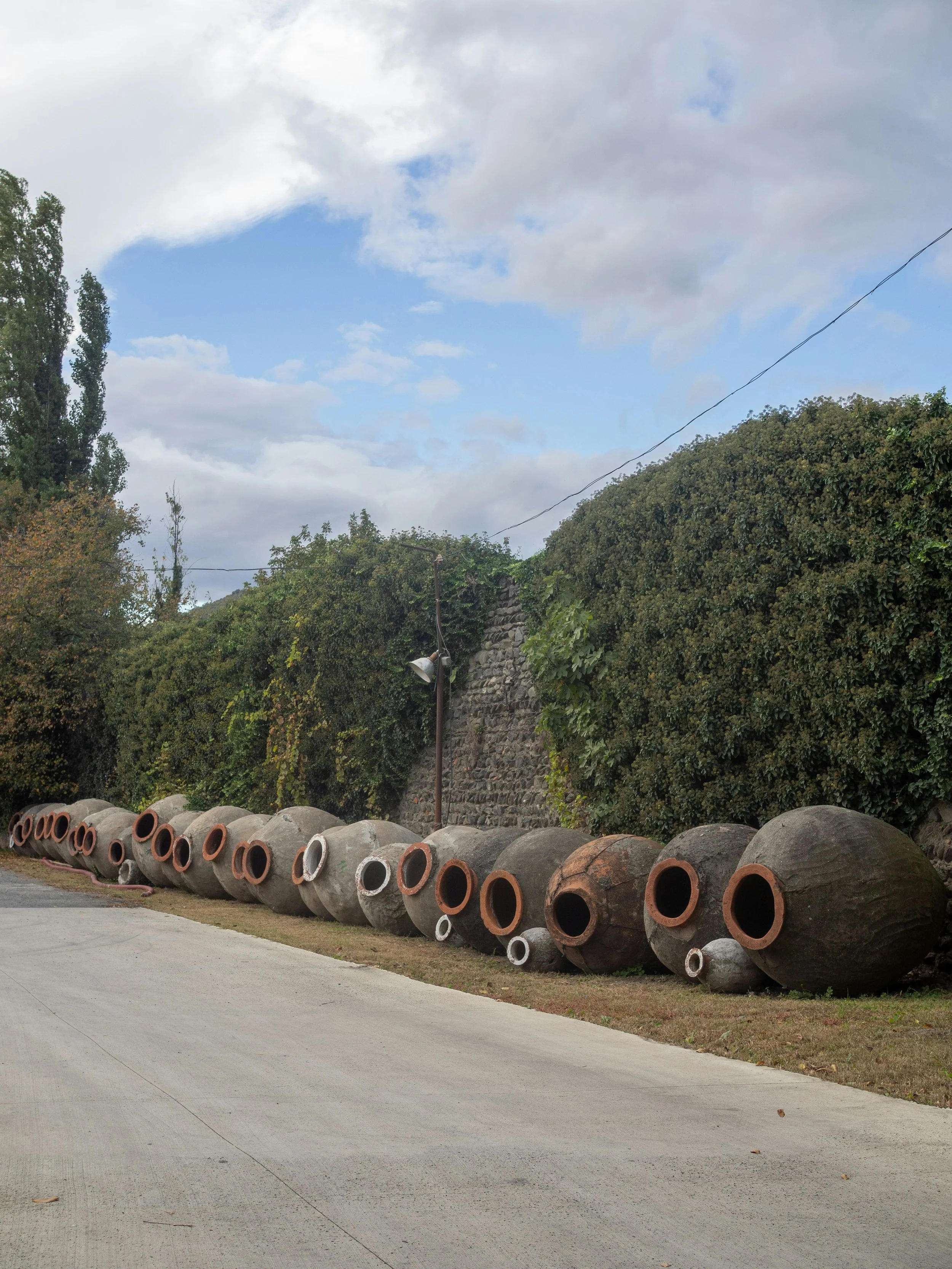
Best time to visit: September and October for the harvest. The Rtveli (grape harvest season) involves the whole community and is the best possible moment to be in the vineyards.
Who goes: Wine enthusiasts who have covered the European classics and want something genuinely different. Groups who want an immersive cultural experience built around the table.
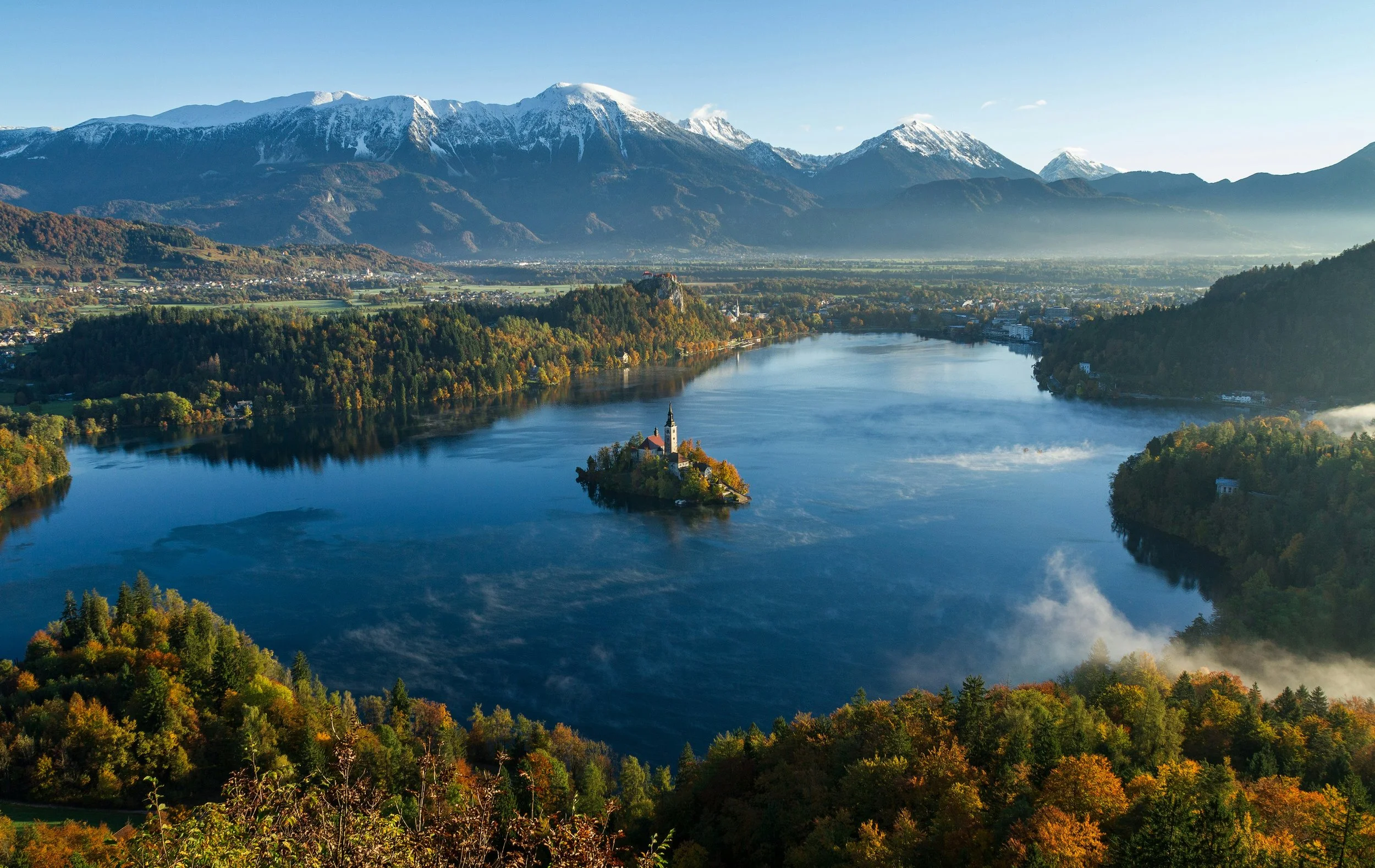
Slovenia
Slovenia sits between Italy and Austria and has been producing wine in both traditions for centuries, largely without anyone outside the region paying much attention. That has been changing since the natural wine movement identified the Brda hills in western Slovenia, which sit directly across the border from Collio in Friuli, as one of the most interesting winemaking areas in Europe.
The Brda region grows Rebula (known in Italy as Ribolla Gialla) on steep limestone and clay slopes that produce some of the most age-worthy white wines being made anywhere. Producers like Movia and Edi Simčič have been making wine here for generations and represent two ends of the spectrum: Movia is one of the most uncompromising biodynamic producers in Europe; Simčič produces polished, internationally recognised wines from the same soils.
The capital Ljubljana is an hour's drive away and worth a day or two: a small, genuinely liveable city with good restaurants, a walkable old town, and a food market on the river that operates every day of the week.
Beyond Brda, the Vipava Valley to the south produces reds and whites from indigenous varieties in a landscape of karst geology and Bora winds. The Štajerska region in the northeast makes Pinot Blanc, Welschriesling, and Sauvignon Blanc in an Austrian style. Slovenia is a small country, you can cover all three regions in two weeks with time to spare.
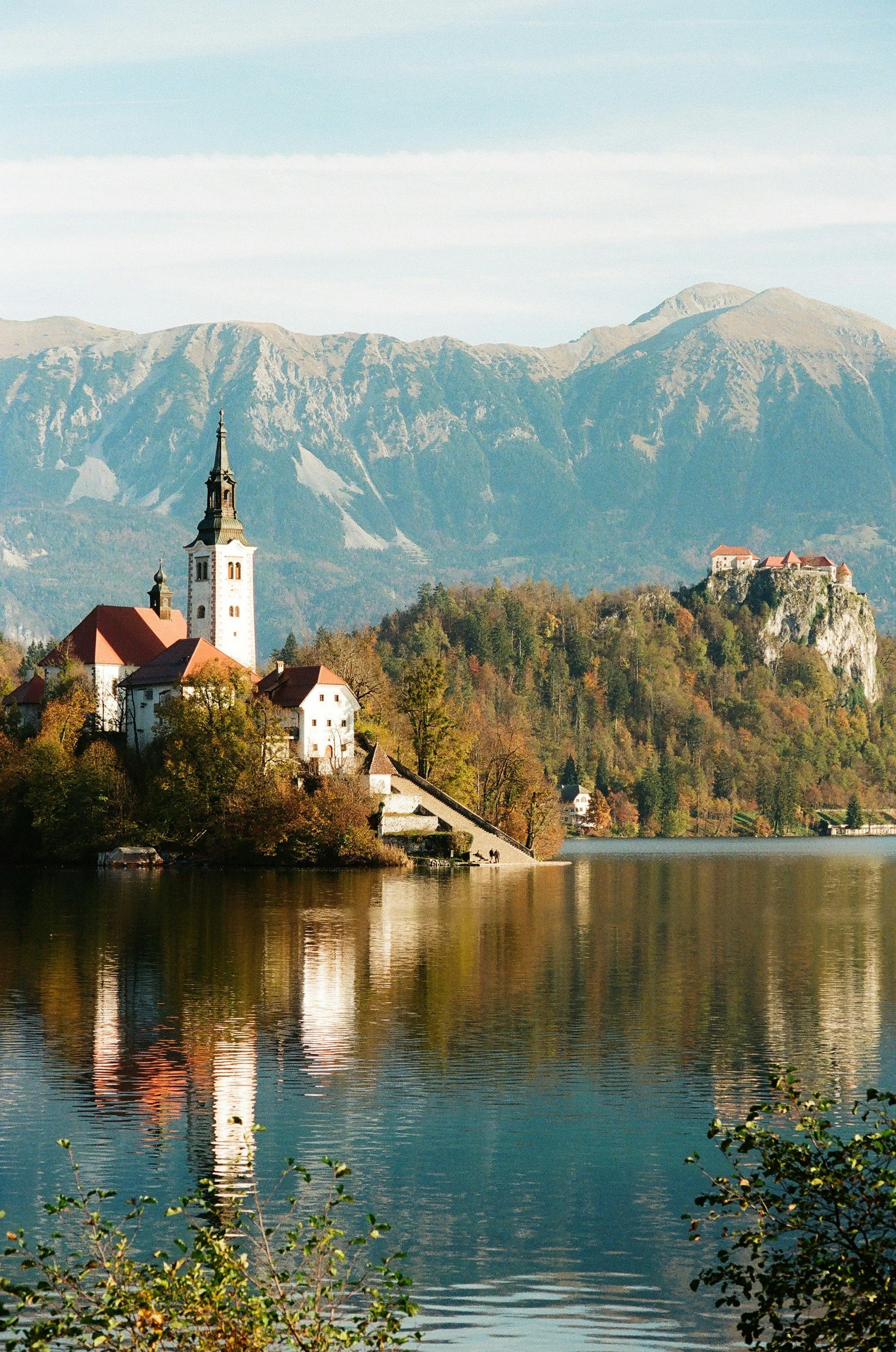
Best time to visit: May through October. The harvest runs through September and early October.
Who goes: Wine travelers with an interest in natural and biodynamic production. Slow travelers who want to cover multiple regions in a small geographic area.
English Sparkling Wine
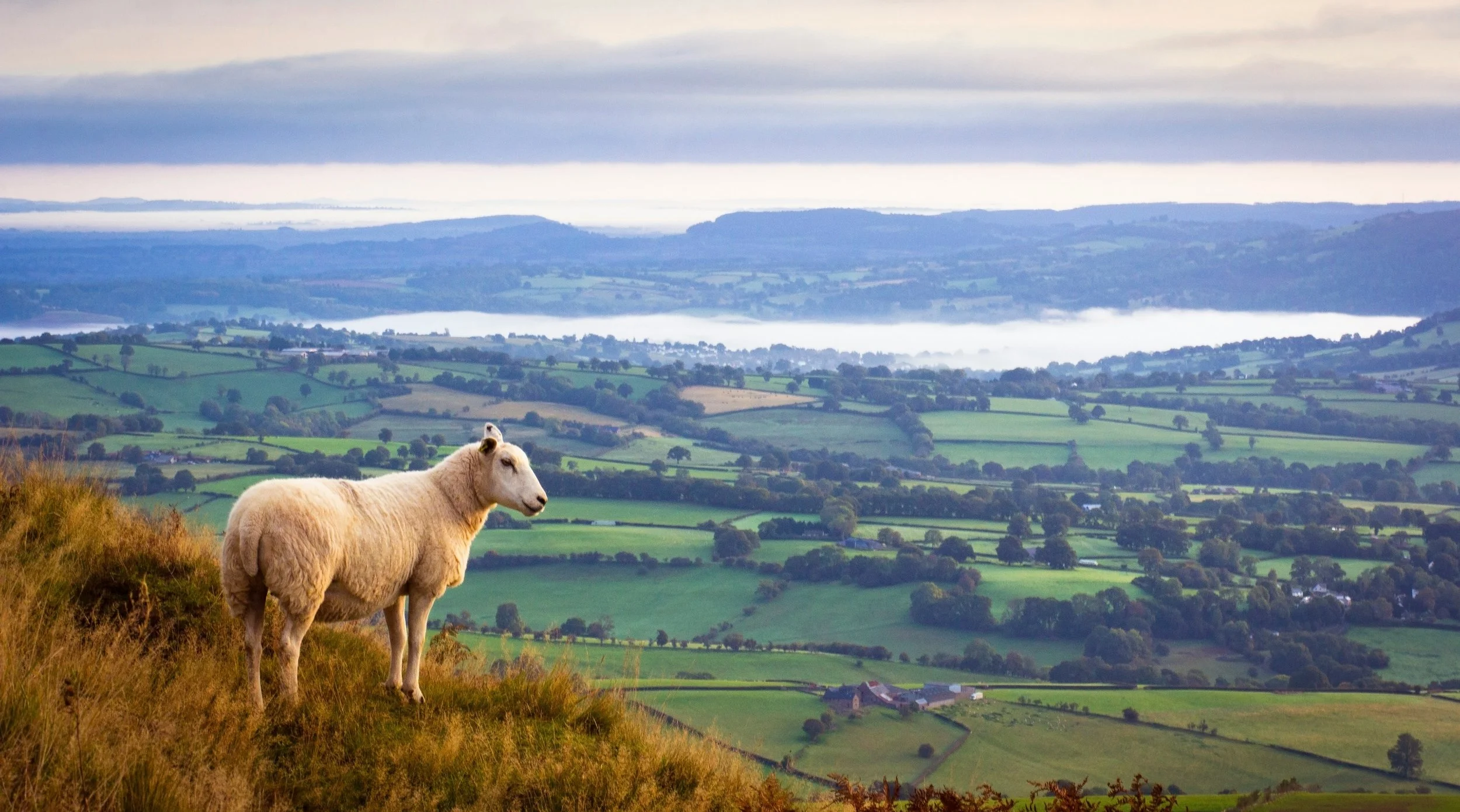
English sparkling wine has moved from novelty to serious competitor in the space of about twenty years. The chalk geology of the North and South Downs in southern England is geologically identical to the Champagne region. Yes, seriously, it’s the same seabed, laid down at the same time and tilted by the same geological forces. The results, from producers who have been farming these slopes since the 1990s, have won blind tastings against Champagne on multiple occasions.
The key varieties are the same as Champagne: Chardonnay, Pinot Noir, and Pinot Meunier. The producers doing the most interesting work include Nyetimber (the pioneer, making sparkling wine in West Sussex since 1988), Ridgeview in the South Downs, Gusbourne in Kent, and a growing number of smaller estates across Surrey, Sussex, and Hampshire.
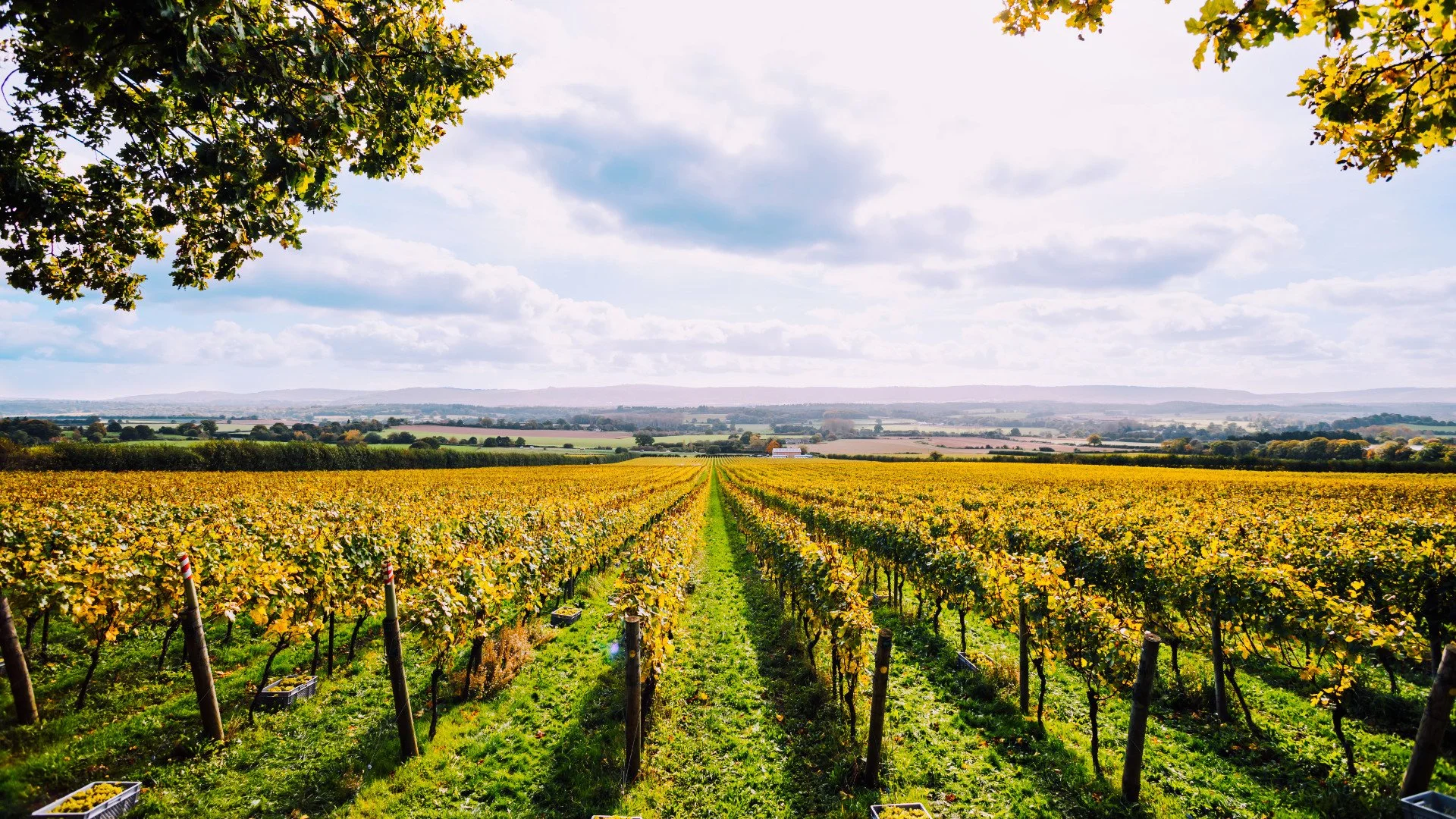
A wine tour through the English South Downs combines easily with time in Brighton, the South Downs National Park, and the coastline between Eastbourne and Hastings. Several estates offer tastings and tours, and the landscape is exactly the kind of terrain that rewards slow travel by car.
Best time to visit: Summer and early autumn. Most estates offer tours from May through October.
Who goes: Wine enthusiasts based in or visiting the UK who want to understand what English wine has actually become. Visitors who want to combine wine with coastal walking and countryside.
The Canary Islands
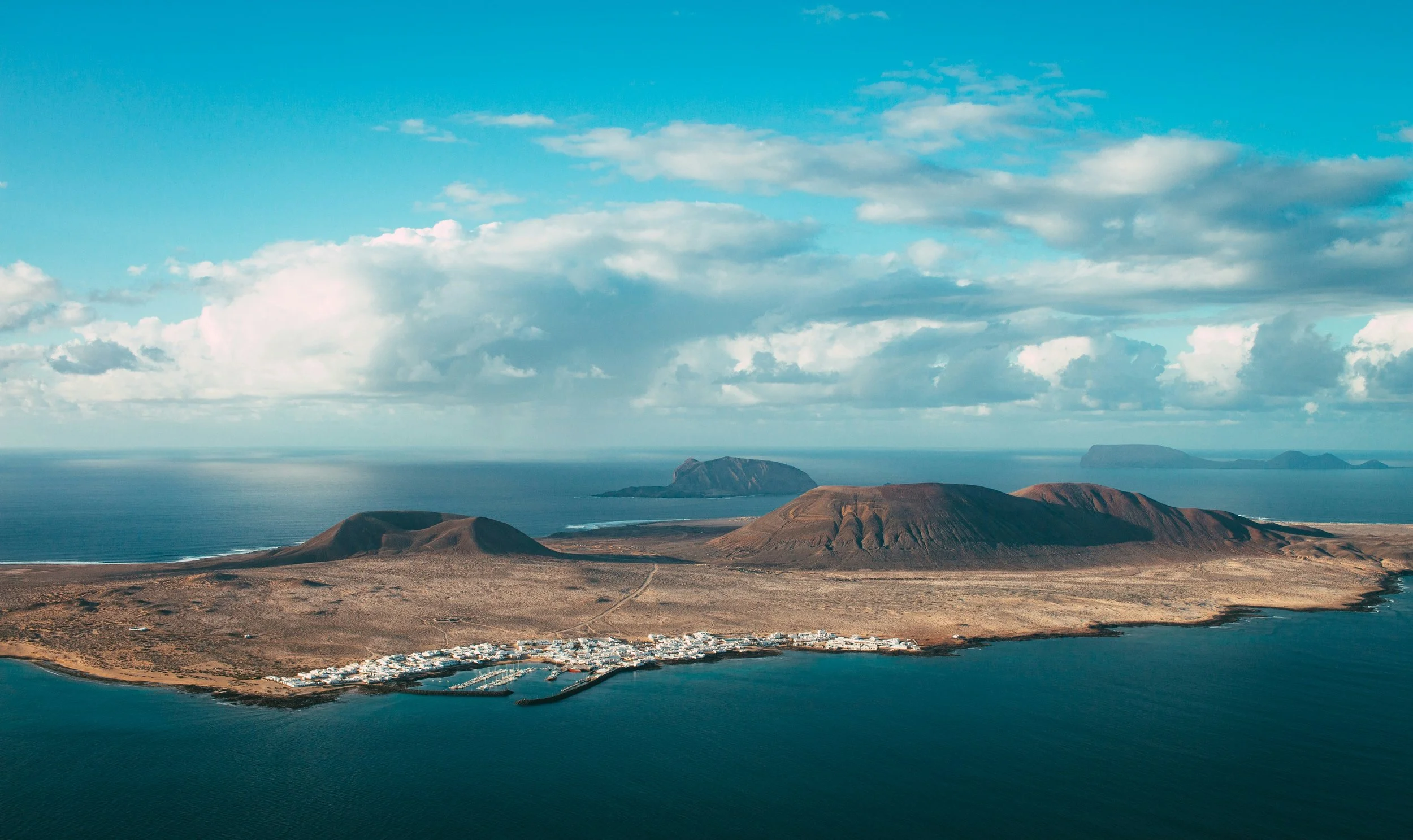
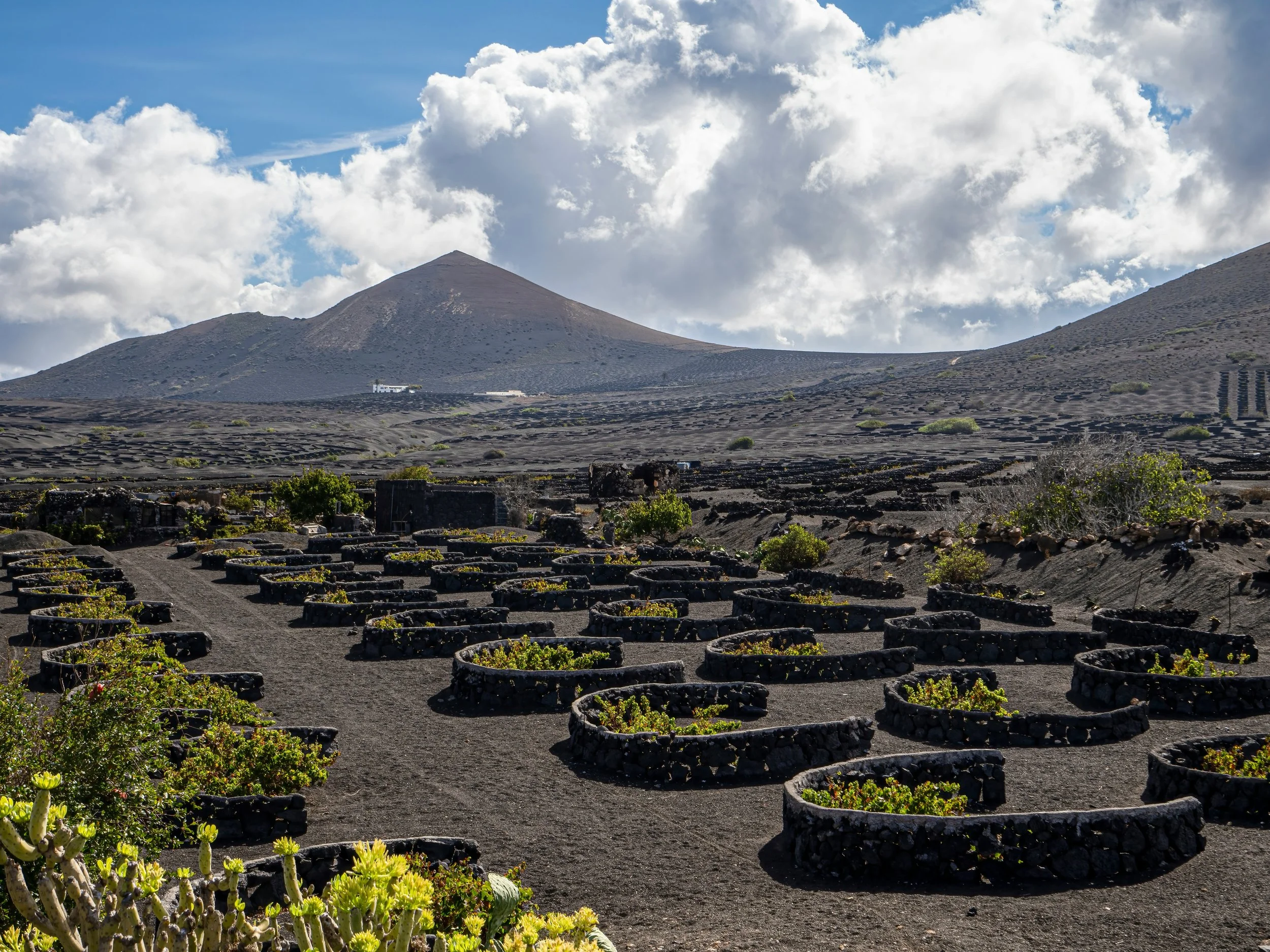
Lanzarote and Tenerife have been growing wine in volcanic soil for centuries, under conditions that exist nowhere else on earth. On Lanzarote, vines are planted in individual craters dug into the black volcanic rock, each one sheltered by a low semicircular wall that protects against the Trade Winds and collects the moisture from the Atlantic air. The resulting landscape looks like it belongs on another planet, and the wines, made primarily from Malvasía Volcánica, taste like nothing produced on conventional terrain.
The Denominación de Origen Lanzarote is one of Spain's most distinctive appellations and one of its least visited by wine tourists, who tend to head for Rioja and Ribera del Duero by default. That is changing, slowly. Bodegas Stratvs and El Grifo (the oldest winery in the Canary Islands, founded in 1775) are the benchmark producers.
Tenerife has its own wine culture, concentrated in the northeast of the island around the Orotava and Tacoronte-Acentejo appellations. The indigenous varieties here include Listán Negro and Negramoll, producing reds with a freshness and acidity that the island's volcanic altitude explains.
Best time to visit: Year-round. The Canary Islands have a consistent climate, which is part of why the wine industry operates differently from mainland Spain.
Who goes: Travelers already visiting the Canary Islands who want more than the beach. Wine enthusiasts interested in volcanic terroir and indigenous variety.
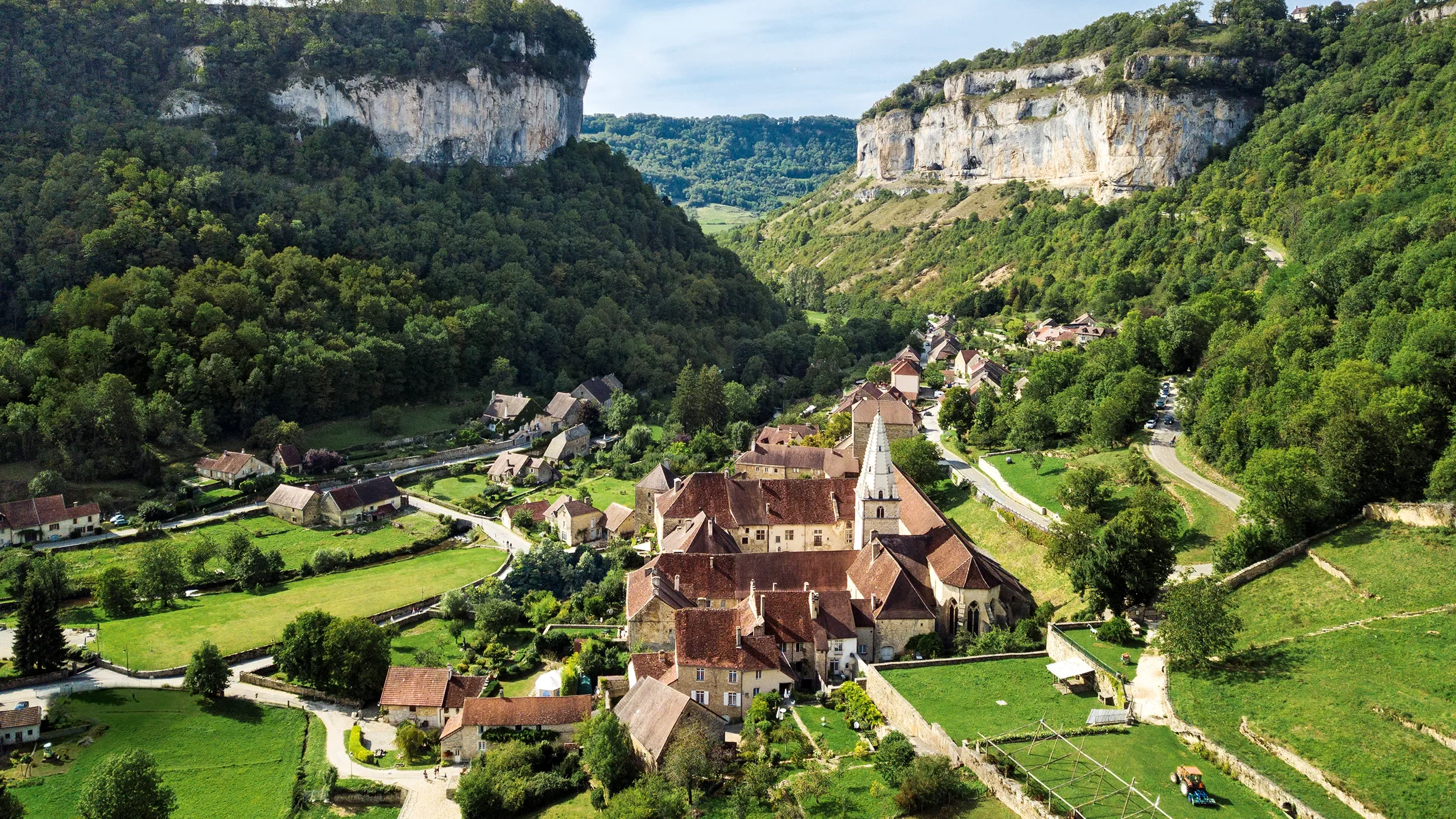
Jura, France
The Jura sits between Burgundy and Switzerland in eastern France and produces wines that have no equivalent anywhere else. The most distinctive are made from Savagnin grapes aged under a film of yeast in partially filled barrels — a process that produces Vin Jaune, a wine with a flavour profile somewhere between dry Sherry and aged white Burgundy, capable of ageing for decades.
Jura also produces Poulsard, a red grape so light in colour it is often mistaken for rosé, and Trousseau, a deeper red with a perfume and structure that has attracted the attention of natural wine producers across the world. The appellation is small (around 2,000 hectares total) and the producers number in the dozens rather than the hundreds. The Ouillée wines (aged topped-up, in the Burgundian style) represent one side of the region; the oxidative Vin Jaune style represents the other.
The town of Arbois is the centre of the region and a good base: small, quiet, with excellent restaurants and a market. The landscape is limestone plateau and valley, with hiking and cycling routes that connect the wine villages. The region has been on the radar of serious wine enthusiasts for about ten years; it has not yet reached the point of crowds.
Best time to visit: September and October for harvest, or May through July for hiking conditions and a less busy cellar door experience.
Who goes: Wine travelers who have covered Burgundy and want to understand its neighbour. Natural wine enthusiasts.
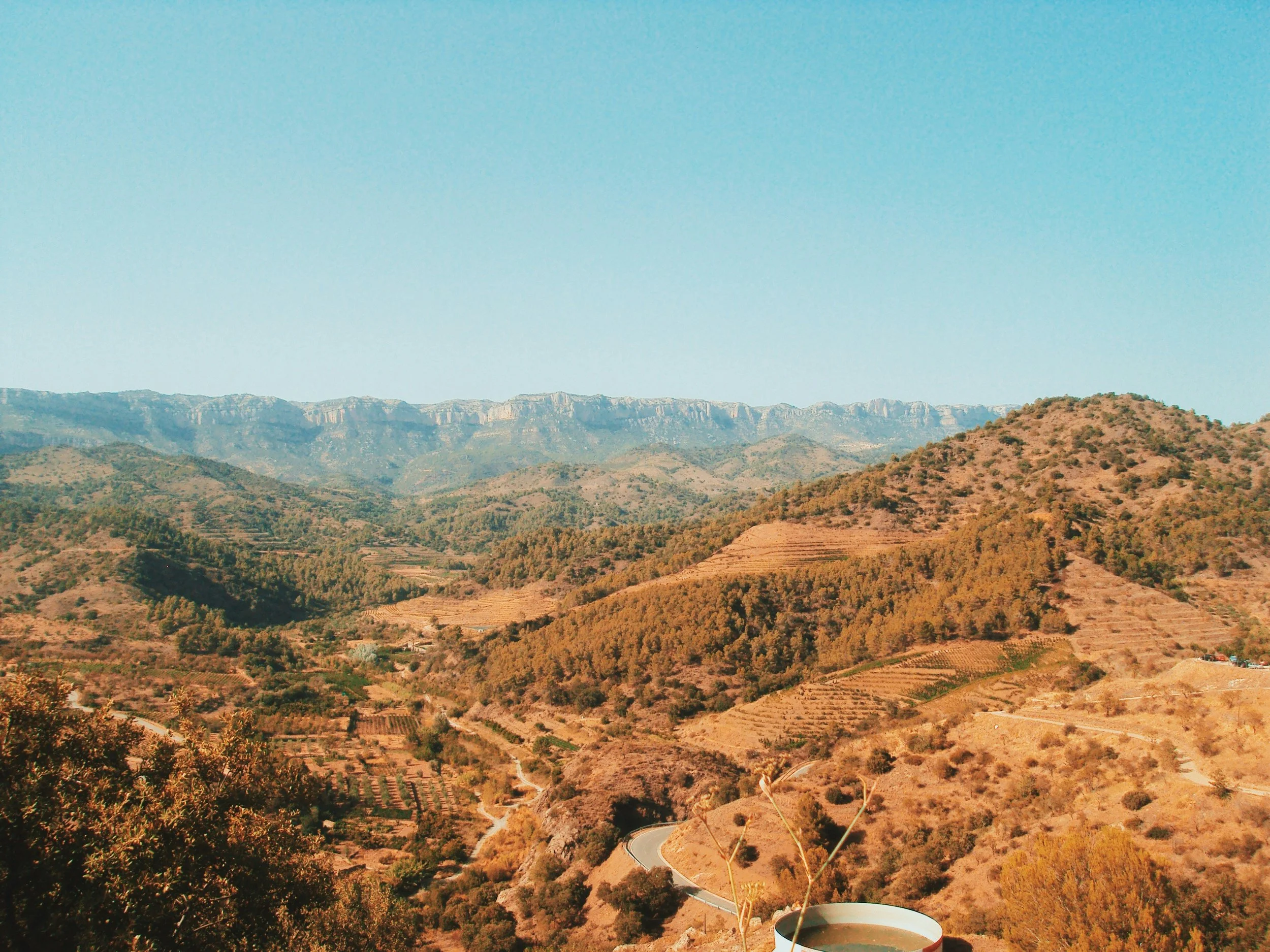
Priorat, Spain
Priorat is one of only two Spanish appellations with the highest classification (DOCa, alongside Rioja), and it produces some of the most concentrated, age-worthy red wines in the world from terraced vineyards on slate and quartz soils (the locals call it llicorella) in one of the most dramatic landscapes in Catalonia.
The appellation sits in a mountainous amphitheatre inland from Tarragona. The old vine Grenache and Carignan grown on these slopes produce wines with an intensity that reflects the difficulty of farming them: yields are tiny, the terrain is almost impossible to mechanise, and the summers are extreme. Álvaro Palacios (whose L'Ermita is one of Spain's most sought-after wines) was central to Priorat's rediscovery in the 1990s alongside a small group of producers who have since become the standard against which the region is judged.
The village of Gratallops is the centre of the winemaking community and a pleasant base. The surrounding villages of Bellmunt del Priorat, Porrera, and Poboleda are all within a short drive and all produce wine worth tasting. Tarragona's Roman archaeology is an hour away. Barcelona is two hours.
Best time to visit: September and October for harvest, or spring for cooler temperatures and the landscapes at their greenest.
Who goes: Red wine enthusiasts with a serious interest in terroir-driven winemaking. Travelers who want to combine wine with Catalan culture and architecture.
A Note on Planning
None of these regions requires a wine expert to enjoy, but all of them reward some preparation. Understanding the grape varieties, the winemaking methods, and the history of the appellation before you arrive makes the cellar door conversations significantly more interesting and makes it considerably easier to know which bottles to bring home.
Several of these regions also combine well with each other. Georgia and Slovenia can anchor a two-week Eastern European trip. Jura sits naturally alongside Burgundy. Priorat makes sense alongside Barcelona and the Costa Daurada. Lanzarote and Tenerife pair easily if you're spending time in the Canary Islands.
The common thread across all of them is this: smaller production, more direct access to the people making the wine, and landscapes that the mainstream wine tourism circuit has not yet fully absorbed. That combination tends to produce the best trips.