
20 Best Hotels for Slow Travel in 2026: Luxury Properties Worth Lingering For
Slow travel isn't just about staying longer. It's about choosing places designed for lingering. Properties, where a week disappears into daily rhythms, like morning coffee with the same view, afternoons exploring without a plan, evenings that stretch into conversations with staff who know your name by day three.
These twenty hotels reward patience. They sit in landscapes that change throughout the day, offer activities worth repeating rather than simply checking off, and create routines you'll actually want to settle into. From Tuscany's rolling hills to Patagonia's granite peaks, each property understands that luxury isn't about rushing to the next destination. It's about having nowhere else you'd rather be.
EUROPE
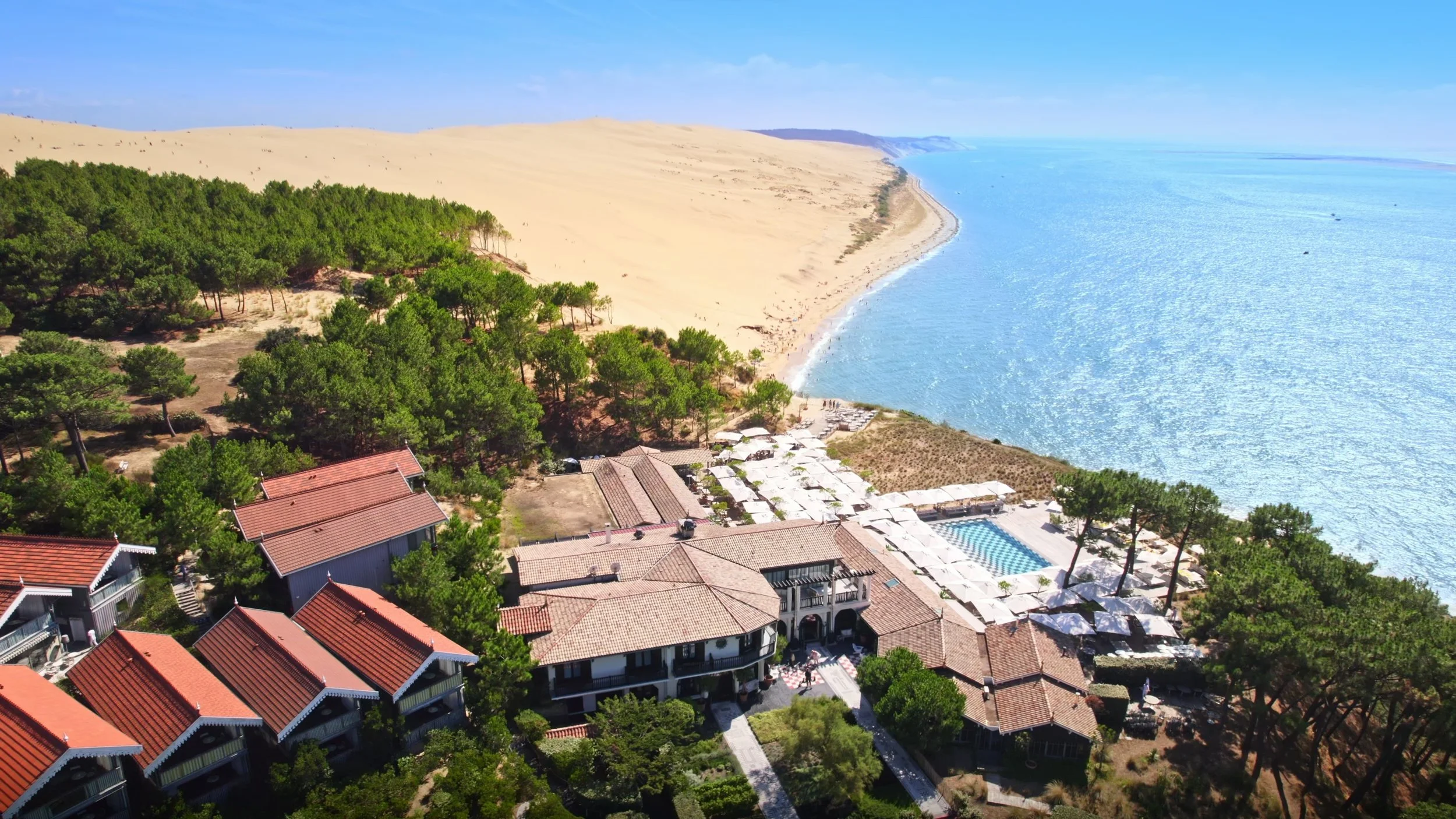
1. La Co(o)rniche: Pyla-sur-Mer, France
Philippe Starck renovated this 1930s neo-Basque hunting lodge in 2010 and positioned it at the foot of the Dune du Pilat, Europe's tallest sand dune, overlooking the Arcachon Basin and the Atlantic. Every room faces the water.
A week here develops a natural structure. Mornings start with the dune at sunrise. Afternoons go to the Arcachon Basin by sailing boat, oyster farms in the surrounding villages, or the Bordeaux wine region, 45 minutes away. The restaurant's seafood comes directly from the basin, oysters harvested that morning, fish from the boats visible from the terrace.
The dune itself becomes something to return to at different times of day. It's 110 metres tall and nearly 3 kilometres long, constantly shifting with Atlantic winds. The sandbanks appear and disappear with the tides. You'll climb it more than once.
Why it works for slow travel: The combination of the ocean, the dune, the basin, and the Bordeaux proximity means there is always something to do and never any urgency to do it.
Address: 46 Avenue Louis Gaume, 33115 Pyla-sur-Mer, France
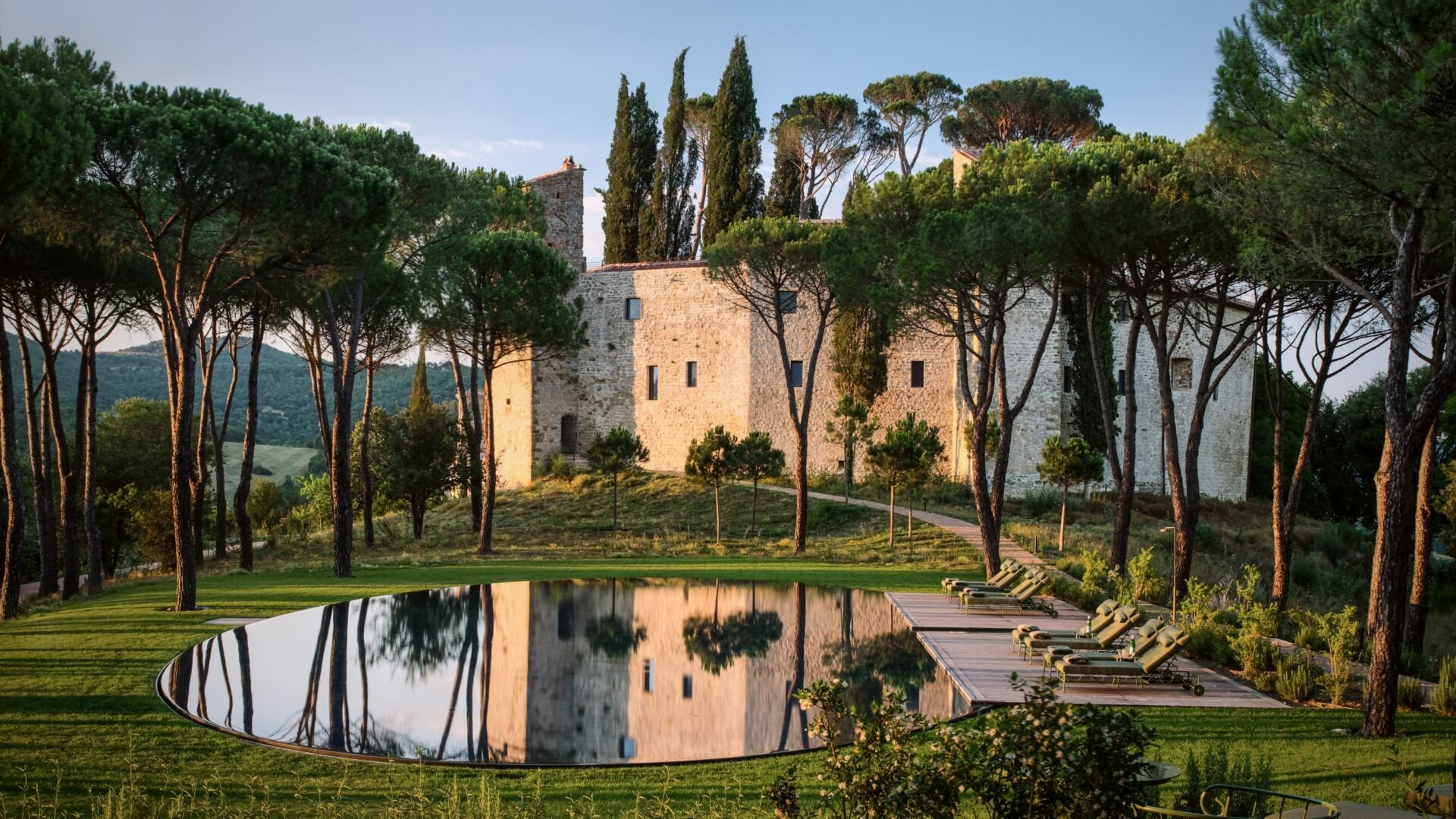
2. Reschio Hotel: Umbria, Italy
Count Benedikt Bolza spent 40 years restoring a 3,700-acre Umbrian estate before opening Reschio as a hotel. The result is 36 rooms across a fortified medieval castle and converted farmhouses, a restaurant serving estate-grown ingredients, and a working farm where shepherds still move flocks through olive groves.
The estate produces its own wine, olive oil, honey, and vegetables and raises Chianina cattle. A week here involves horse riding through the surrounding countryside, truffle hunting in the oak woods, cooking classes using the morning's harvest, and cycling routes that pass no traffic whatsoever.
This is the version of Tuscany/Umbria that the tourism brochures promise and rarely deliver: genuine working countryside, a property that has been here in some form for centuries, and food that came from the land you're looking at.
Why it works for slow travel: The estate is large enough that you won't exhaust it in a week. The surrounding Umbrian hill towns add another layer when you want it.
Address: Reschio Estate, 06030 Lisciano Niccone, Perugia, Italy
EUROPEAN ALPS
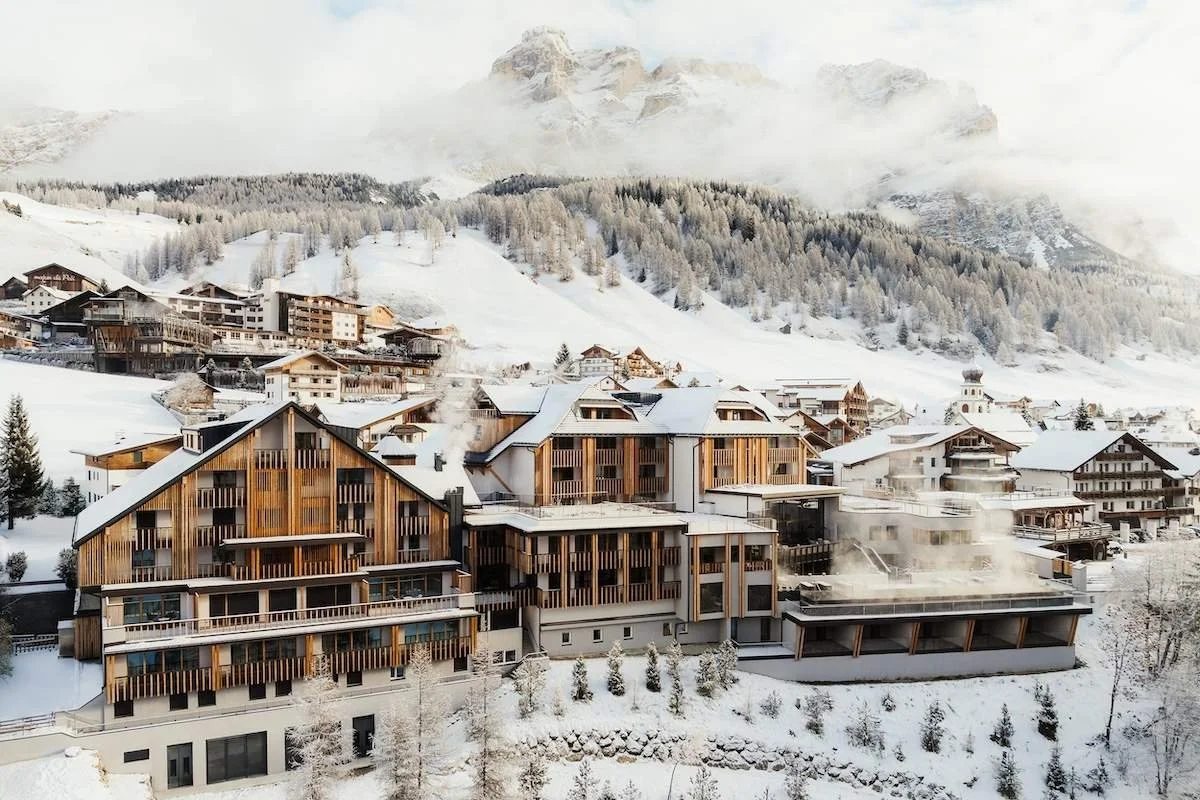
3. Rosa Alpina: Alta Badia, Dolomites, Italy
Rosa Alpina has been in the Pizzinini family for three generations and sits in the village of San Cassiano in the Alta Badia valley, surrounded by Dolomite peaks. The hotel contains St. Hubertus, one of only a handful of three-Michelin-starred restaurants in Italy, which alone would justify a week's stay.
But the Dolomites are the real draw. Alta Badia sits at the centre of a network of hiking and cycling trails that connect the valleys and ridges of the UNESCO-listed landscape. In summer, the Piz Lavarella cable car gives access to high-altitude trails. In winter, the Sellaronda ski circuit passes directly through.
Why it works for slow travel: The combination of exceptional food, mountain access, and a family-run property that feels genuinely hospitable rather than corporate produces the kind of stay that people repeat annually.
Address: Str. Micurà de Rü 20, 39036 San Cassiano, BZ, Italy
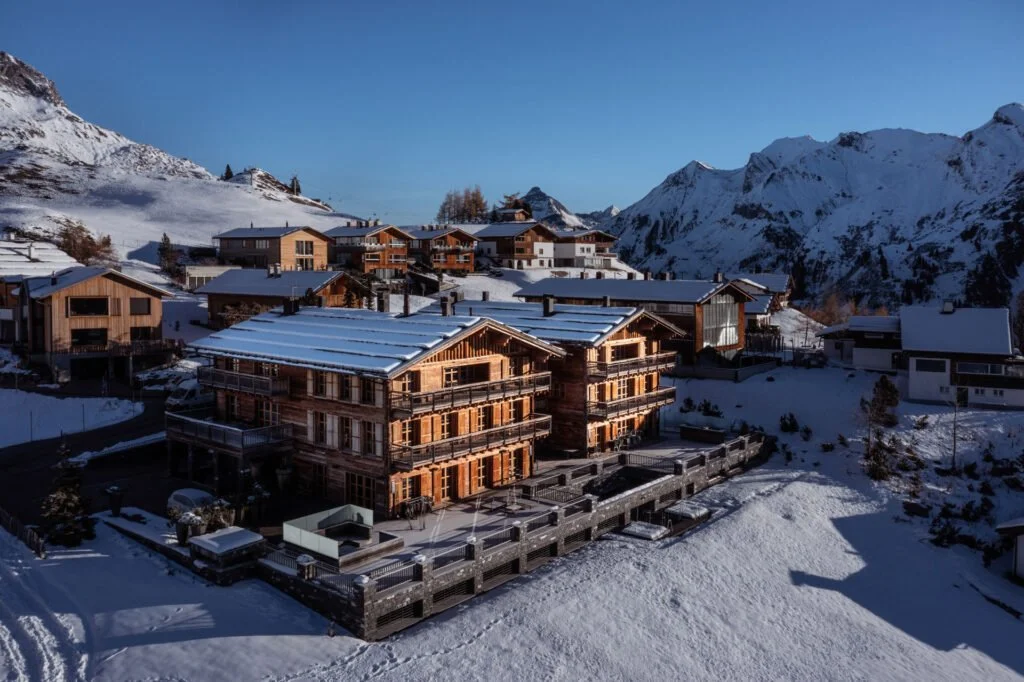
4. Chalet N: Oberlech, Austria
Chalet N is a private chalet in Oberlech, the car-free village above Lech am Arlberg, that sleeps up to 12 guests and comes with a private chef, spa, and ski-in/ski-out access to one of Austria's best ski areas. In summer, the same slopes become hiking terrain above the treeline.
The Austrian Alpine village of Lech has been one of Europe's quieter luxury destinations for decades, favoured for its limited visitor numbers, reliable snow, and the quality of its restaurants and infrastructure. Staying in Oberlech, above the main village, adds another layer of remove.
Why it works for slow travel: A private chalet, by definition, creates your own schedule. Add mountain access and a private chef, and there is no practical reason to leave.
Address: Oberlech 274, 6764 Lech am Arlberg, Austria
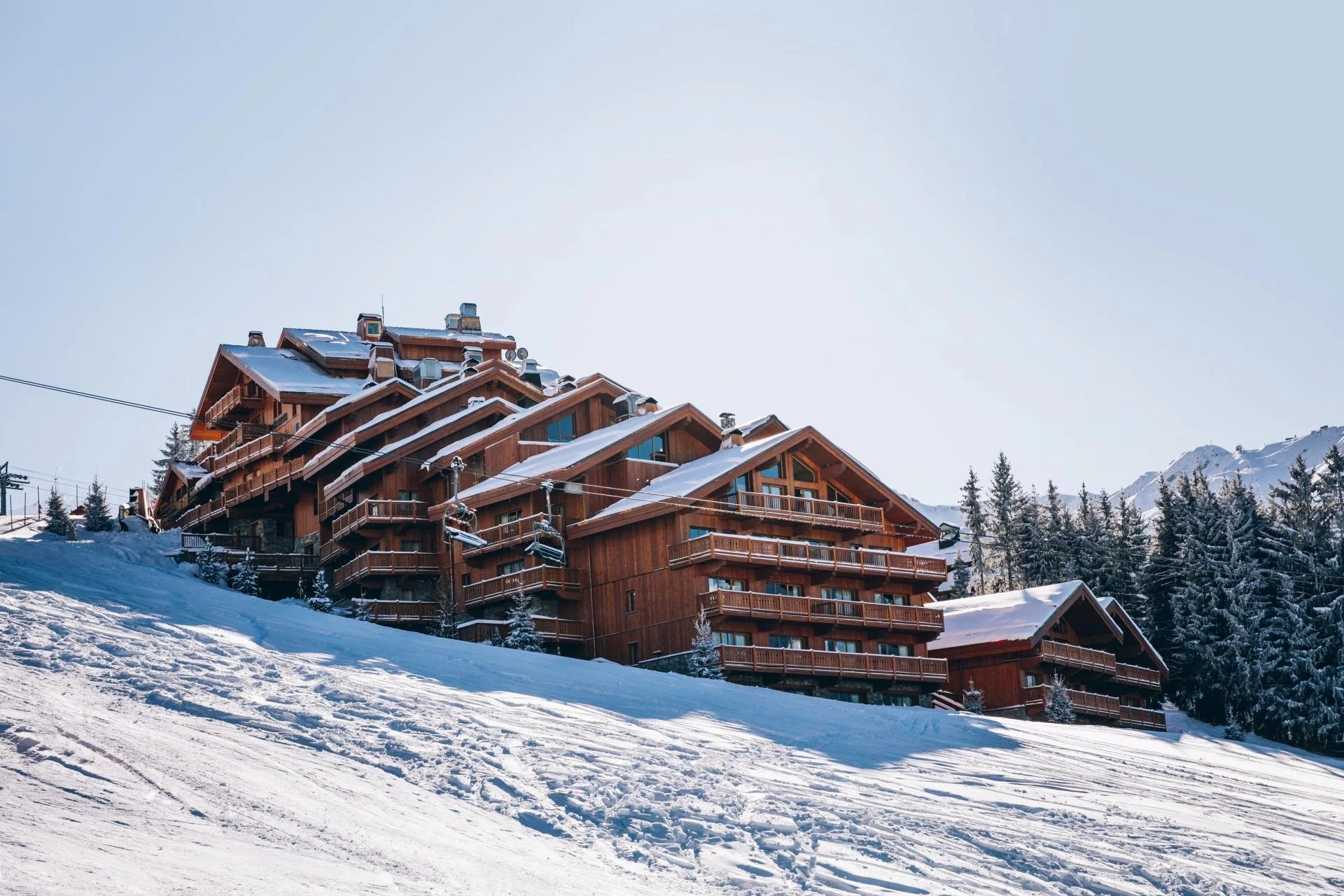
5. Le Coucou: Méribel, France
Le Coucou opened in the 3 Valleys ski area above Méribel and immediately set a new standard for mountain accommodation in France. The interiors reference 1960s Alpine style without tipping into kitsch. The restaurant is excellent. The spa is extensive.
The 3 Valleys is the largest connected ski area in the world, with over 600 kilometres of pisted runs across Courchevel, Méribel, and Val Thorens. A week in Le Coucou barely scratches it. In summer, the same lifts access mountain biking trails and walking routes through wildflower meadows.
Why it works for slow travel: The scale of the ski area means a week produces a different day every day. The quality of the hotel makes not skiing equally appealing.
Address: Route de l'Altiport, 73550 Méribel, France
AFRICA
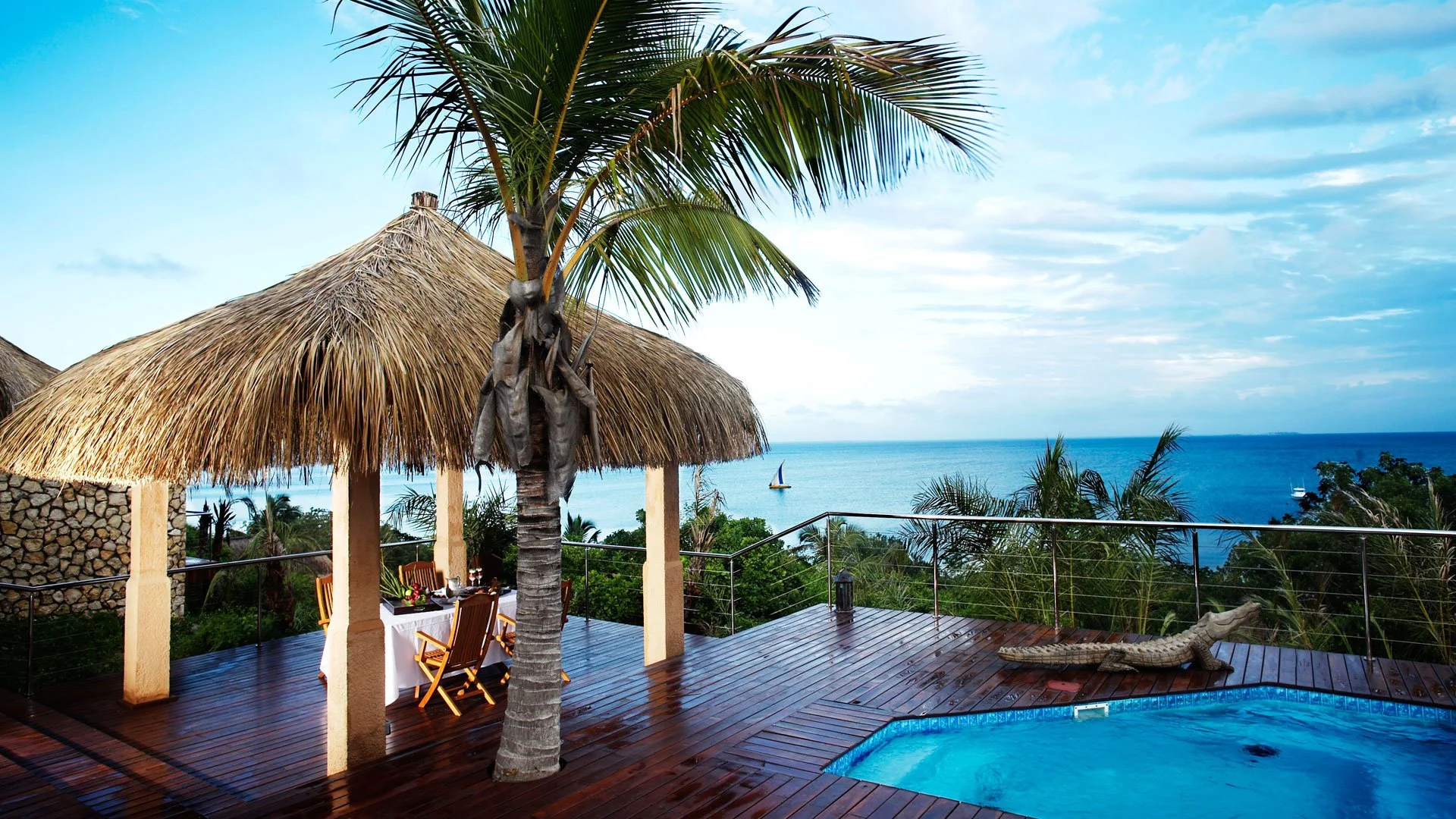
6. Anantara Bazaruto Island Resort: Mozambique
Bazaruto Archipelago sits off the coast of Mozambique in the Indian Ocean and is one of the last protected marine areas in East Africa. Anantara's resort occupies the largest island, with beach villas and overwater suites, a house reef, and access to the dugong population that is one of the largest remaining in the world.
A week here is organized around the water: snorkelling the reef in the morning, taking the traditional dhow to uninhabited sand islands in the afternoon, fishing for sport or for dinner. The island has no through-traffic. The only arrivals are guests and supply boats.
Why it works for slow travel: Island time operates differently from anywhere else. Within 48 hours, the pace recalibrates entirely.
Address: Bazaruto Island, Inhambane Province, Mozambique
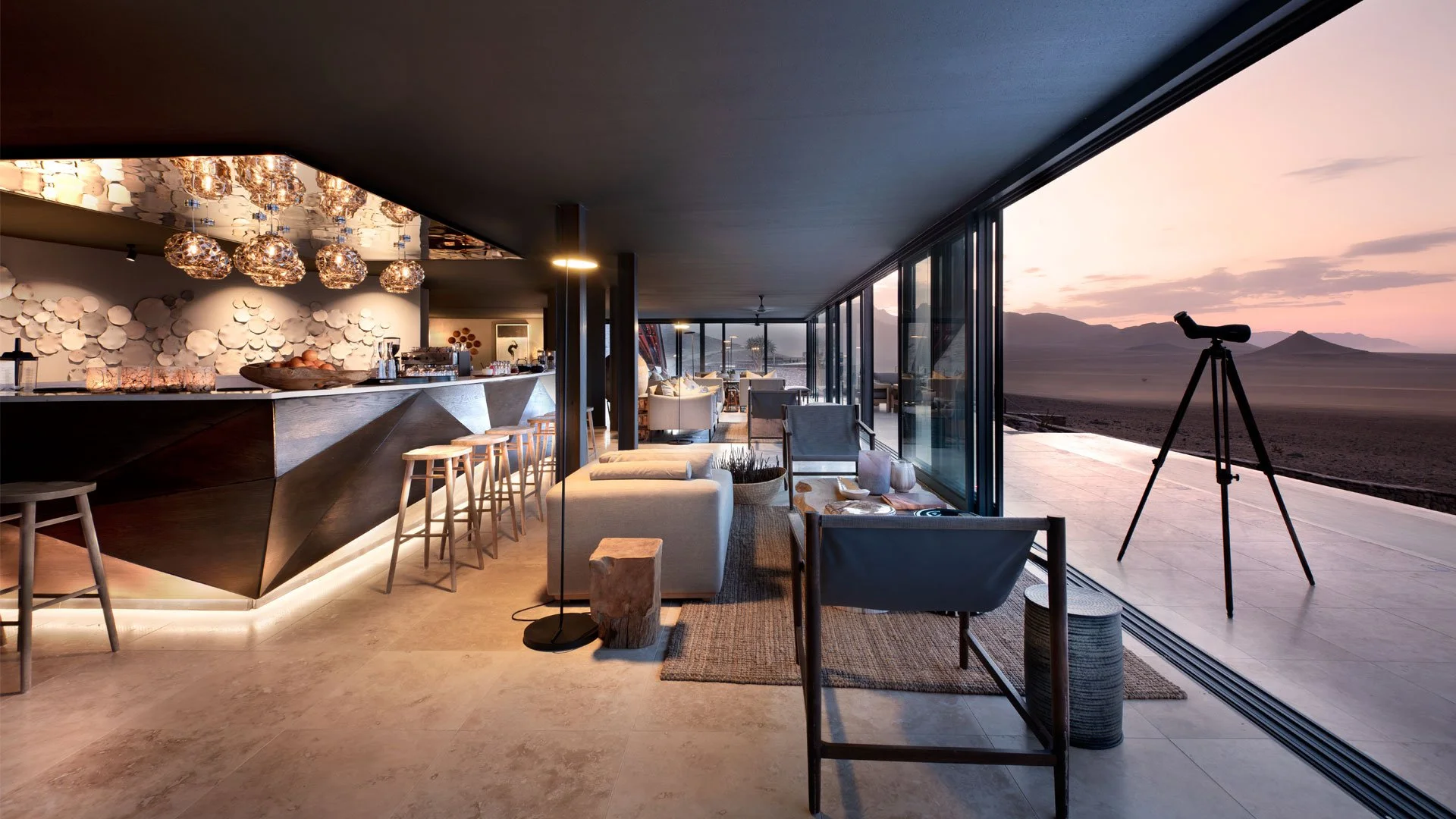
7. andBeyond Sossusvlei Desert Lodge: Namibia
The Namib-Naukluft National Park contains the oldest desert in the world and some of the tallest dunes on earth. andBeyond's lodge gives guests exclusive access to the park at times when it is closed to day visitors — meaning dawn and dusk in Sossusvlei, which is when the light makes the orange dunes and white clay pans look genuinely unreasonable.
A week here includes guided walks, night drives under some of the darkest skies in the southern hemisphere, scenic flights over the dune sea, and the particular experience of watching Dead Vlei, the ancient dried lake bed ringed by 900-year-old camel thorn trees, at different times of day.
Why it works for slow travel: The desert is not a place that reveals itself quickly. The same landscape looks completely different at different times of day and in different light conditions.
Address: Sossusvlei Desert Lodge, NamibRand Nature Reserve, Maltahöhe, Namibia
MONGOLIA & CENTRAL ASIA
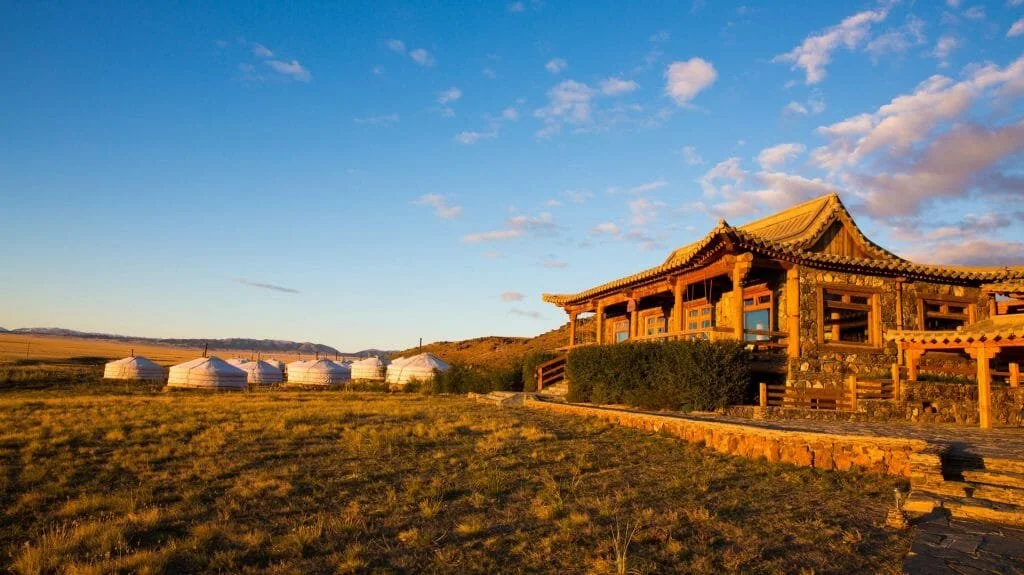
8. Three Camel Lodge: Gobi Desert, Mongolia
The Gobi Desert is the fifth-largest desert in the world and one of the least visited. Three Camel Lodge sits on the edge of the Gobi-Gurvan Saikhan National Park in traditional Mongolian ger (yurt) structures that have been upgraded to a level of comfort that allows extended stays without compromise.
A week here involves camel trekking across sand dunes, searching for dinosaur fossils in the Flaming Cliffs (where the first dinosaur eggs were discovered in the 1920s), watching nomadic families go about their daily lives, and navigating landscapes where the nearest town is hours away. The silence is complete.
Why it works for slow travel: Mongolia requires time to decompress into. The first day feels disorienting. By day three, the scale and quiet start to make everything else feel noisy.
Address: Bulgan Sum, Umnugovi Province, Mongolia
ASIA & THE PACIFIC
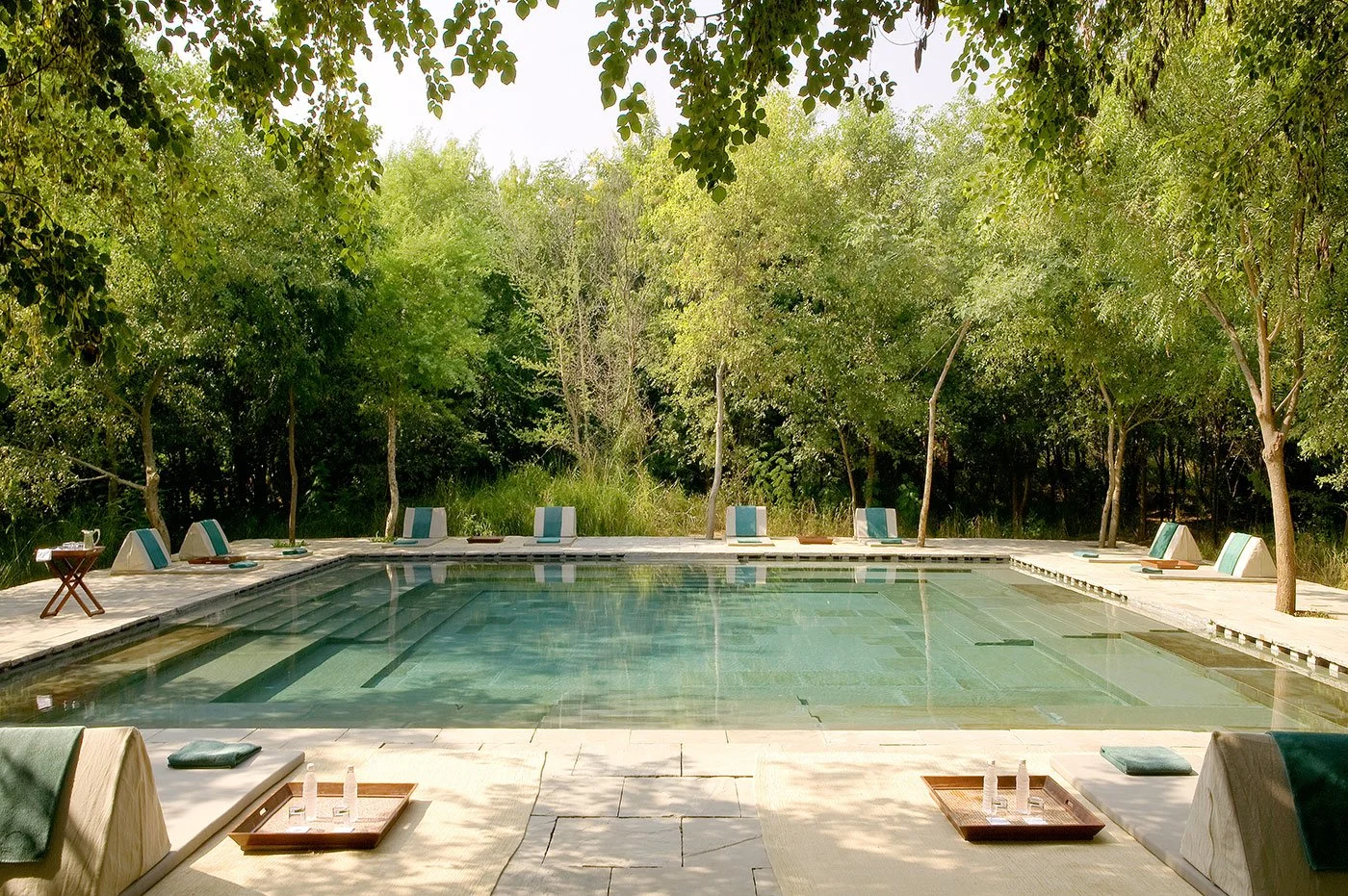
9. Aman-i-Khás: Rajasthan, India
Aman-i-Khás operates a camp of ten tented pavilions on the edge of Ranthambore National Park, one of India's best tiger reserves. The tents are large, climate-controlled, and furnished in a Mughal-influenced style that manages to feel simultaneously luxurious and genuinely connected to the landscape.
A week here divides between morning and evening game drives in the park and the rich cultural landscape of Rajasthan beyond the reserve. Ranthambore Fort, a UNESCO World Heritage site, rises above the park. The nearby town of Sawai Madhopur provides access to local markets, temples, and village life.
Why it works for slow travel: Ranthambore requires multiple visits across different times of day to understand. The park's 10 zones open on rotation, meaning each drive is to a different part of the reserve.
Address: Sherpur-Khiljipur, Ranthambore Road, Sawai Madhopur, Rajasthan 322001, India
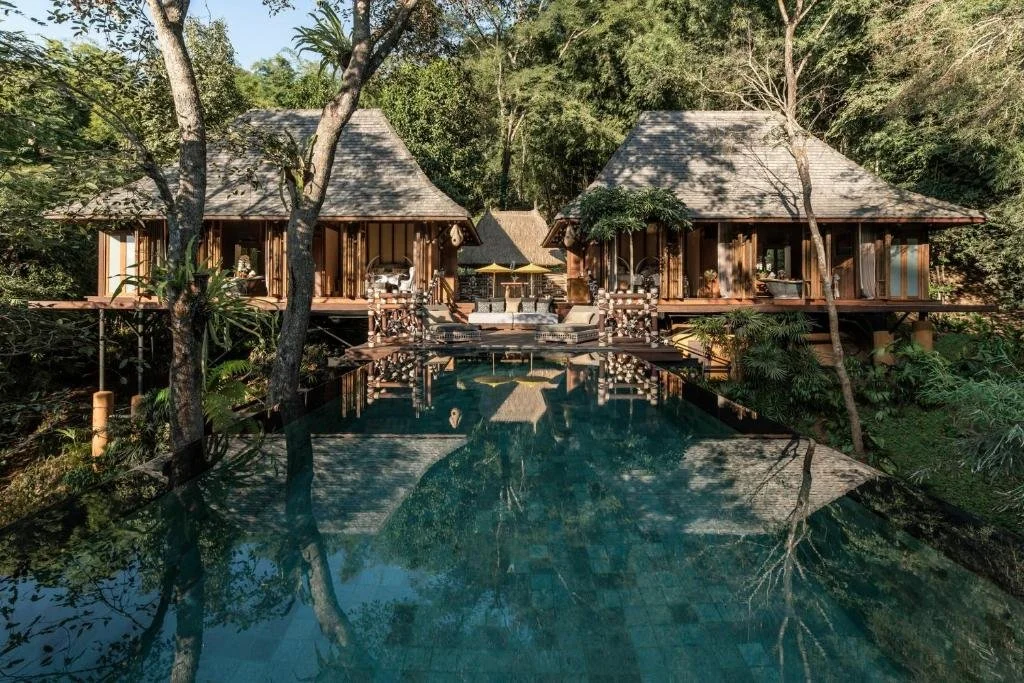
10. Four Seasons Tented Camp Golden Triangle: Thailand
At the point where Thailand, Laos, and Myanmar meet, the Four Seasons Tented Camp occupies a hillside above the Ruak River with views across three countries simultaneously. The 15 tents (elevated on stilts, with private sun decks and outdoor showers!) are the most luxurious accommodation in one of Southeast Asia's most historically complex corners.
The camp's elephant sanctuary is the centrepiece. Guests work alongside mahouts (elephant caretakers) to feed, bathe, and observe the resident herd, all rescued from logging or street work. The cultural programme covers Golden Triangle history, Burmese cooking, and river excursions into Laos.
Why it works for slow travel: The combination of the elephants, the river, the multi-country views, and the cultural depth means there is a different day available every day of the week.
Address: 212 Moo 1, Chiang Saen, Chiang Rai 57150, Thailand
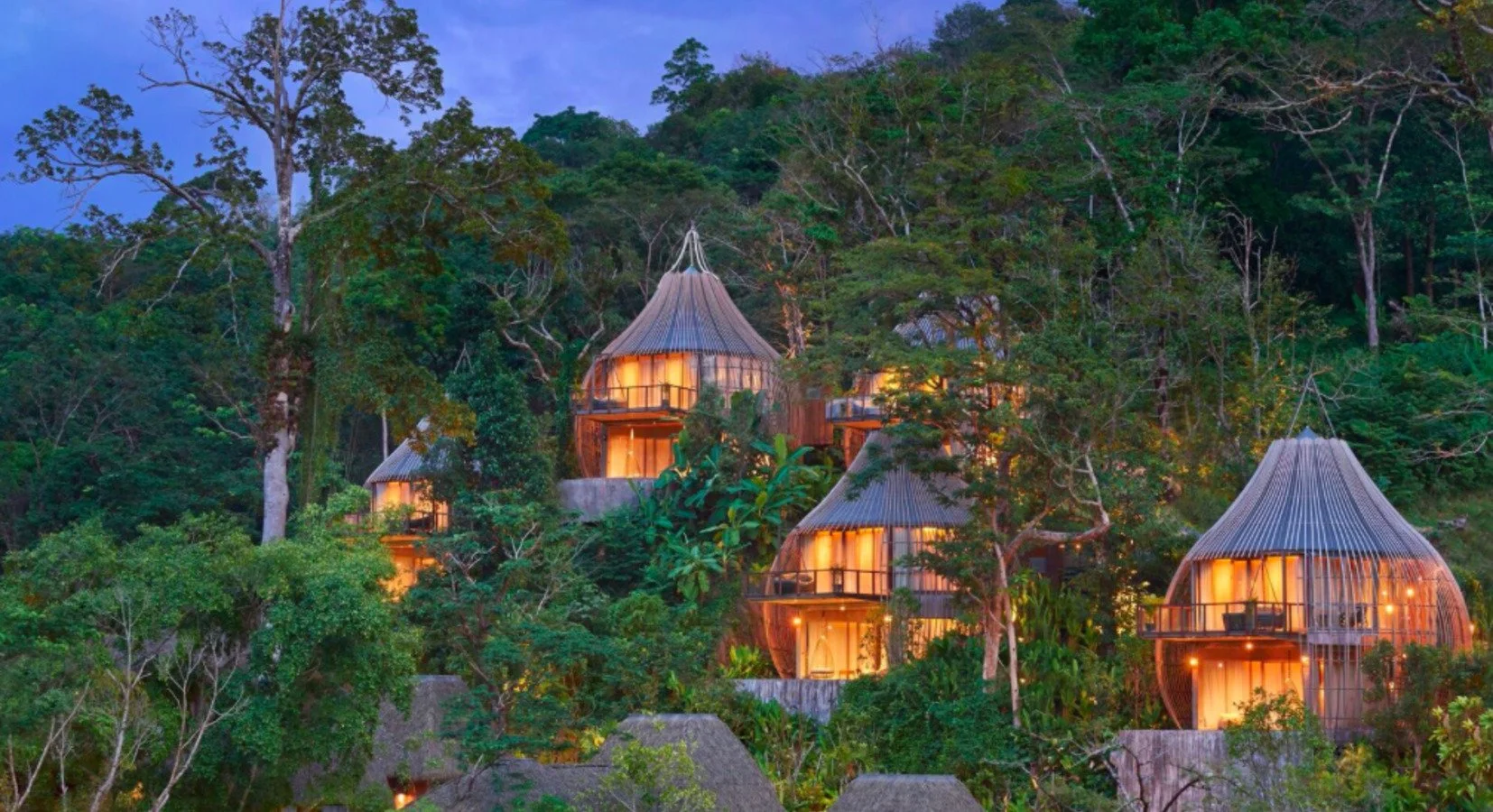
11. Keemala: Phuket, Thailand
Keemala sits in the hills above Kamala Beach on Phuket's west coast in a collection of pool villas designed around four fictional Thai tribes, each with its own architectural language. The Tent Pool Villas are suspended above the jungle. The Clay Pool Cottages are built into the hillside. The Bird's Nest Pool Villas sit at treetop level.
A week here is spa-centred, which the property is designed for. The Mala Spa offers traditional Thai treatments, Ayurvedic programmes, and multi-day wellness retreats. The infinity pool looks across the jungle canopy to the Andaman Sea. Cooking classes, meditation sessions, and access to Kamala Beach supplement the time at the property.
Why it works for slow travel: The architecture and the privacy create a contained world that makes leaving feel unnecessary.
Address: 10/88 Moo 6, Nakasud Road, Kamala, Kathu, Phuket 83150, Thailand
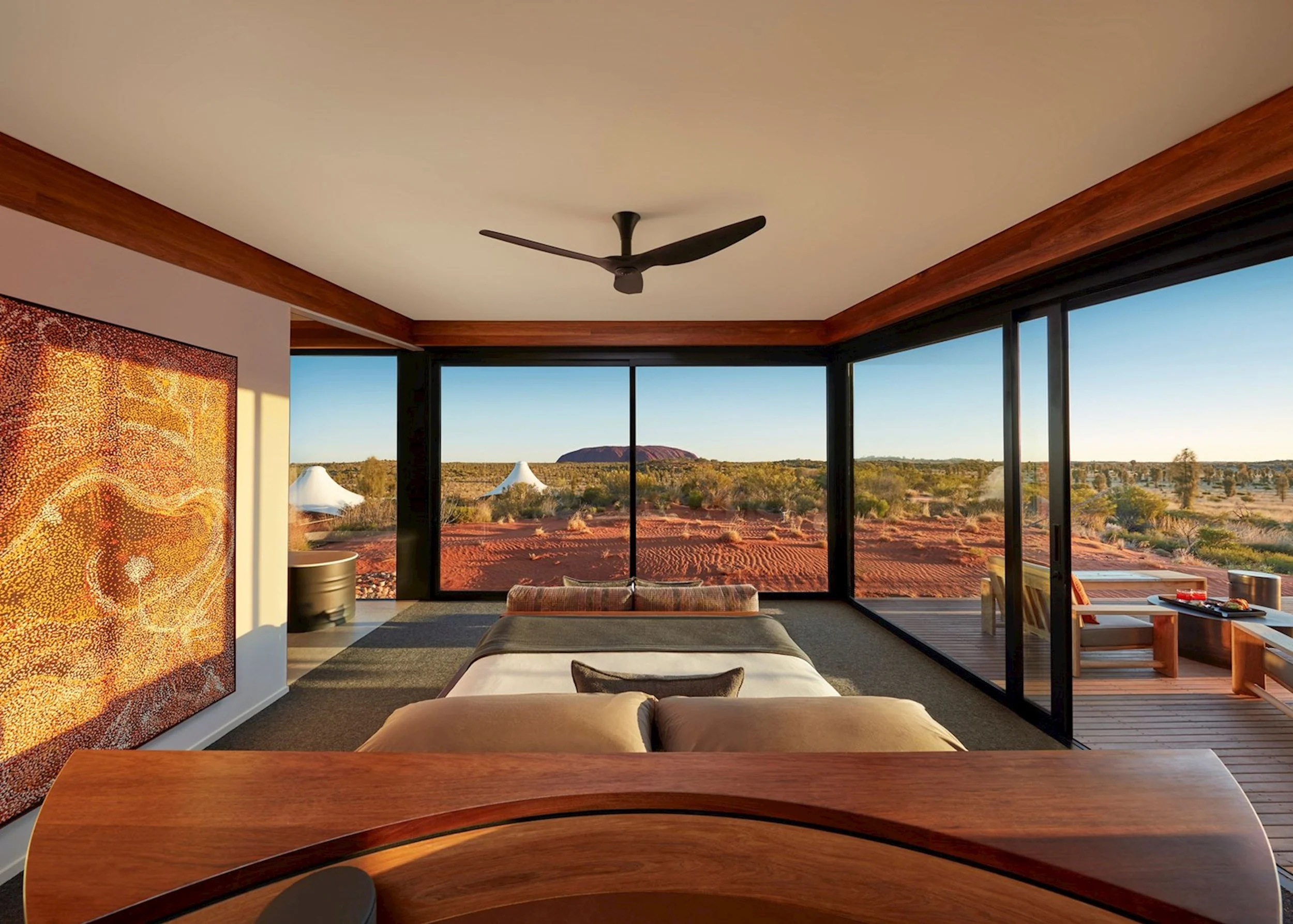
12. Longitude 131°: Uluru, Australia
Longitude 131° is the most luxurious way to experience Uluru, the sandstone monolith at the centre of Australia that the Anangu people have inhabited for at least 10,000 years. The 15 tented pavilions face the rock directly, meaning you can watch it change colour through dawn and dusk without leaving bed.
A week here allows time with Anangu guides who share the Tjukurpa, the creation stories and law that the rock encodes, alongside stargazing under outback skies, helicopter flights over the surrounding country, and access to Kata Tjuta (the Olgas) at times of day when other visitors aren't there.
Why it works for slow travel: Uluru is one of those places that reveals itself slowly. The rock looks entirely different at different times of day, in different weather, and from different distances. A week spent paying attention to it produces something that a day visit cannot.
Address: Yulara Drive, Yulara NT 0872, Australia
NORTH AMERICA
13. Post Ranch Inn: Big Sur, California
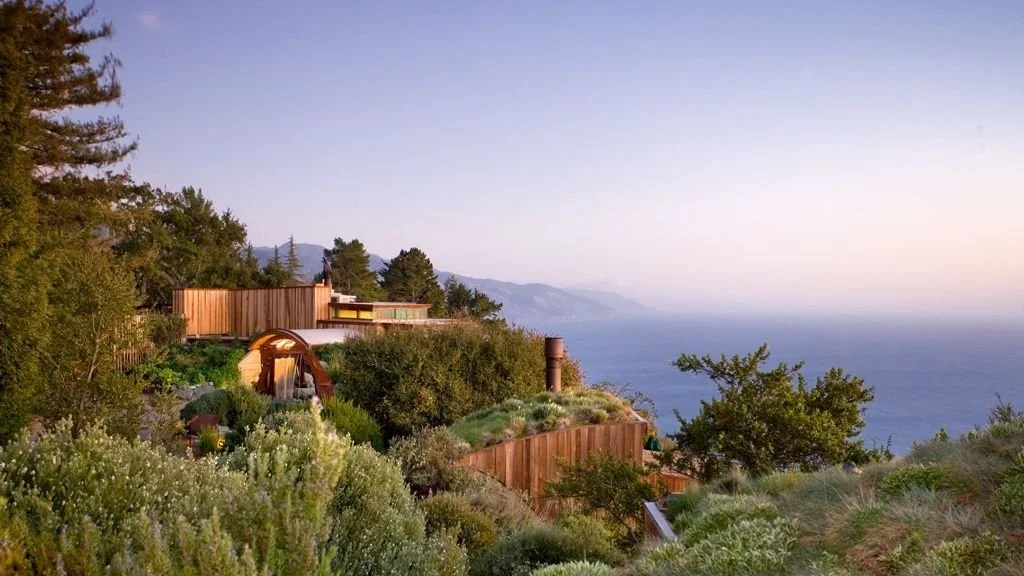
Post Ranch Inn sits on a clifftop above the Pacific in Big Sur, one of the most dramatic stretches of coast in North America. The 39 rooms are built into the hillside and treeline to minimize visual impact — some of them hover above the canyon on stilts, others are earth-covered structures that look from above like the hill itself.
A week here is structured around the Pacific. Morning yoga on the cliff edge. Guided hikes through the Ventana Wilderness behind the property. The heated pool that appears to extend directly into the ocean view. The Henry Miller Library down the road. Afternoon light on the water from the clifftop. The Big Sur coast changes completely with the fog and light conditions, and it changes daily.
Why it works for slow travel: Big Sur has no cell signal and limited wifi by design. The removal of external noise is part of the offering.
Address: 47900 CA-1, Big Sur, CA 93920, USA
14. Dunton Hot Springs: Colorado, USA
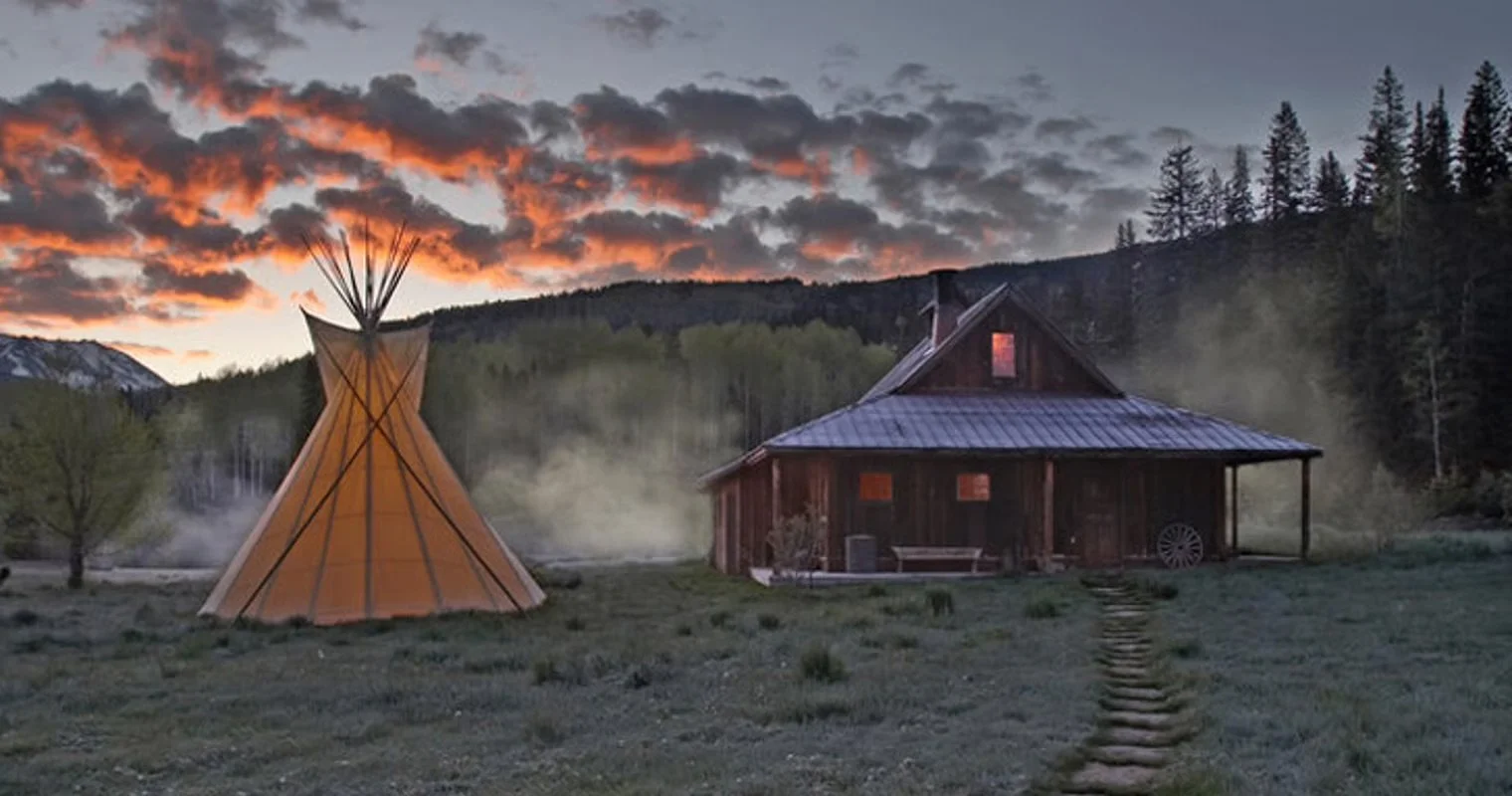
Dunton Hot Springs is a restored ghost town, a cluster of authentic 19th-century log cabins from an 1800s mining settlement, converted into a private resort of 12 cabins set on the West Fork of the Dolores River in the San Juan Mountains of Colorado.
The property sits at 8,600 feet. The outdoor hot springs feed directly from a geothermal source. The surrounding Weminuche Wilderness offers hiking, horseback riding, and fly fishing. In winter, the property operates as a private ski retreat with access to heli-skiing above the valley.
Why it works for slow travel: The combination of genuine historical character, thermal waters, and wilderness access creates a destination that is compelling in all four seasons and rewards time spent understanding both the landscape and the history.
Address: 52068 West Fork Road 38, Dolores, CO 81323, USA
15. Clayoquot Wilderness Resort: British Columbia, Canada
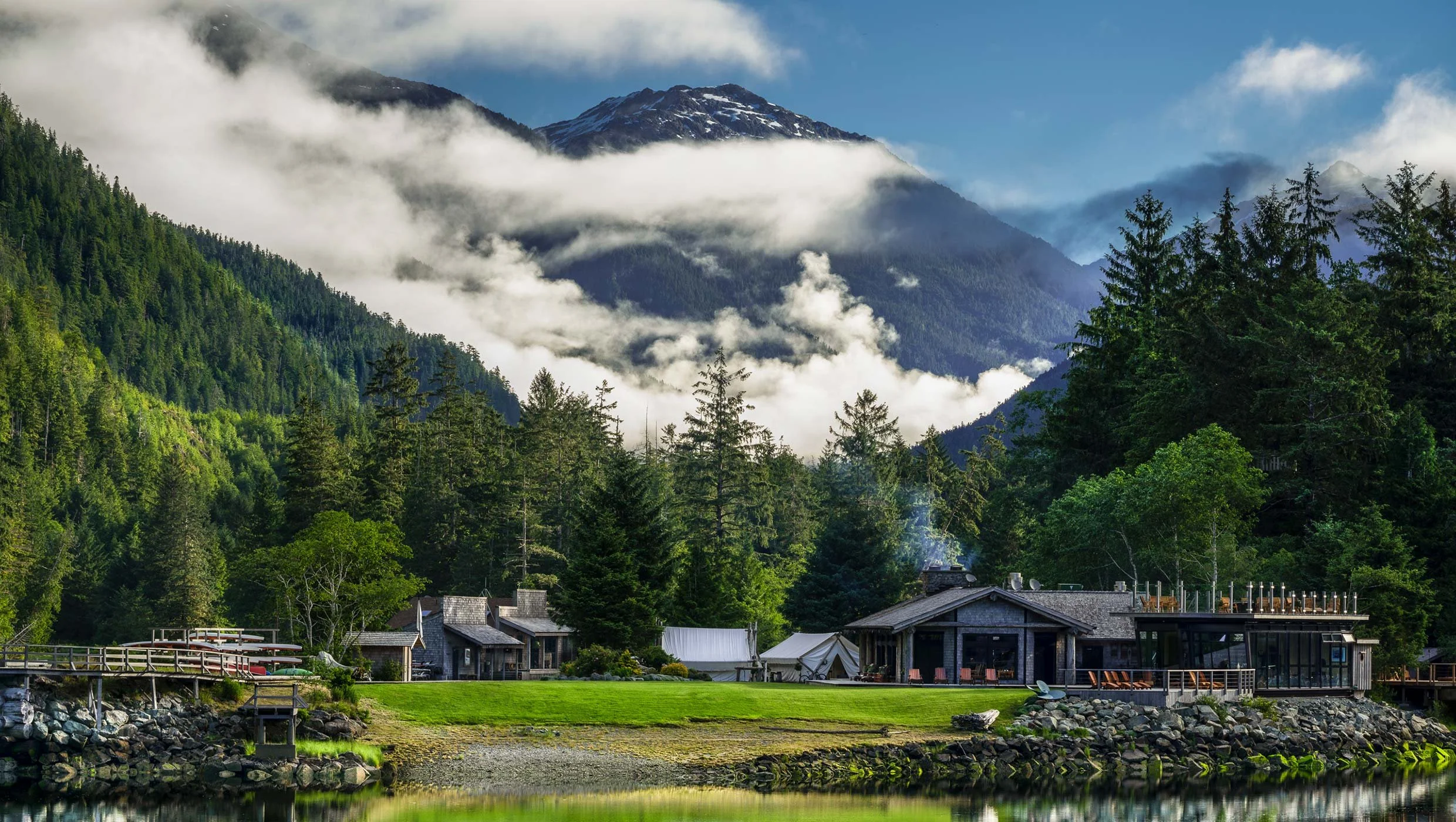
Clayoquot Sound is a UNESCO Biosphere Reserve on the west coast of Vancouver Island, old growth temperate rainforest meeting the Pacific, with no road access to the wilderness lodge that sits at its heart. Arrival is by floatplane or boat.
The resort operates as a luxury tented camp with 25 prospector tents. Activities include surfing, kayaking, fishing, whale watching, bear watching, and guided hikes through forest that has been growing continuously for over 1,000 years.
Why it works for slow travel: Inaccessibility creates the conditions for genuine disconnection. Without the option of leaving easily, the landscape demands your attention.
Address: Bedwell River, Clayoquot Sound, BC V9R 5K2, Canada
MEXICO & CENTRAL AMERICA
16. Cuixmala: Jalisco, Mexico
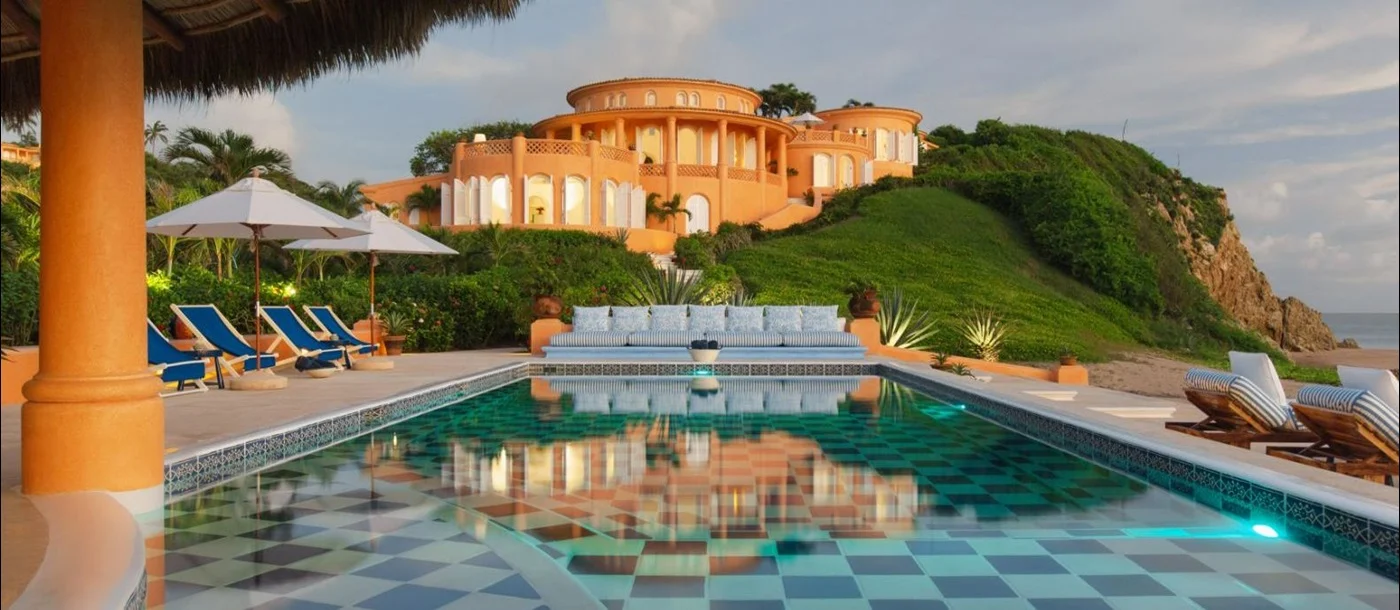
Cuixmala was built by billionaire James Goldsmith on Mexico's Costalegre, a stretch of Pacific coast that has been largely protected from development. The estate covers 25,000 acres of tropical forest, beach, and lagoon, with a main house and a collection of Moorish-influenced villas spread across the property.
The scale of the estate is the point. Turtles nest on the beach. The lagoon has crocodiles. The jungle produces the fruit and vegetables served at dinner. Activities include horseback riding through forest, kayaking the lagoon, surfing the beach breaks, or doing very little in an outdoor hammock while listening to howler monkeys.
Why it works for slow travel: The property is remote enough that leaving requires effort and intention. Most guests stop thinking about leaving after day two.
Address: Carretera Barra de Navidad km 46, 48854 Jalisco, Mexico
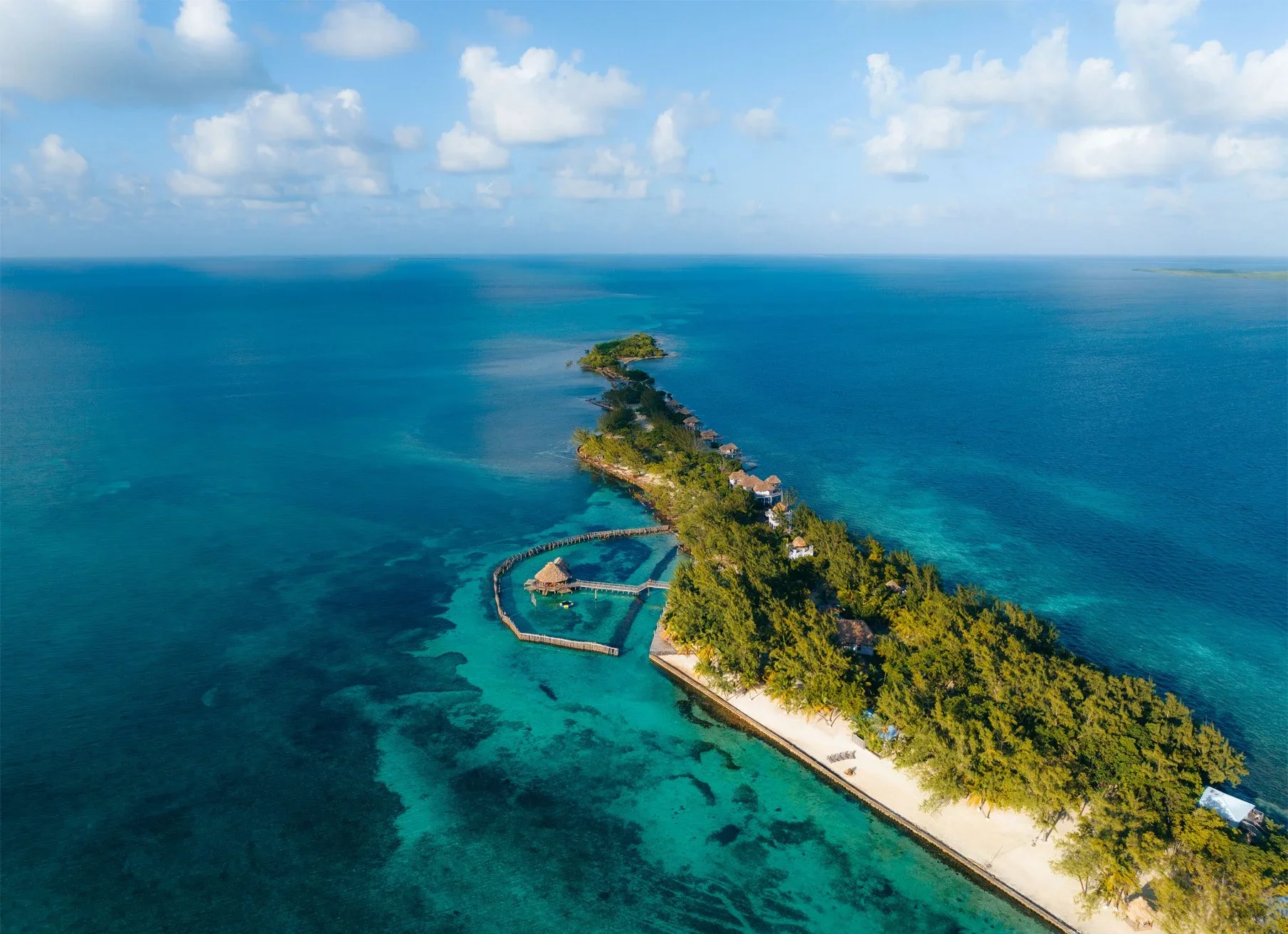
17. Thatch Caye: Belize
Thatch Caye is a private island resort on the Belize Barrier Reef, one of the largest barrier reefs in the world, offering overwater bungalows, beach huts, and direct access to some of the best diving in the Caribbean. The island is small enough to walk around in 10 minutes, which focuses the experience entirely on the water.
A week here organizes itself naturally: dive in the morning, snorkel in the afternoon, fish from the dock at sunset. The Blue Hole is a two-hour boat trip. The Mesoamerican Barrier Reef drops off directly from the island's eastern edge.
Why it works for slow travel: There is genuinely nowhere to rush. The reef operates on its own schedule, and you adjust to it rather than the other way around.
Address: Private Island, Dangriga, Stann Creek District, Belize
SOUTH AMERICA

18. Explora Torres del Paine: Patagonia, Chile
Explora's lodge in Torres del Paine sits inside one of the most spectacular national parks on earth, with direct access to trails that range from half-day walks to multi-day circuits. The all-inclusive model (accommodation, food, guiding, and excursions) removes all decisions except which direction to hike.
The Paine Massif changes appearance throughout the day and across different weather systems. Wind and cloud are constants. What Torres del Paine looks like at 7am is entirely different from what it looks like at 6pm, which is part of why people stay for a week and still don't feel like they've seen enough.
Why it works for slow travel: The landscape requires time to absorb, the all-inclusive structure removes logistics, and the guides know trails that a self-directed visitor would never find.
Address: Salto Chico s/n, Torres del Paine National Park, Magallanes Region, Chile
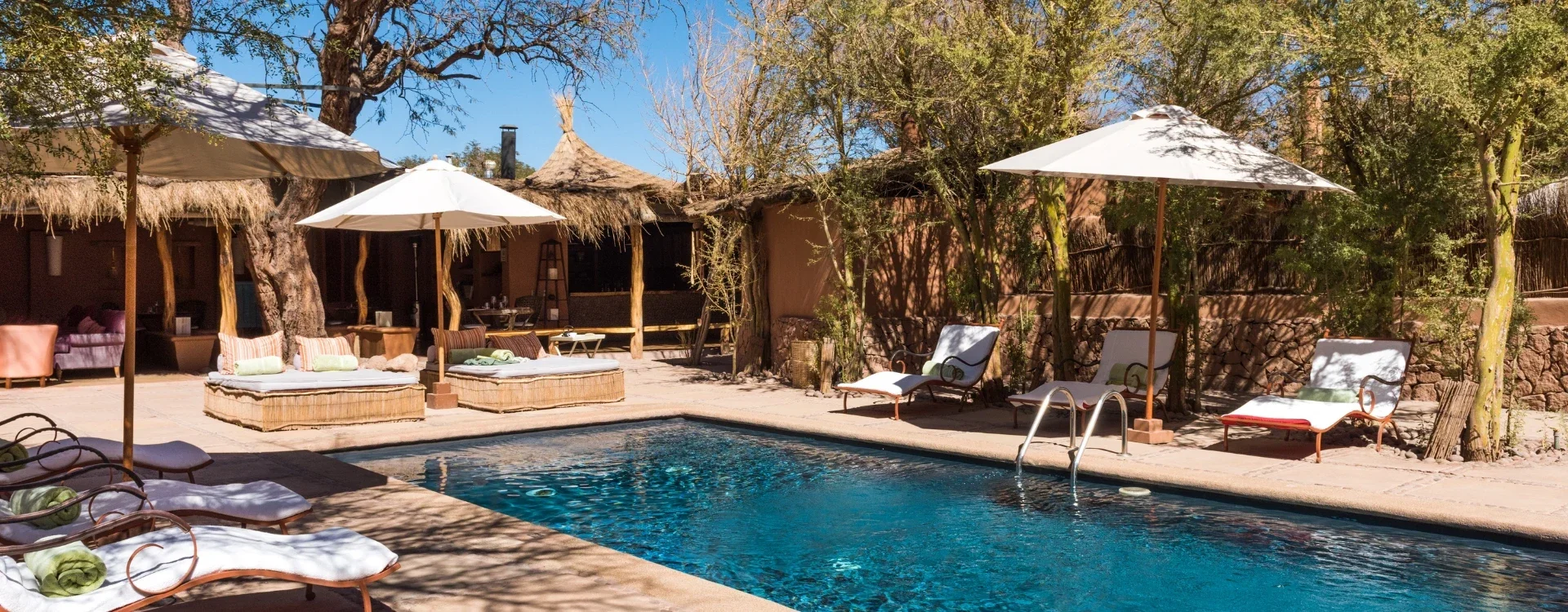
19. Awasi Atacama: San Pedro de Atacama, Chile
The Atacama is the driest non-polar desert on Earth. The landscape around San Pedro de Atacama is unlike anywhere else in the world, and it takes time to understand the range.
Awasi operates a cluster of private villas, each with its own vehicle and private guide, meaning the itinerary is entirely personal. No group schedules, no shared transfers. You decide when to visit the geysers and what pace to take through the Valle de la Luna.
Why it works for slow travel: The private guide and vehicle model remove every logistical obstacle. The landscape is so varied that a week still leaves territory unexplored.
Address: Tocopilla s/n, San Pedro de Atacama, Antofagasta, Chile
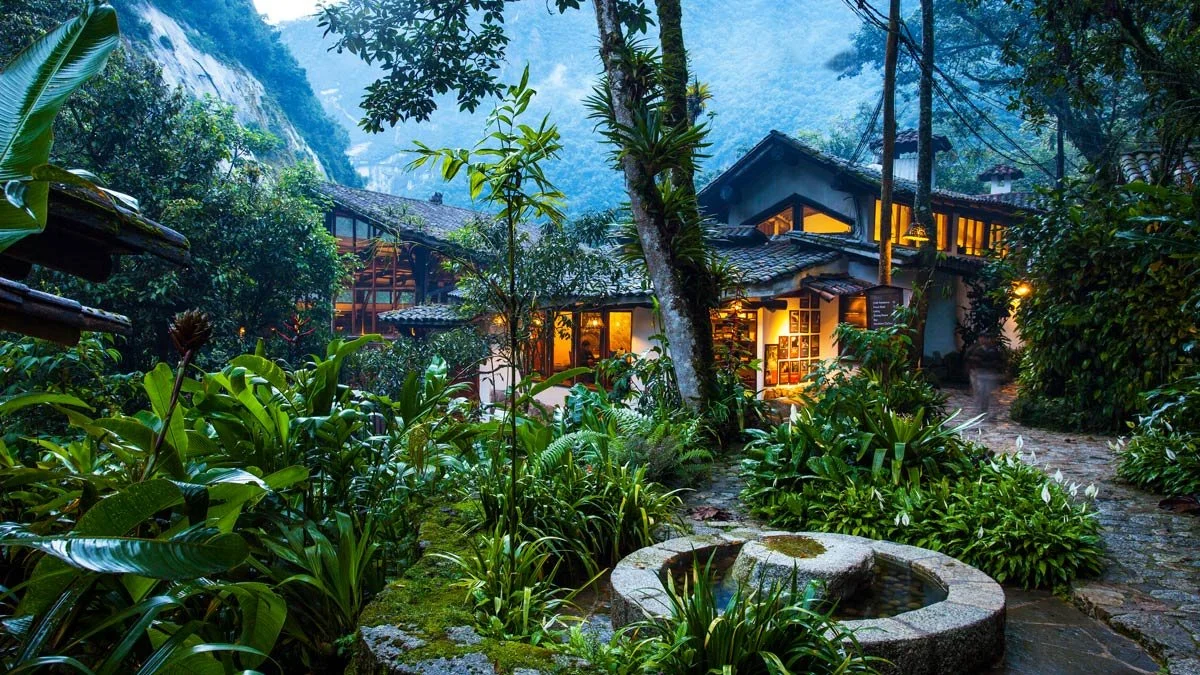
20. Inkaterra Machu Picchu Pueblo Hotel: Peru
Most visitors to Machu Picchu arrive, spend four hours, and leave. The Inkaterra Pueblo Hotel makes the case for staying longer, much longer. The property sits in a cloud forest village of casitas below Aguas Calientes, with its own 12-acre cloud forest reserve containing more than 370 orchid species and access to trails that most day-trippers never find.
A week here allows multiple visits to Machu Picchu at different times of day, access to the Inca Trail and the alternative routes like Salkantay and Lares, and genuine time in the cloud forest ecosystem that surrounds the citadel and is as remarkable in its own way.
Why it works for slow travel: Machu Picchu is one of the most overcrowded UNESCO sites in the world. Staying locally and visiting at dawn or dusk, on multiple mornings, produces an entirely different experience from the day-trip version.
Address: Km 110, Carretera Hiram Bingham, Aguas Calientes, Cusco, Peru
What These Properties Have in Common
They all understand that depth beats breadth.
Staff who remember. Small properties where the breakfast server knows your coffee order by day two, where guides recall which trails you've done and suggest new routes, where the concierge has already researched the restaurant you mentioned in passing.
Rhythms over itineraries. The best slow travel properties create daily patterns: sunrise hikes, afternoon tastings, evening sundowners. You're not checking boxes. You're settling in.
Enough nearby to explore, not so much you feel obligated. A week in any of these places means exploring at your own pace, like day trips when you want them, entire days at the property when you don't.
Slow travel isn't about avoiding adventure. It's about choosing places designed for lingering, where staying longer means understanding more, not just seeing more. These twenty hotels get that. Book a week minimum. You'll wish you'd booked two.