
Athens, Naxos, and Santorini: A Greece Food and Wine Tour Worth Every Bite
There is a version of Greece that most visitors experience. The postcard version: whitewashed buildings, blue-domed churches, crowded sunsets in Oia, gyros eaten standing up near the Acropolis. It is a perfectly good version of Greece. It is also about ten percent of what the country actually has to offer, particularly when it comes to food and wine.
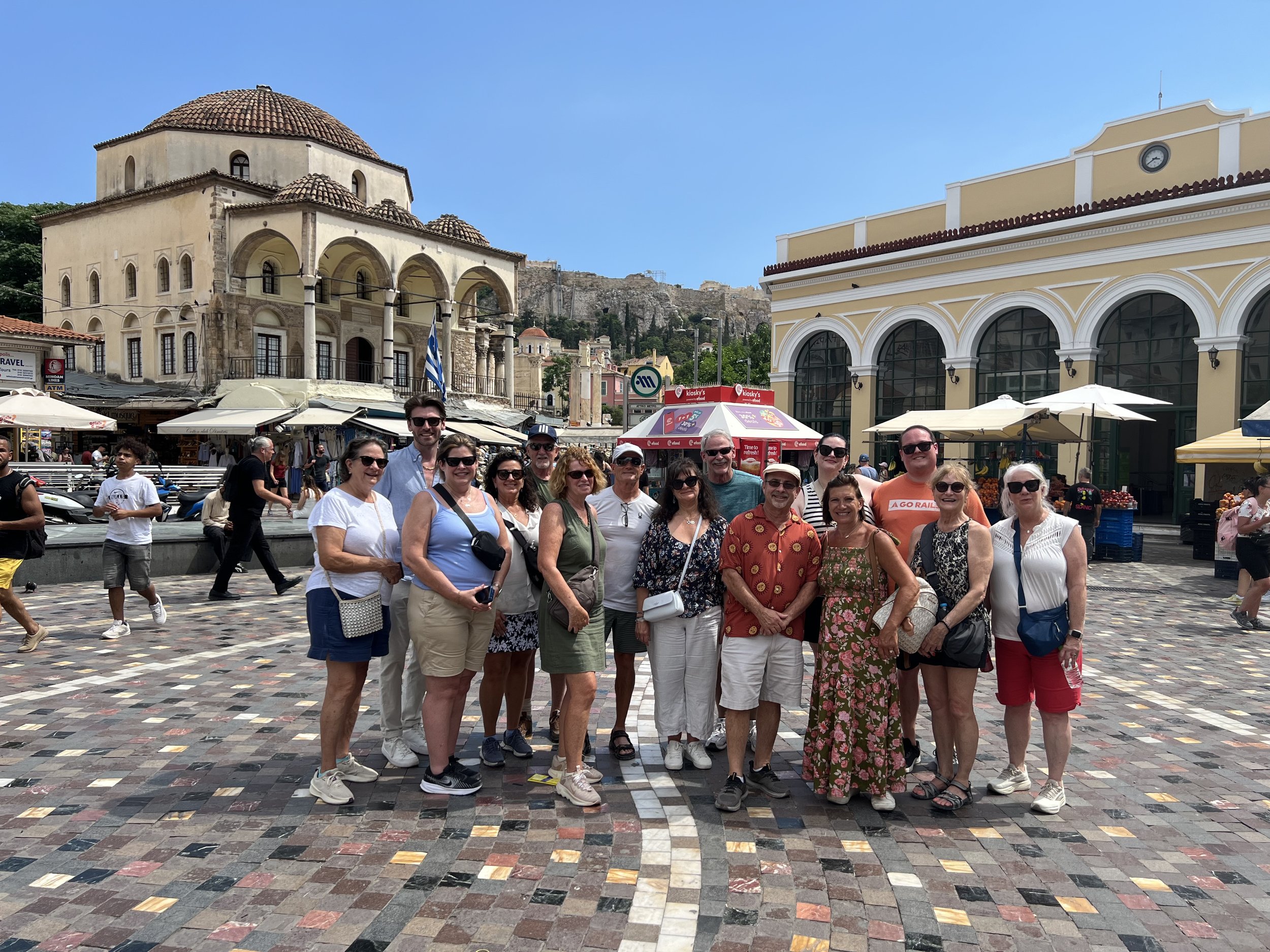
We just got back from our Greece food and wine tour, covering Athens, Naxos, and Santorini over ten days with our Travel Director Christian and Chef Bob Colosimo of Eleven Eleven Mississippi. Here is everything that we got up to on the trip, what we ate and drank, where we stayed, and why Greece keeps earning its place as one of the world's great culinary destinations.
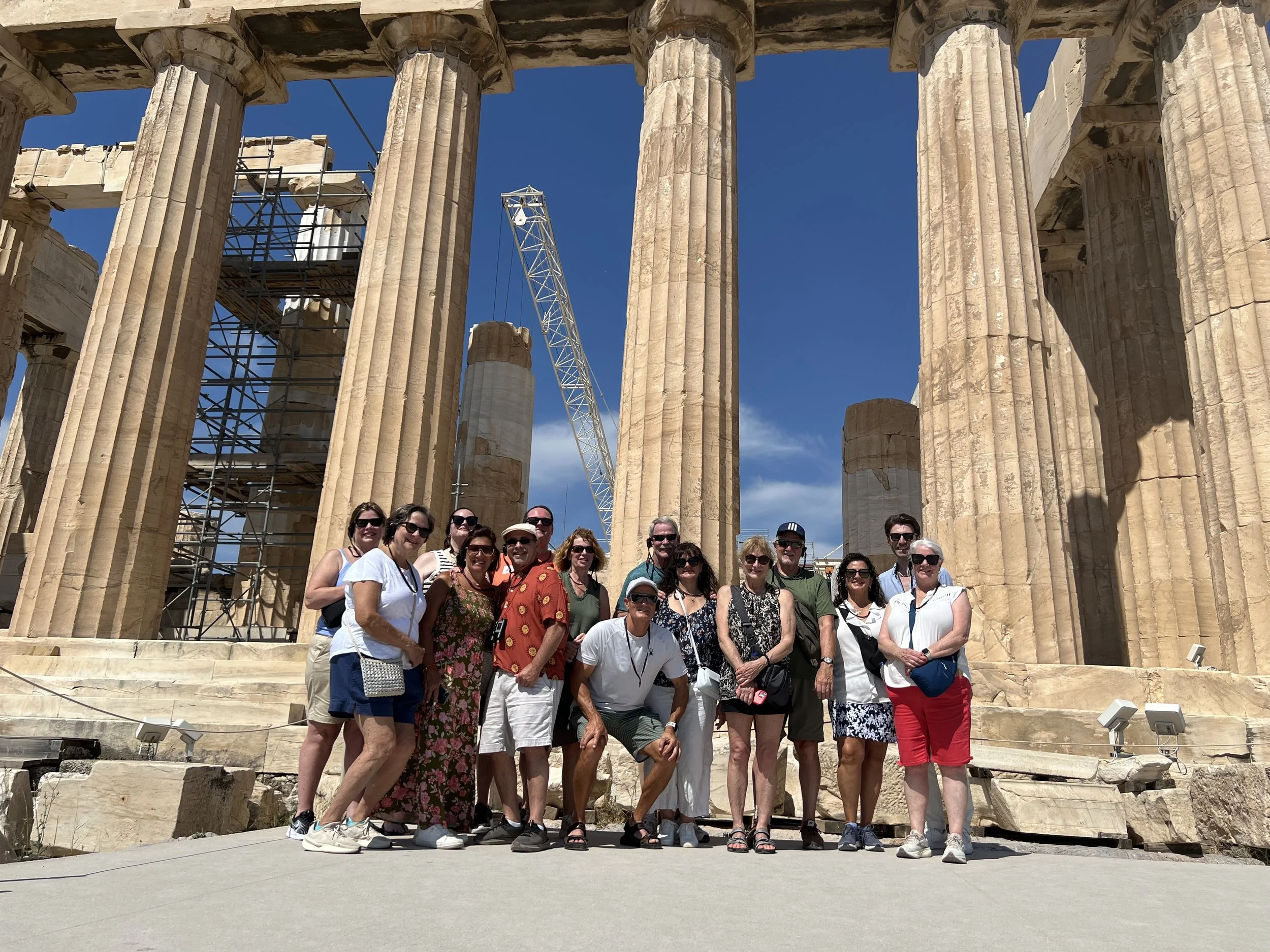
What Most People Get Wrong About Greek Food
The misconception we hear most often from guests before they board the plane is a predictable one.
In the United States, Greek food means feta, shrimp saganaki, and gyros. These are genuinely good things. They are also a very narrow representation of a food culture that varies dramatically from island to island and from region to region. Each island in Greece has its own culinary identity shaped by its geography, its agricultural history, and its proximity to other cultures. The food on Naxos bears only a passing resemblance to the food on Santorini, which is entirely different from what you find in Athens.
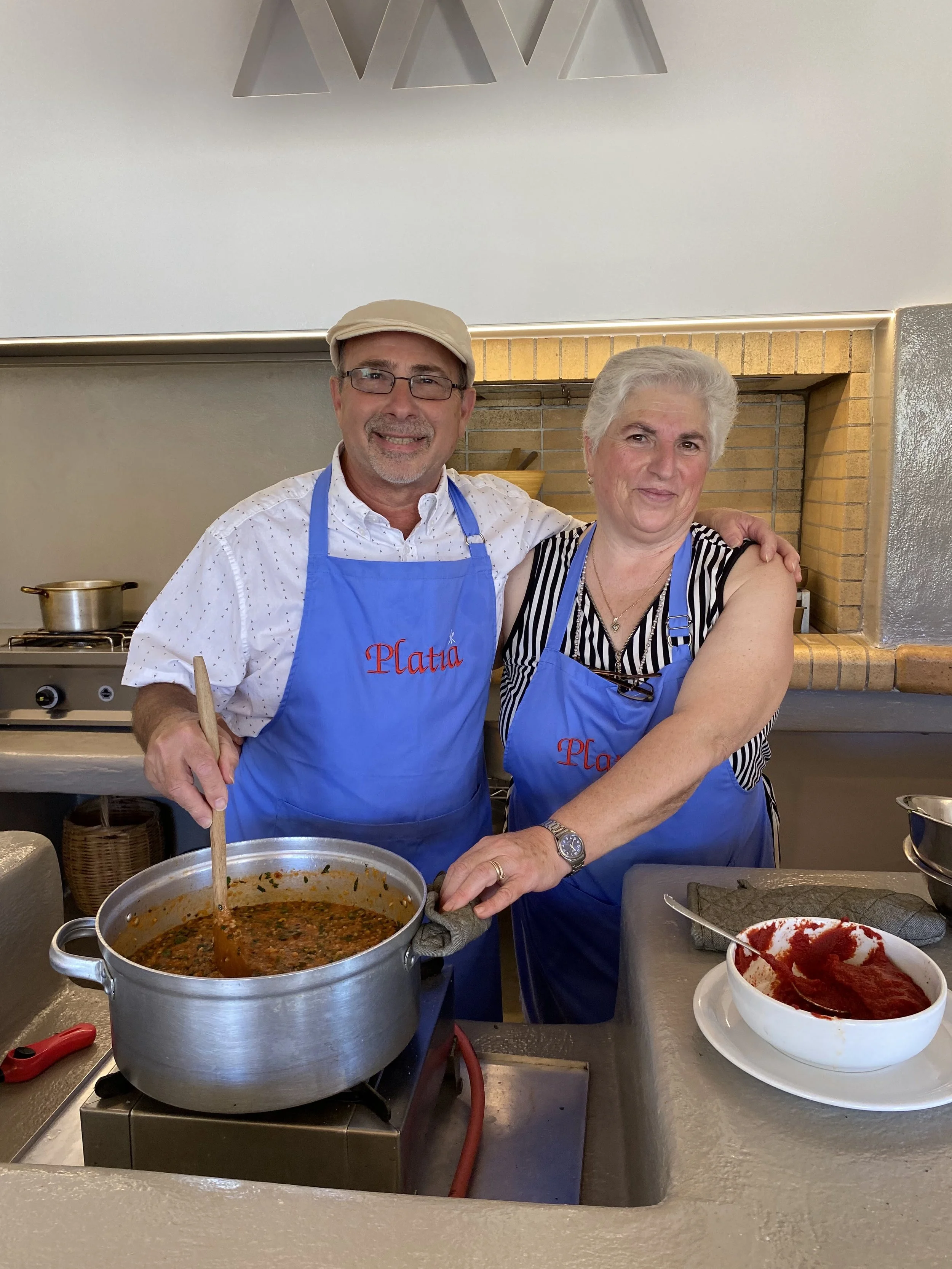
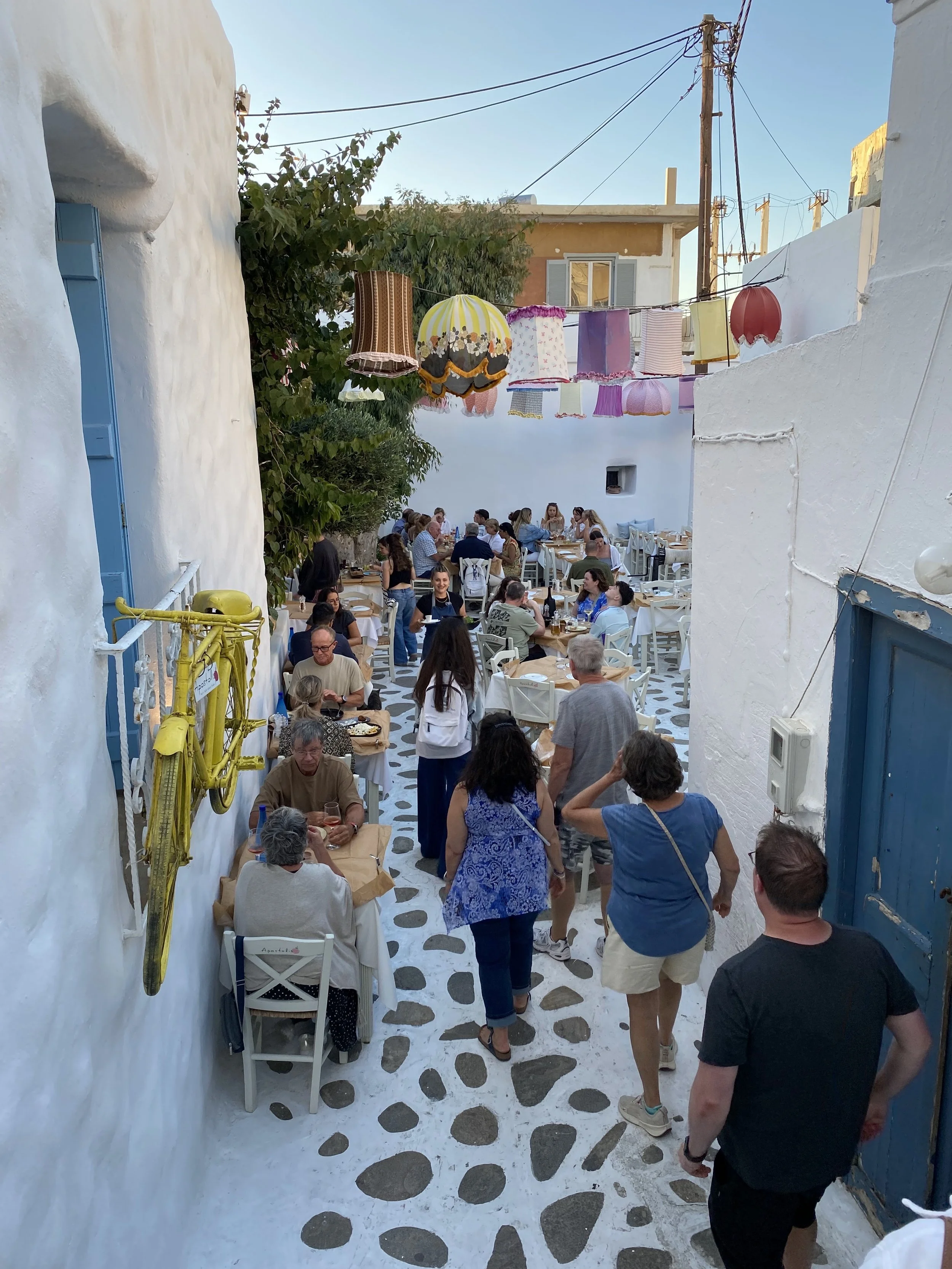
Greece has hundreds of local dishes, completely unique to each island, and one is better than the next. That is not an exaggeration. It is the experience of anyone who stays long enough and eats curiously enough to find out. The group on this trip arrived with assumptions and left with a considerably larger understanding of what Greek food actually is. That recalibration tends to happen somewhere around day three, usually over a cheese that bears no resemblance to anything labeled Greek in a Western supermarket.
Naxos: Where Local Really Means Local
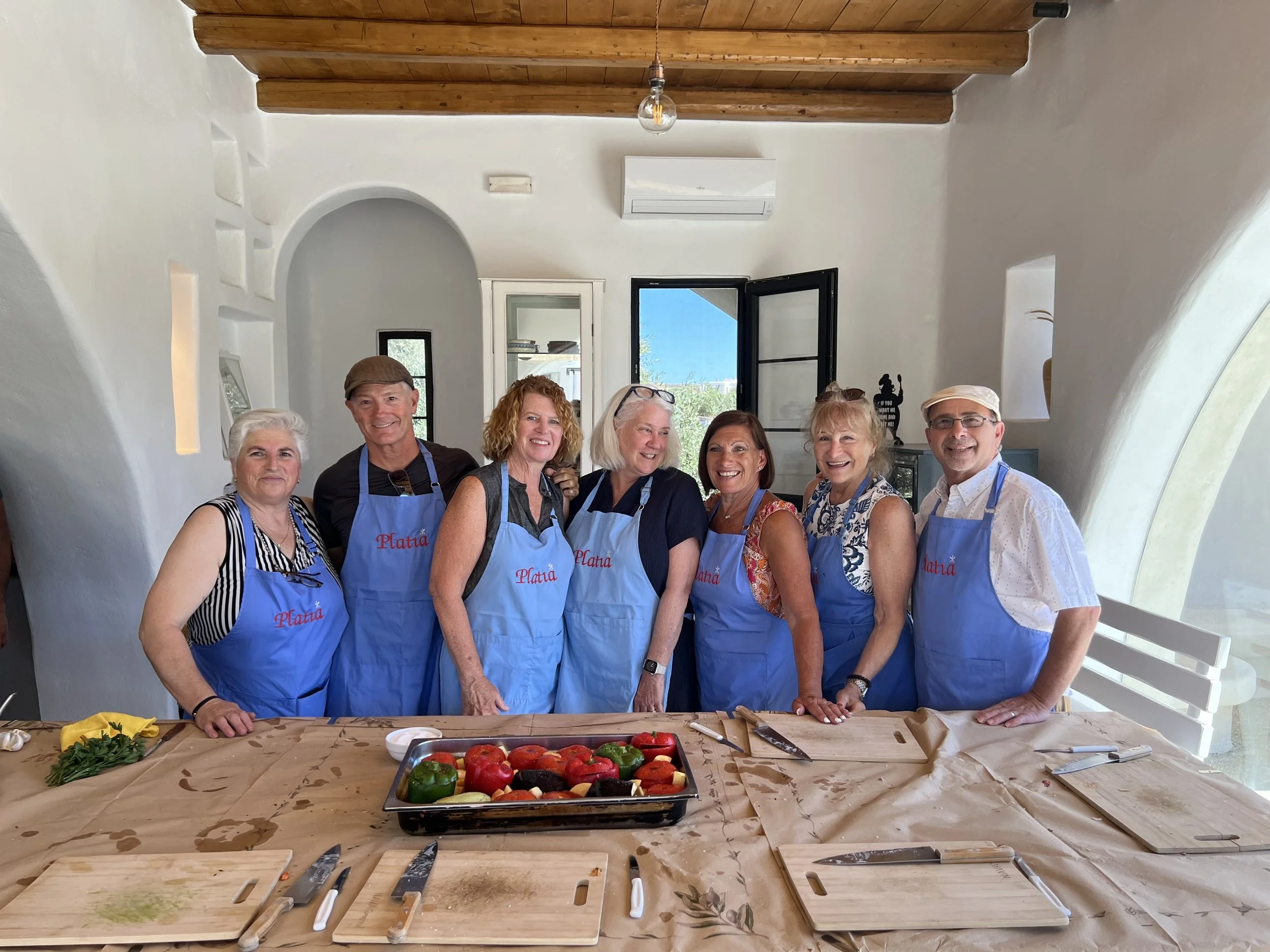
Naxos sits in the middle of the Cyclades and is the largest of the islands in the group. It is also, by some distance, the most fertile, which makes it unusual in the Aegean, where most islands rely heavily on imported produce. Naxos grows its own potatoes, raises its own cattle and pigs, produces its own olive oil, and makes its own cheese. The self-sufficiency is a geographic reality that has shaped the island's cuisine for centuries.
The cheese is the thing most visitors are not prepared for. The local graviera (a hard, semi-sweet cheese made from cow's or sheep's milk) is a much richer, milder cousin of feta, aged in wheels by dairies that have been operating on the island for generations. Eating it for the first time, particularly when it is served at room temperature with local honey, tends to produce a moment of genuine surprise and curiosity about what you thought you knew about Greek cheese.
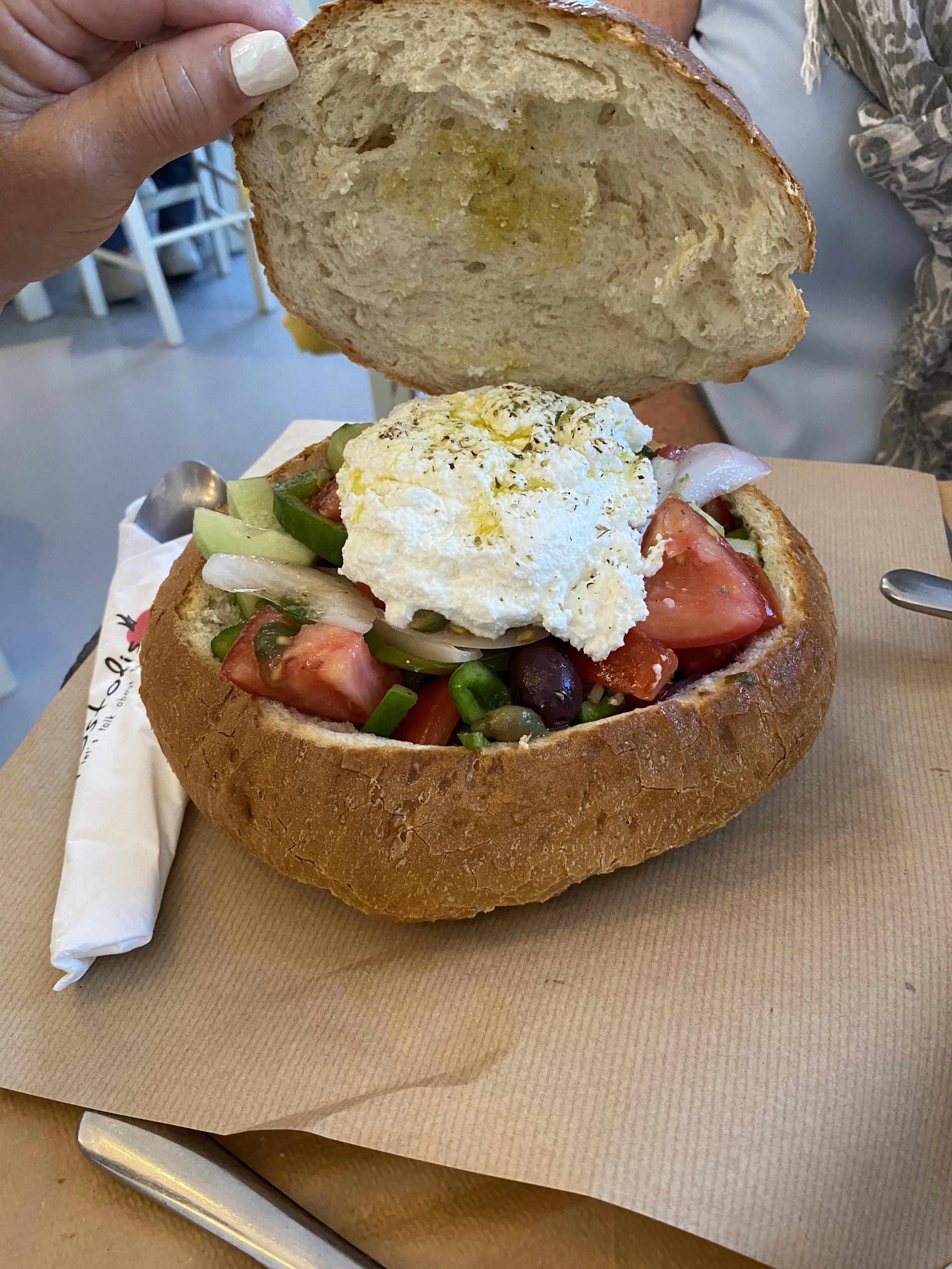
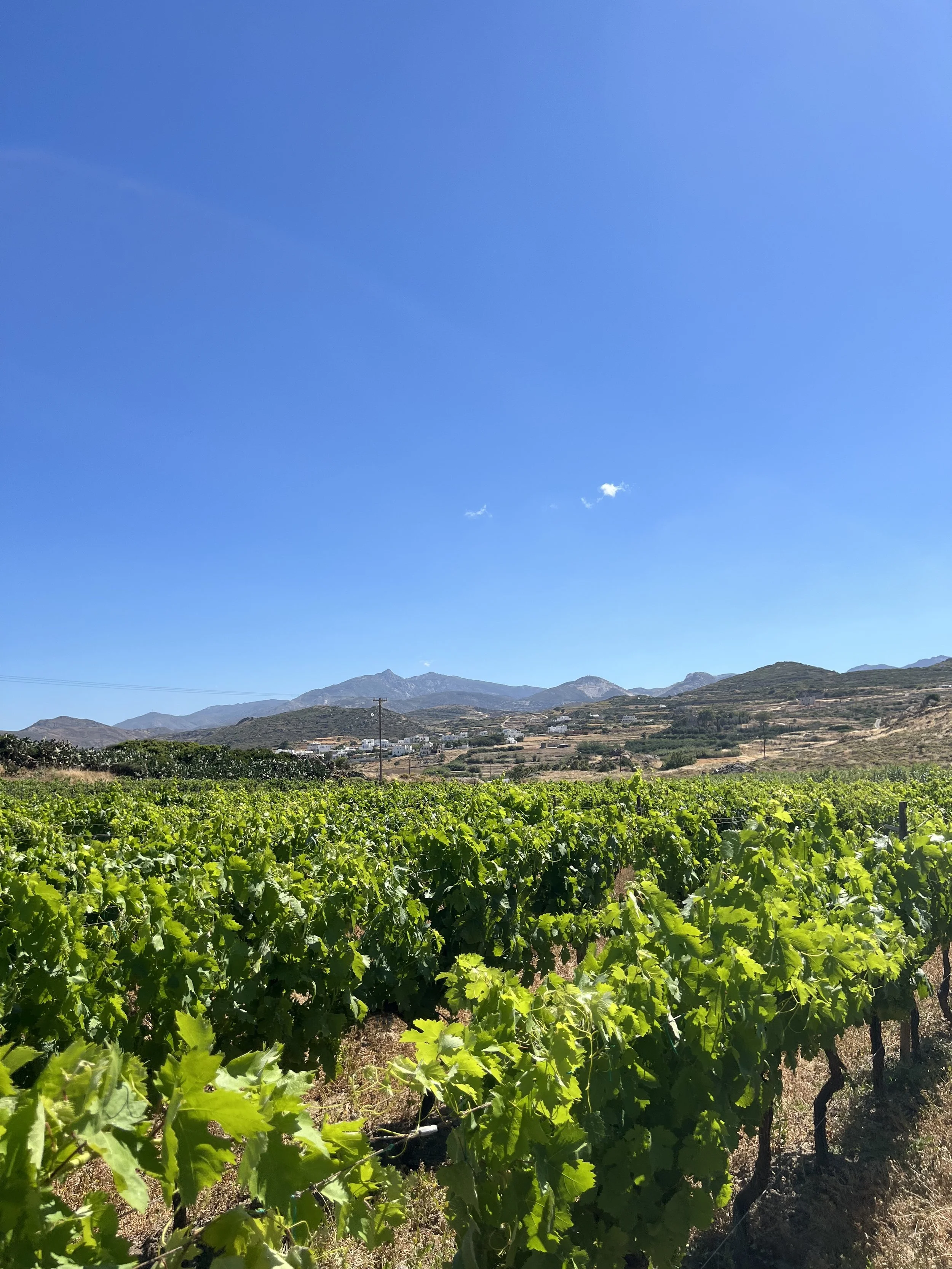
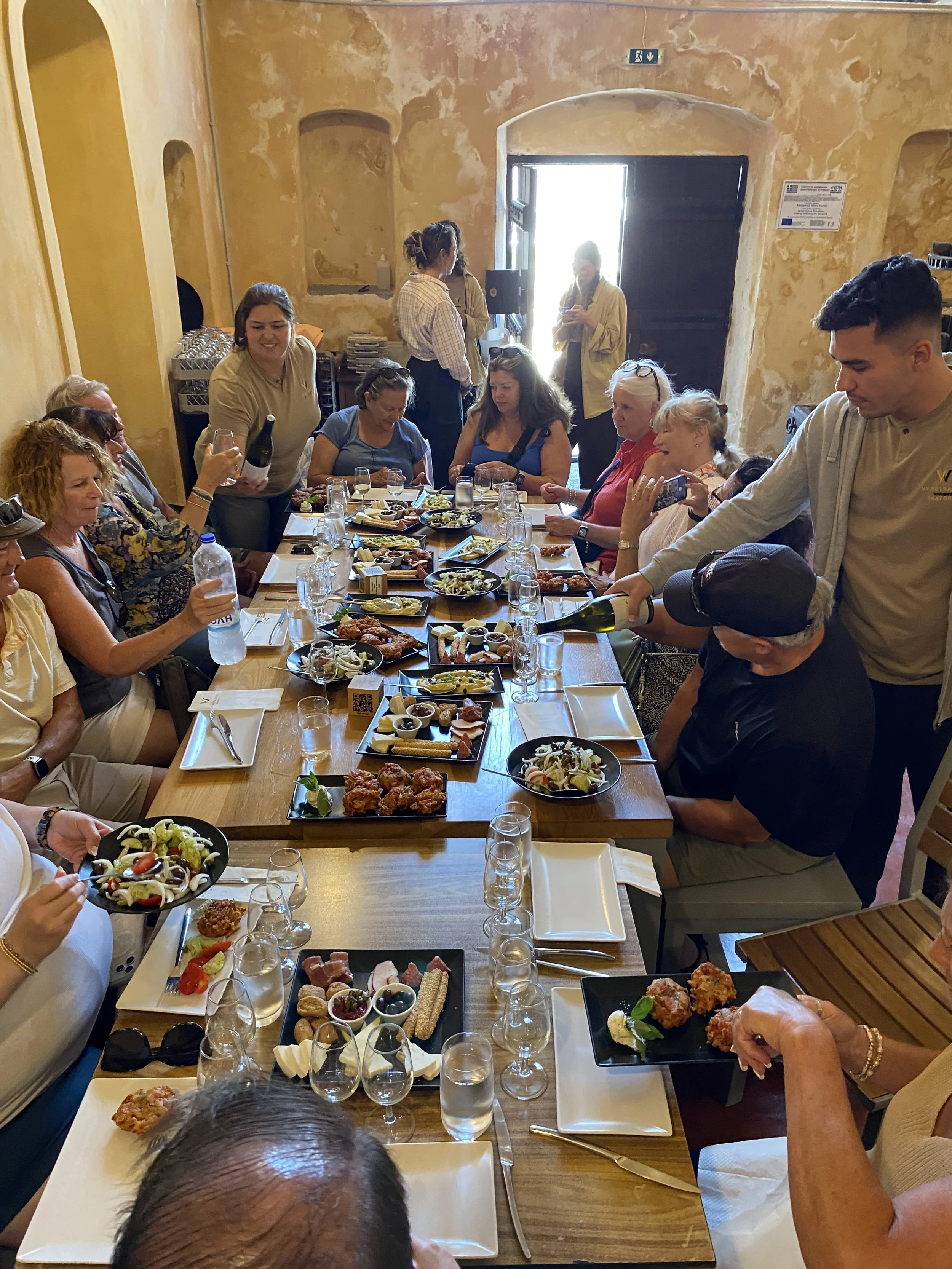
The local seafood takes that one step further. Since each island is genuinely isolated, the fish and shellfish on each one come from the surrounding waters rather than a centralised supply chain. In Greece, local produce is truly a way of life, and that focus on sourcing locally leads to some of the freshest food you will ever eat. The freshness it produces is the kind that makes you reconsider every piece of fish you have eaten at home.
Santorini: Volcanic Soil, Ancient Vines, and the Wine That Changes Everything
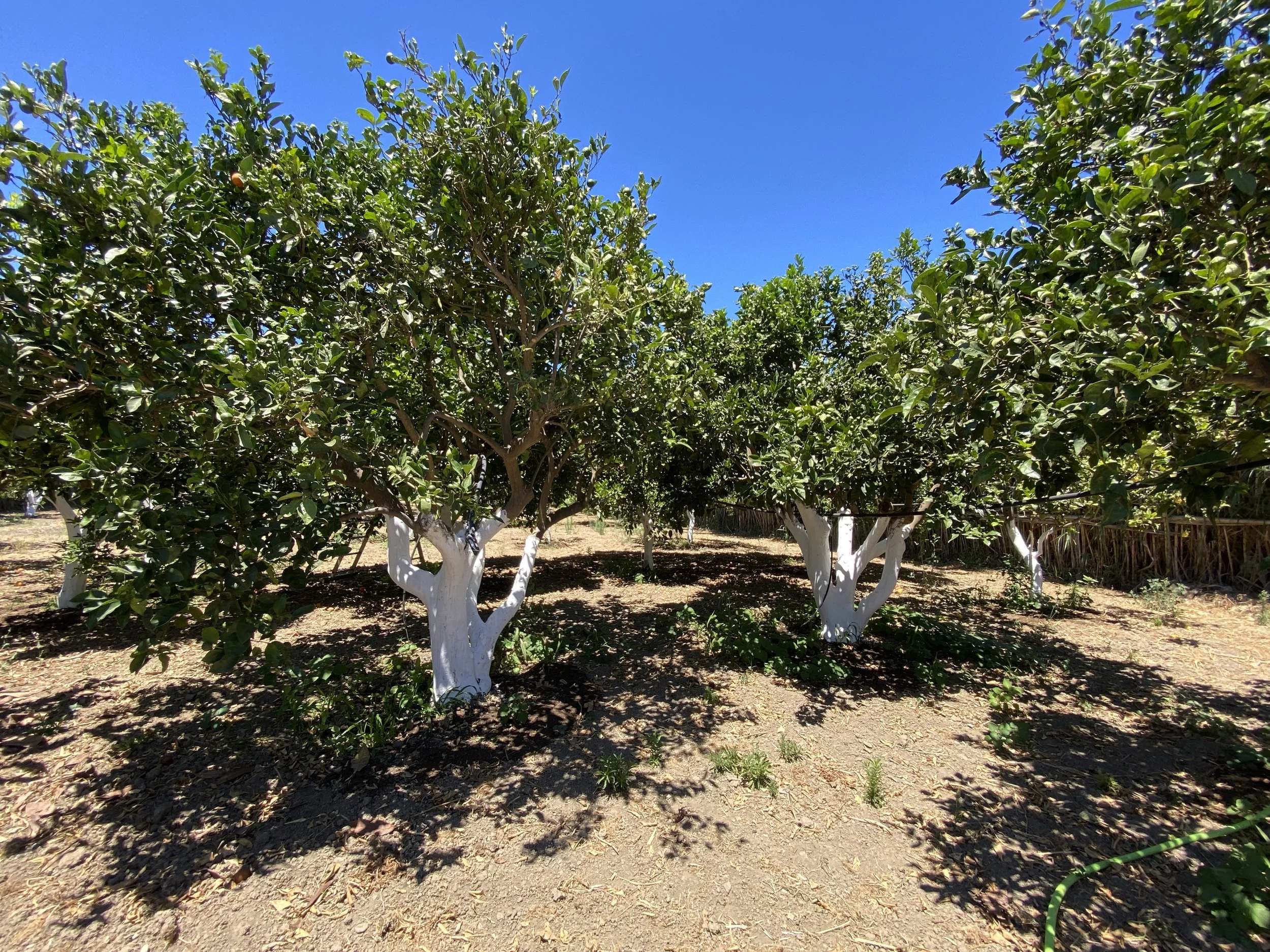
Santorini's winemaking tradition is one of the most distinctive in the world, built almost entirely on a single grape variety: Assyrtiko. The volcanic soil of the island, combined with the basket-training method used to protect the vines from the island's strong winds, produces a white wine with a mineral intensity and natural acidity that is unlike anything grown on conventional terrain.
The Assyrtiko grape has been grown on Santorini for at least 3,500 years. The old vines on the island (some of them over a century old, many significantly older!) produce tiny yields of fruit that the volcanic soil imbues with a saline, almost electric character. The wine made from them is unlike anything else in Greece, or anywhere else.
Estate Argyros was a particular favourite of the group. Founded in 1903, it is one of the oldest continuously operating estates on the island and produces some of the most respected Assyrtiko in the appellation. The Atlantis Assyrtiko was the wine the group kept returning to across the trip. It’s crisp, mineral, and with enough acidity to cut through the richness of the local seafood without losing its own character. By the end of the week, several people had arranged to have cases shipped home.
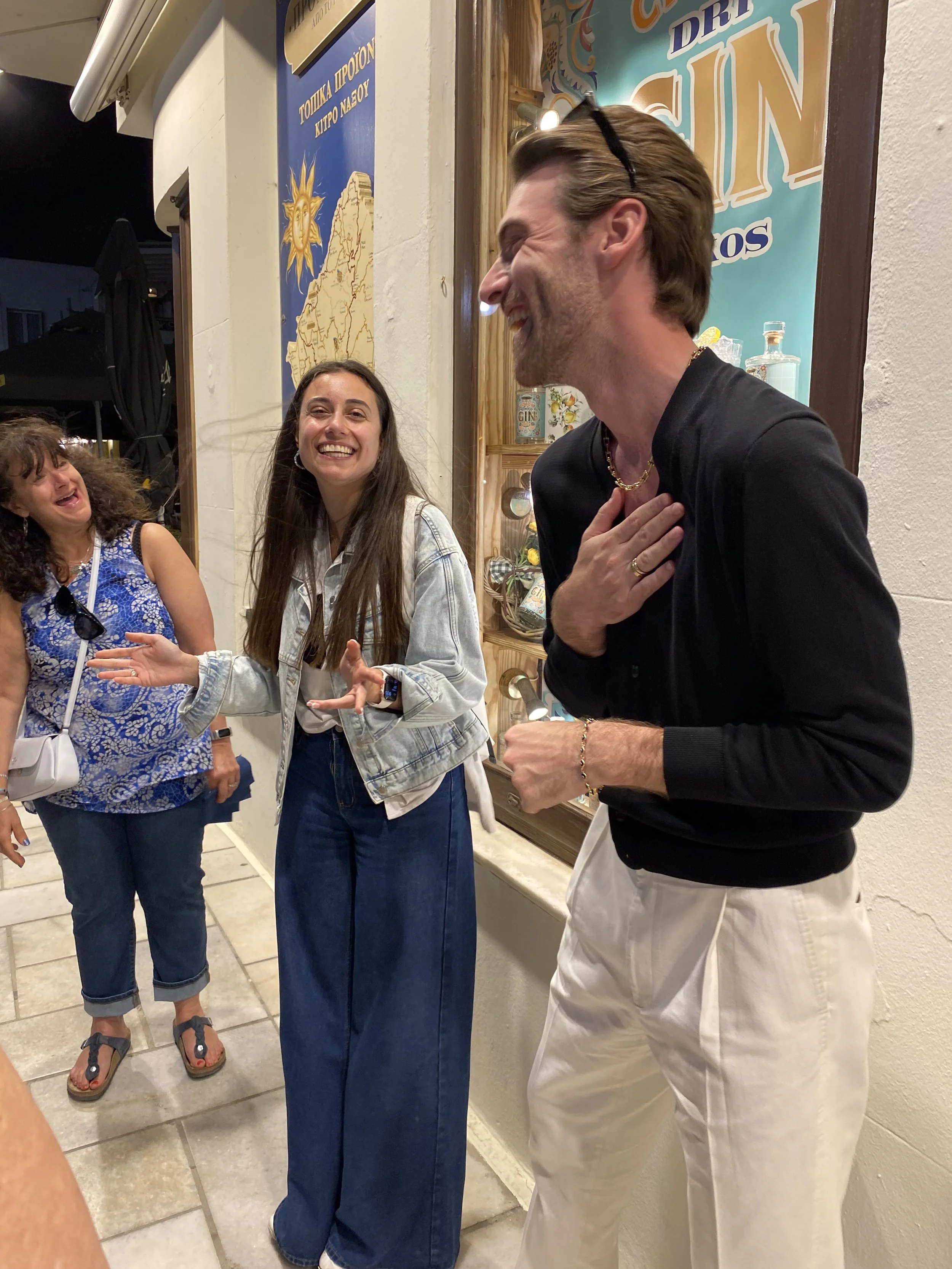
What made the visit particularly memorable was what happened after the formal tasting. At some point during the afternoon, the winemaker's grandfather appeared with a bottle of his own homemade wine. Not something on the tasting menu but something he made because he always has, and because there were people at the table who seemed intrigued. That kind of moment does not happen by accident and cannot be manufactured. It happens because the people who work this land are proud of what they produce and pleased when someone else takes the time to understand why.
That story, more than any specific tasting note, captures what makes a Greece food and wine tour different from simply visiting wineries on holiday.
The Catamaran Charter: The Highlight of the Trip
The caldera views from Santorini's clifftop villages are extraordinary. They are also extremely well documented, extremely crowded at the standard sunset hour, and accessible to anyone who visits the island for a long weekend.
Seeing the caldera from the water is a different experience entirely.
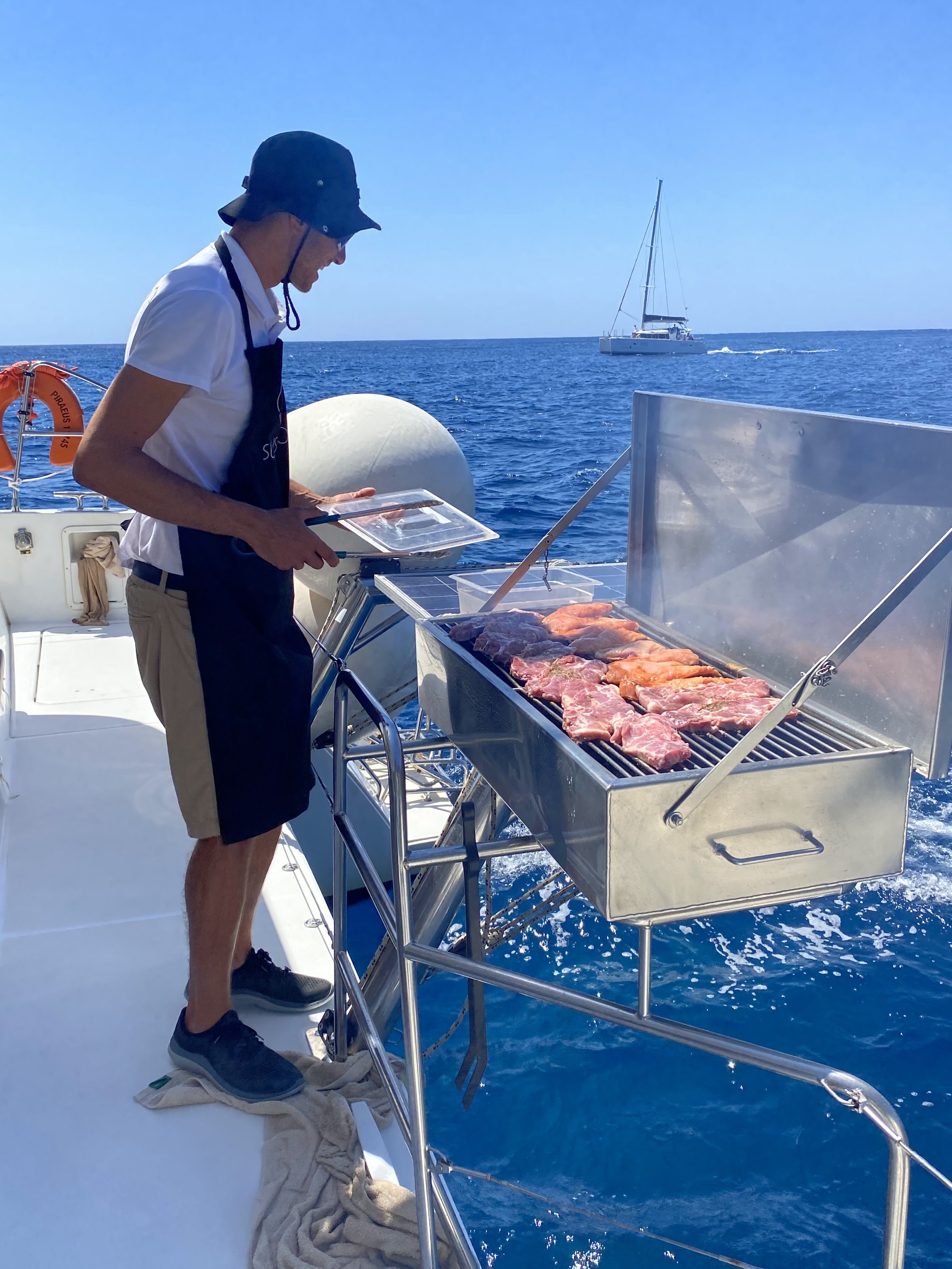
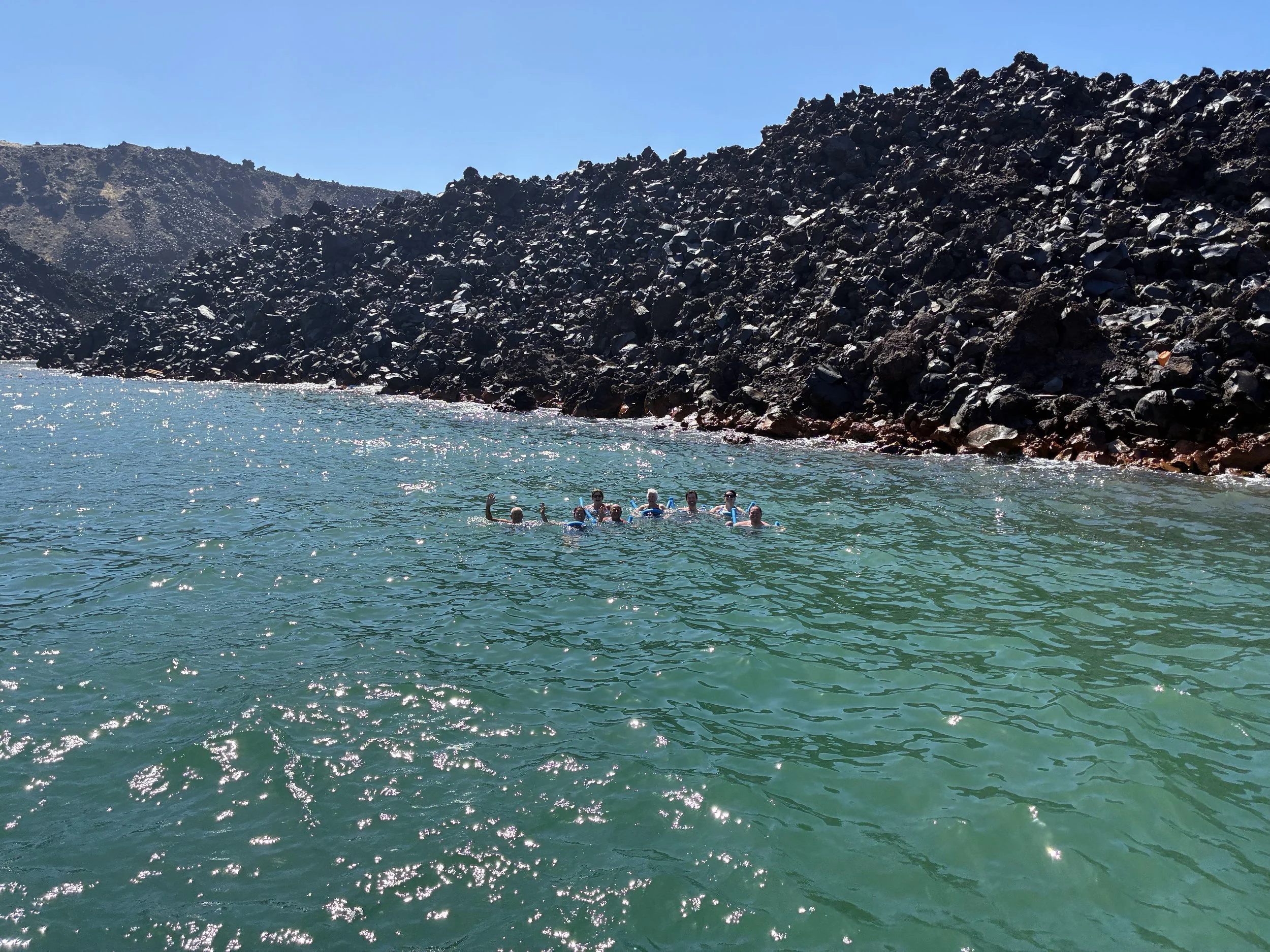
The catamaran charter was the moment that came up most in post-trip conversations as the highlight of the ten days, which is significant given that the trip also included exceptional wine tastings and some of the best fresh seafood any of the group had eaten! The reason it stood out is that it offered something the other experiences on the trip did not: scale of the city from a different perspective.
From the water, the caldera walls rise hundreds of feet above you. The white villages that look so postcard-perfect from above become something more imposing when you are floating at the base of the cliffs looking up at them. The swimming stops are in water warmer than you expect and more transparent than seems possible. And at the end of it, fresh Greek barbecue on deck with the caldera as a backdrop, with grilled fish, local vegetables, and cold Assyrtiko. It was the kind of meal that justified the entire journey to get there.
Our Favorite Hotel: Rocabella, Santorini
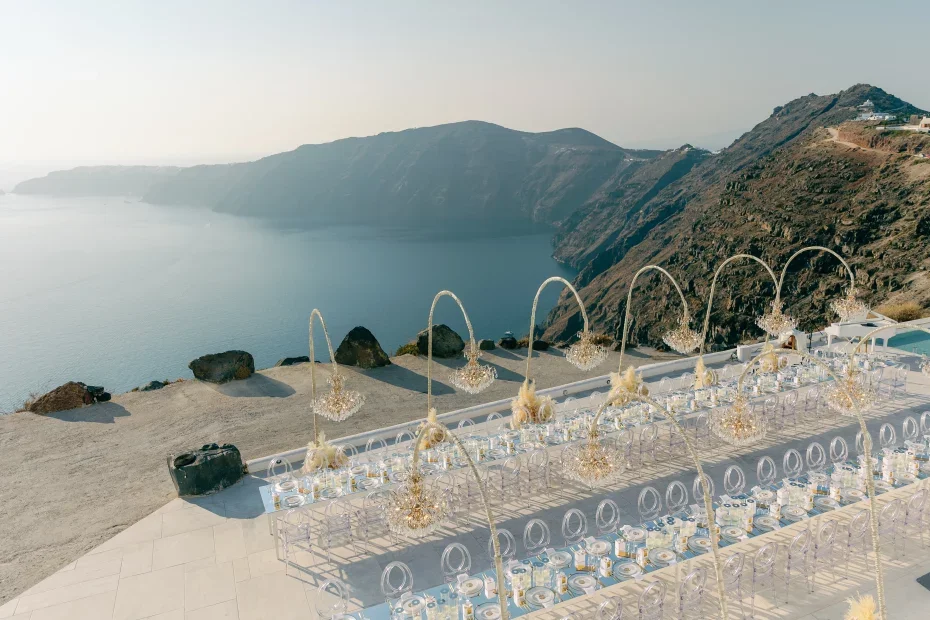
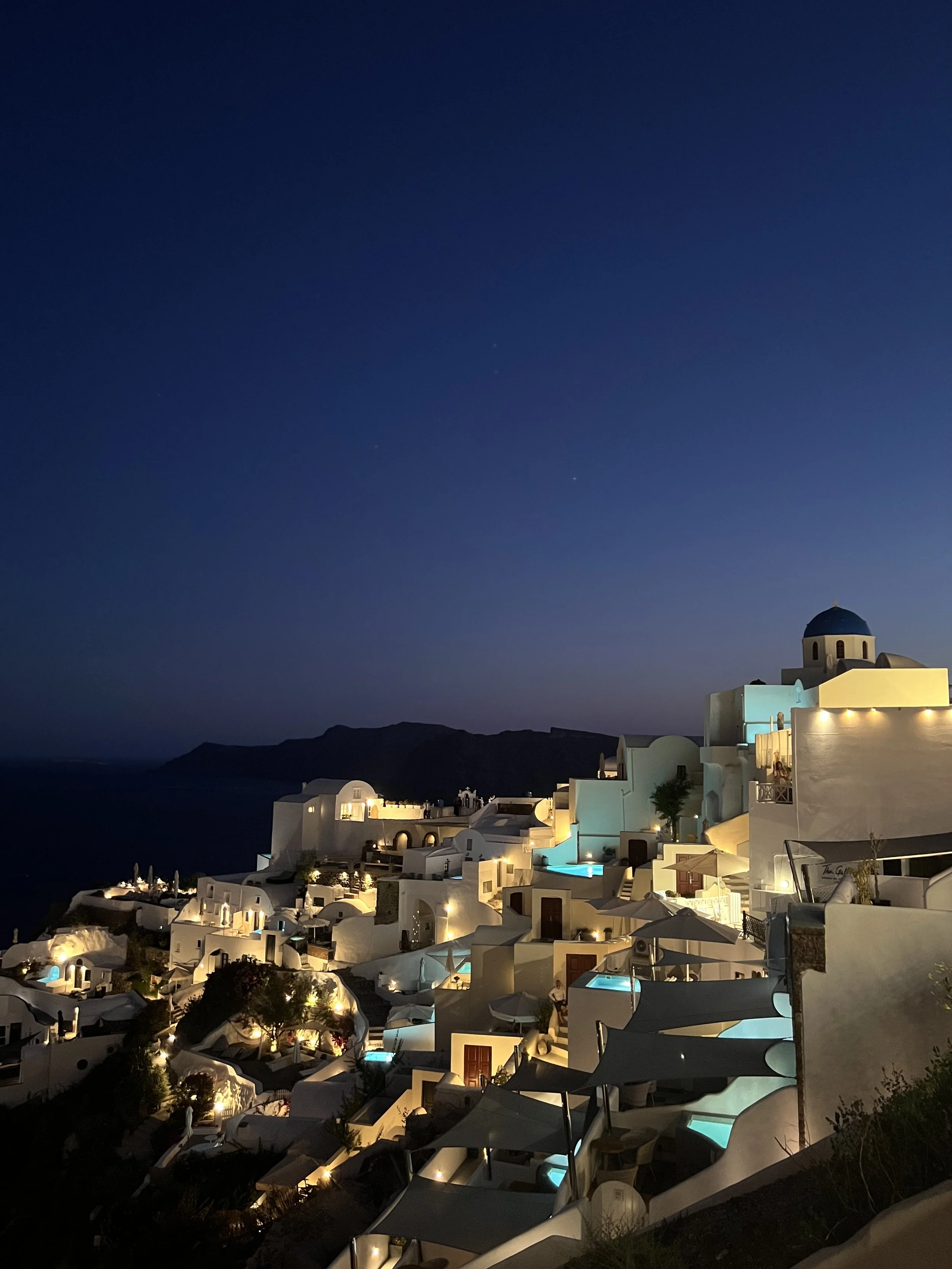
Rocabella sits in Imerovigli, the quietest of the three main caldera villages and the one with arguably the strongest claim to being the most beautiful. Located just outside Oia, you skip the overcrowded streets and find yourself perched on a cliffside, with caldera views from all three of the hotel's infinity pools.
The freshly made-to-order breakfast included in the stay and the quality of the on-site restaurant make Rocabella work particularly well as a base for a food and wine itinerary. After a full day of tastings, market visits, and a long lunch that stretched into mid-afternoon, having a hotel that functions as a destination in itself rather than just a place to sleep made such a difference.
Perched on a cliffside, it was the perfect spot for soaking up the sun and relaxing after a day of sightseeing.
What Greece Does Better Than Anywhere Else
What does Greece do better than anywhere else? Hospitality, of course.
Not hospitality in the hotel industry sense of the word. Hospitality in the original Greek sense, philoxenia, which translates roughly as love of strangers. The cultural imperative to welcome visitors, feed them well, and share whatever you have with genuine enthusiasm rather than professional obligation.
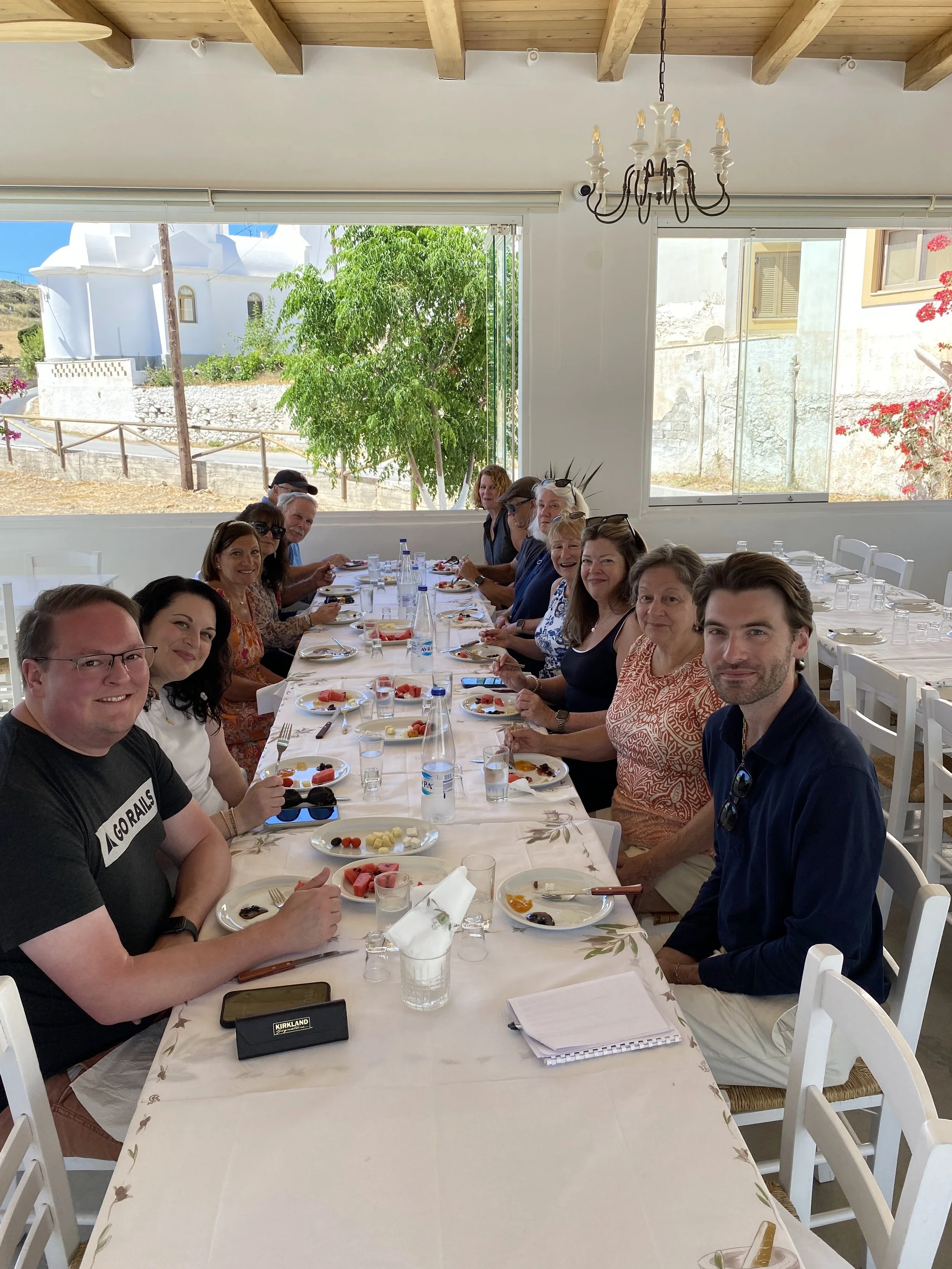
Everywhere you go in Greece, people are excited to show you the fruits of their labour. Show up for a wine tasting and next thing you know, you are sitting with the winemaker's grandfather drinking his homemade wine. It is the kind of thing that happens not because a tourism board encouraged it but because this is genuinely how Greeks relate to people who are interested in what they do.
The other thing is the genuine localness of the food. Since Greece is so isolated from island to island, producers truly use local ingredients. That focus on sourcing locally leads to food with a freshness and specificity that is increasingly rare in most parts of the world, and it is the thing that most surprises guests who arrive expecting a familiar version of what they have eaten at home.
Who This Trip Is For
This itinerary is perfect for anyone who loves food and wine. It is also the ideal first trip to Greece. It offers a genuine taste of Greek hospitality across three very different destinations and captures the best of what this country has to offer at the table.
Athens provides the historical and urban context. Naxos provides the agricultural reality. Santorini provides the wine culture and the drama. Together they produce a picture of Greece that most visitors who come for a week on a single island never get.
Limitless Planet's Greece Food and Wine Tour covers Athens, Naxos, and Santorini over ten days, led by Travel Director Christian. Contact us to find out about upcoming departures or to discuss a private group version of the itinerary.