
The Art of Slow Travel: 11 Destinations That Reward Patience in 2026
Most travelers spend two weeks trying to see an entire country. They book seven hotels, eat at twelve restaurants, and photograph twenty landmarks. They come home exhausted, with a camera roll full of places they barely remember.

Slow travel works differently. You stay three weeks in one region instead of three nights in seven cities. You take the scenic train route that adds six hours to your journey. You return to the same café four mornings in a row until the owner knows your order. You learn ten words of the local language instead of relying entirely on English.
The goal isn't to see everything (spoiler alert: that's impossible!). The goal is to understand something.
This slow travel guide focuses on eleven destinations where patience pays off. Places where the journey matters as much as the destination. Regions where staying longer reveals layers you'd miss in a rushed visit. These aren't quick weekend trips, in our opinion; each requires a minimum commitment of two to four weeks to experience properly.
Whether you're a digital nomad building a life on the road, a couple planning an extended sabbatical, or someone finally taking that month-long trip you've been postponing, these destinations prove that the art of slow travel is alive and well in 2026.
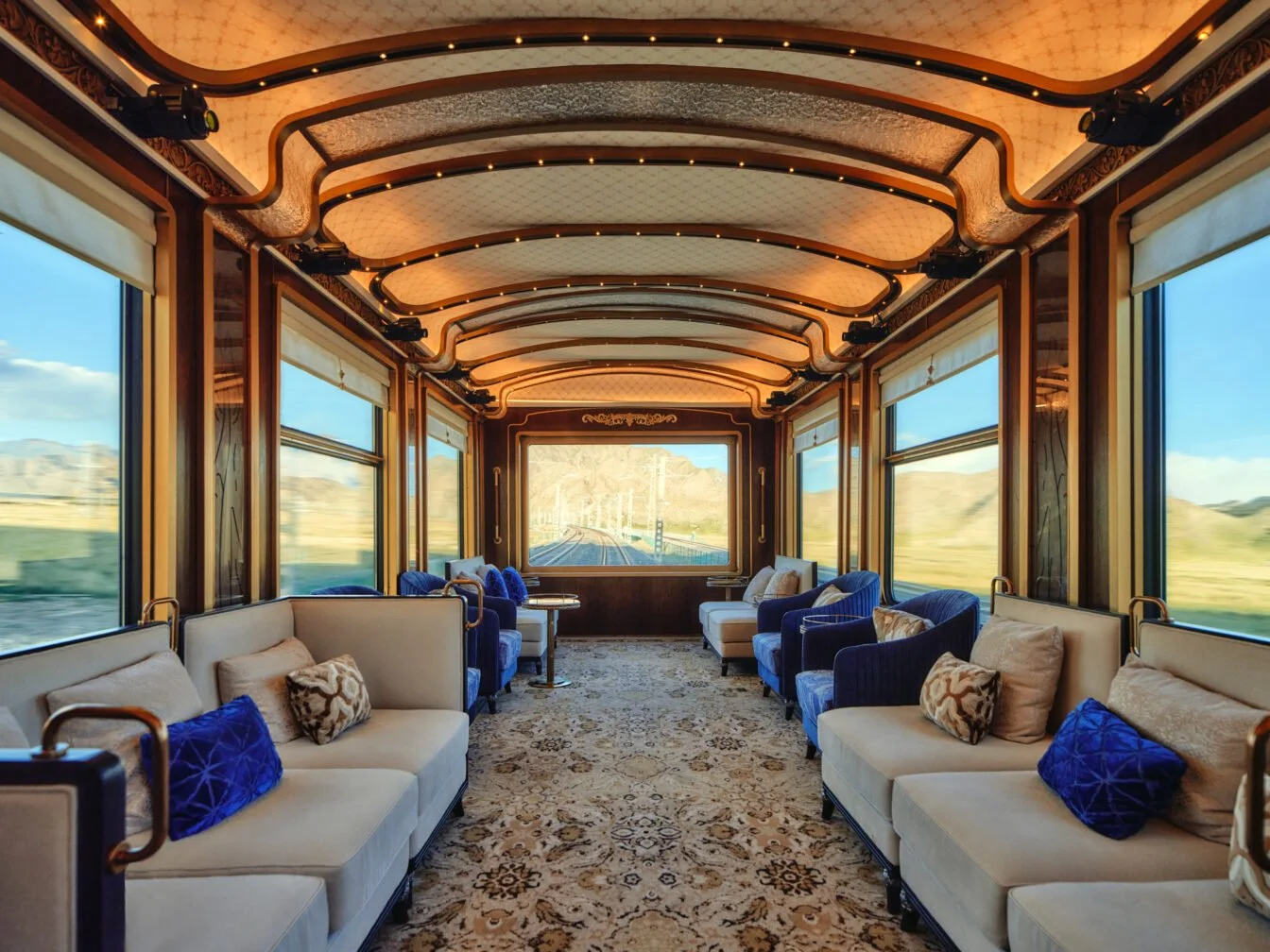
The Golden Eagle Luxury Train Across China
The Trans-Siberian Railway gets all the attention, but the Golden Eagle's route through China offers something different: 6,000 miles of landscape most Westerners never see, traveled at a pace that lets you actually absorb it.
The journey starts in Beijing and winds through the Gobi Desert, the Tibetan Plateau, and the Silk Road cities of Dunhuang and Turpan before reaching Kazakhstan. And the best part? You're not just passing through. The train stops for guided excursions to Buddhist caves, ancient fortresses, and local markets where you're the only foreigner.
Slow travel doesn't get more literal than this. The train moves at 50 miles per hour through terrain where roads barely exist. You spend mornings watching nomadic herders from your cabin window, afternoons exploring cities that predate the Roman Empire, and evenings in the dining car learning Mandarin from fellow passengers.
The Golden Eagle handles the logistics completely. Your cabin becomes your hotel for two weeks. Meals are included. Guides meet you at every stop. You unpack once and wake up somewhere new every morning without ever touching your luggage.
This is slow travel for people who want to see a country's breadth without the exhaustion of constant movement. China's too vast to understand in two weeks, but this route gives you context: the geography, the history, the sheer scale of distance that shaped Chinese culture.
Why it works for slow travel: You cover enormous distance without the stress of planning, packing, or navigating. The train becomes your constant, familiar space while everything outside your window changes. You have time to read about Chinese history, journal about what you're seeing, and actually process the experience instead of rushing to the next destination.
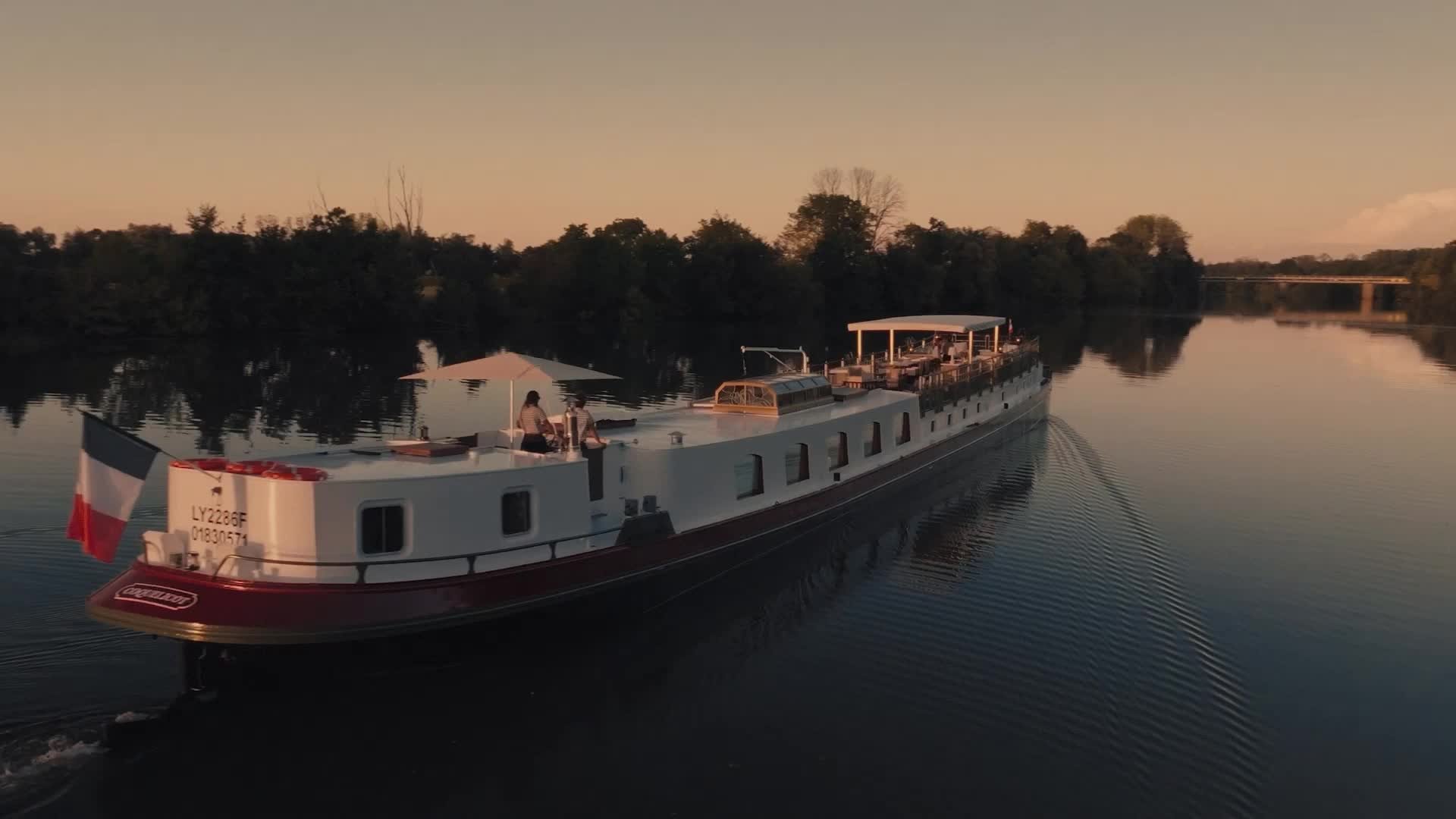
Belmond's Burgundy & Champagne Barge
A barge moves at four miles per hour through French canals. That's walking speed. You could keep pace with the boat from the towpath if you wanted (but we recommend staying in the barge).
Most people would find that unbearably slow. That's exactly why it works.
Belmond's luxury barges drift through Burgundy and Champagne, stopping at medieval villages, family-run vineyards, and farmers' markets that have operated in the same spot for 300 years. You bike through vineyard rows in the morning, tour a Champagne house where the same family has made wine since the 1700s in the afternoon, and return to the barge for dinner prepared by your onboard chef using ingredients from that morning's market.
The barge holds a maximum of twelve passengers. Your cabin has windows at water level, where you fall asleep watching ducks paddle past. The crew bikes into town ahead of you to reserve tables at restaurants where locals actually eat.
Burgundy and Champagne deserve this pace. These regions have been perfecting wine for a thousand years. The terroir, the specific combination of soil, climate, and tradition, changes every few miles. Rushing through defeats the entire point. You need days, not hours, to understand why one hillside produces wine that costs $500 a bottle while the hillside next to it produces wine that costs $50.
Where to extend your stay: After the barge, spend a week in a renovated farmhouse in the Côte d'Or. Maison Lameloisein Chagny offers suites in a Michelin-starred property where you can take cooking classes, tour local fromageries, and day-trip to villages the barge couldn't reach.
Why it works for slow travel: The barge removes all decisions. You can't rush even if you wanted to. Your only job is to notice things: how morning light hits the canal, how the landscape shifts from Burgundy's rolling hills to Champagne's flatter plains, how French villagers live when they're not performing for tourists.
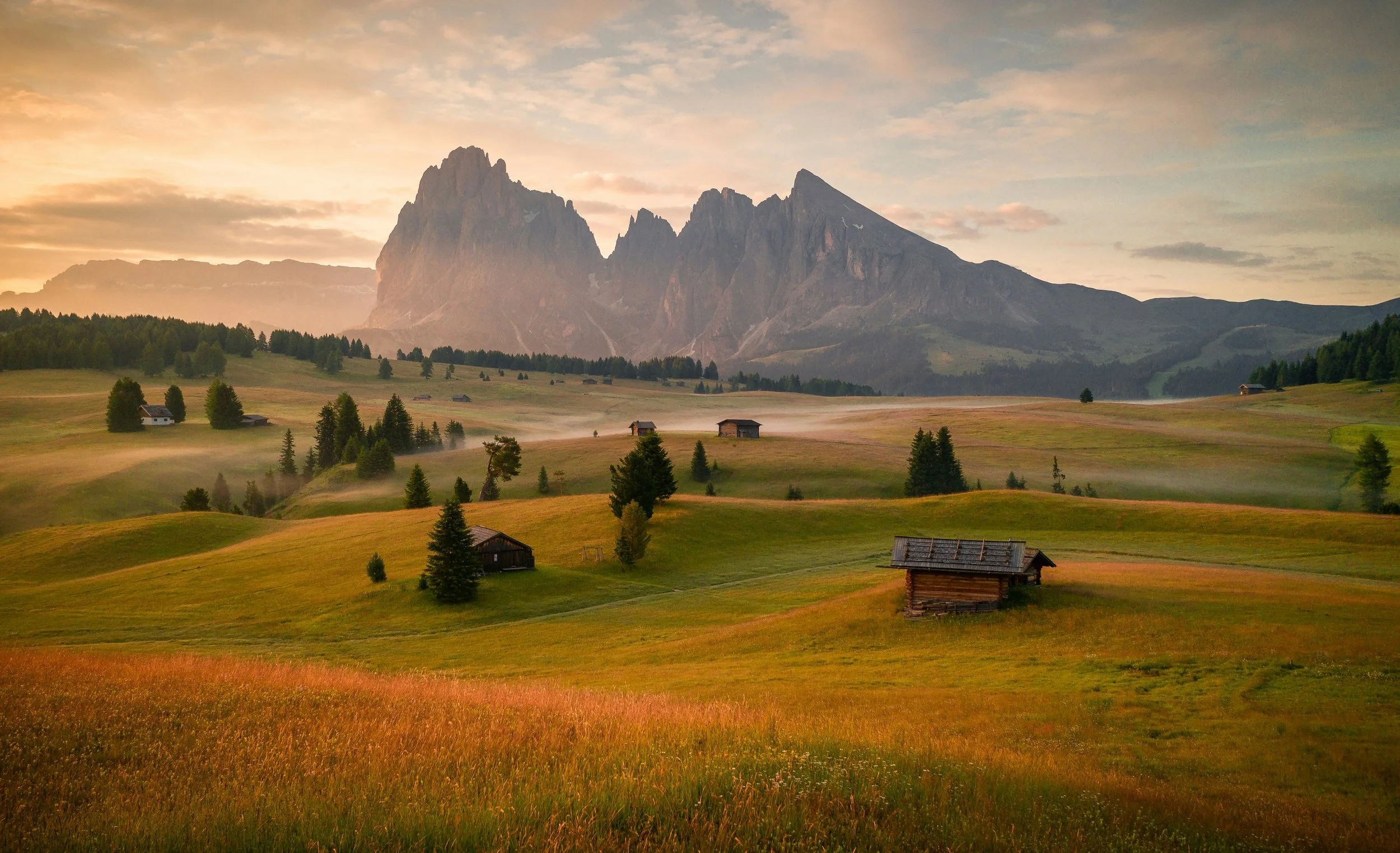
The Dolomites: Lodge-to-Lodge Hiking Through Italy's Alps
The Dolomites don't look like normal mountains (just look at them). The limestone peaks are rugged towers and spires that turn pink at sunset, where locals call it "enrosadira," AKA: the alpine glow. UNESCO declared them a World Heritage site for their geology. Hikers come for something else, though: a network of trails connecting mountain lodges where you can walk for weeks without retracing your steps.
The Alta Via routes are the most famous, but dozens of trails crisscross the region. You hike six to eight hours a day through high alpine meadows and beneath those pink limestone faces, then arrive at a rifugio (a mountain lodge) where dinner is already being prepared. Most rifugi are family-run. The same families have been hosting hikers for generations.
This is slow travel with a rhythm. Wake up, eat breakfast, hike, arrive at the next lodge by afternoon, rest, eat dinner, sleep, repeat. The Dolomites are in Italy, so even at an elevation of 7,000 feet, dinner is some of the best food you've had in your whole life, paired with local wine. The pasta is made fresh that morning. The speck (cured ham) comes from the valley below.
You carry a light pack (the lodges provide everything else). Some hikers arrange luggage transfer services, so they're hiking with just a daypack while their main bag meets them at the next rifugio. This is Italy. Even the hiking is civilized.
Three weeks gives you time to hike the Alta Via 1 (the most popular route), spend a few days in Cortina d'Ampezzo (the Dolomites' mountain town with the best food scene), and add side trips to lesser-known valleys where you'll see more chamois than people.
Where to extend your stay: Base yourself at Rosa Alpina in San Cassiano for a week. This five-star hotel has a Michelin-starred restaurant, a spa, and is positioned perfectly for day hikes. You can explore without moving lodges every night.
Why it works for slow travel: The daily rhythm creates a meditation. Your world narrows to the trail, the mountains, the next meal. You're moving every day but never rushing. The Dolomites have been here for 250 million years. They'll still be here tomorrow.
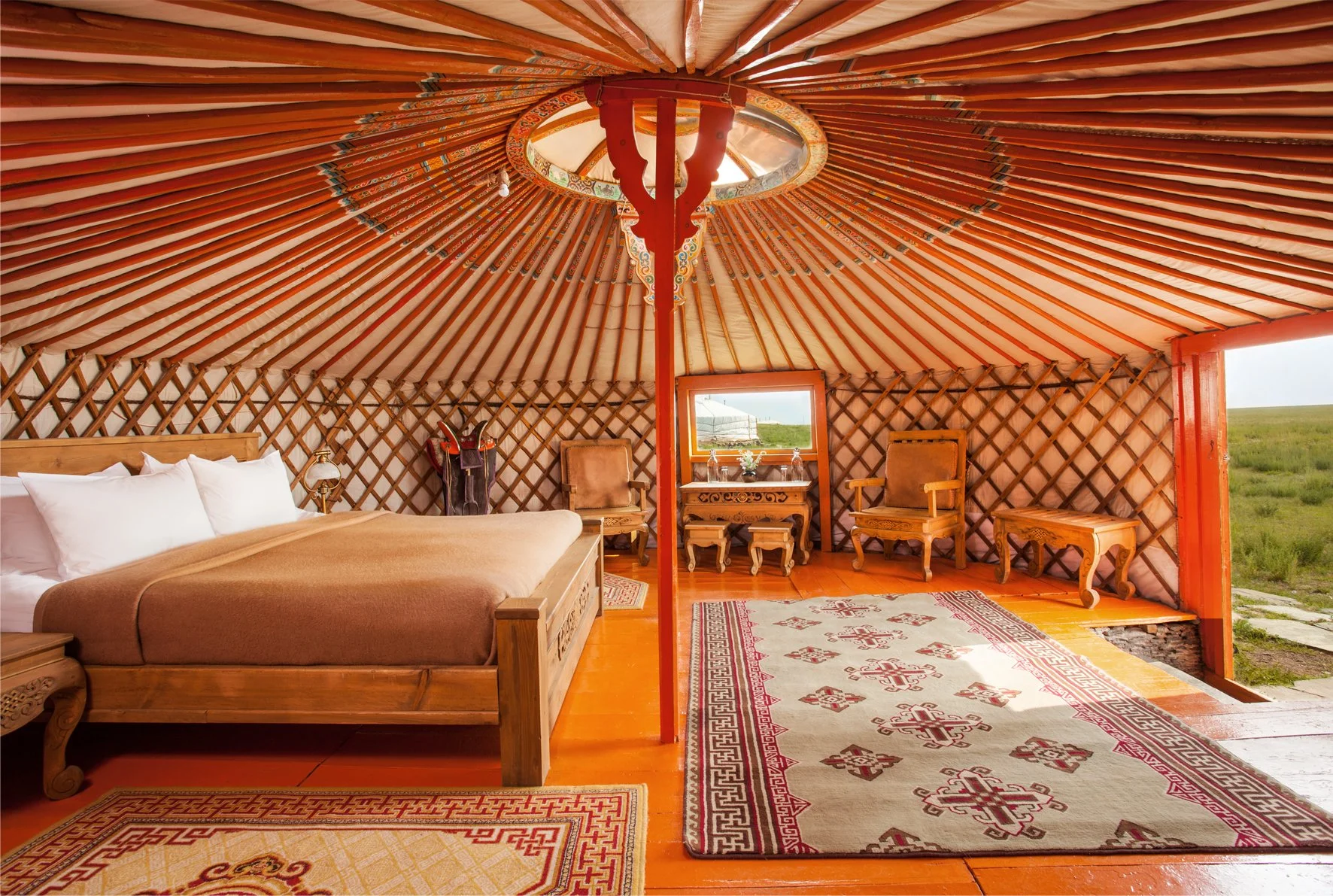
Mongolia: Luxury Ger Camps and the Endless Steppe
Mongolia is 603,000 square miles with a population of 3.3 million. Most of those people live in Ulaanbaatar. The rest of the country is grassland, mountains, and the Gobi Desert, inhabited by nomadic herders who move with their livestock seasonally.
You can't rush Mongolia. The distances are too vast. A "nearby" destination might be eight hours of driving on dirt roads (and while that might sound easy for an American, it's nice to go slow!). Mongolia forces you to slow down.
Luxury ger camps, permanent versions of the traditional nomadic tents, are scattered throughout the country. Three Camel Lodge in the Gobi Desert and Jalman Meadows in the central steppes offer the same hospitality Mongolian herders have practiced for centuries, but with proper beds, hot showers, and meals that combine nomadic traditions with contemporary technique.
You spend your days riding horses across grassland that stretches to the horizon, visiting herder families who'll invite you into their gers for milk tea and conversation (through your guide), and watching eagles hunt from your wrist during a falconry demonstration. At night, you sleep under stars so bright you can see the Milky Way's structure.
Three weeks lets you experience Mongolia's geographic diversity: the Gobi Desert's sand dunes and canyons, the central steppes where Genghis Khan's empire began, and the northern forests near Lake Khövsgöl. You'll spend days where you don't see another tourist. You'll learn that "empty" land is actually full of life when you know what to look for.
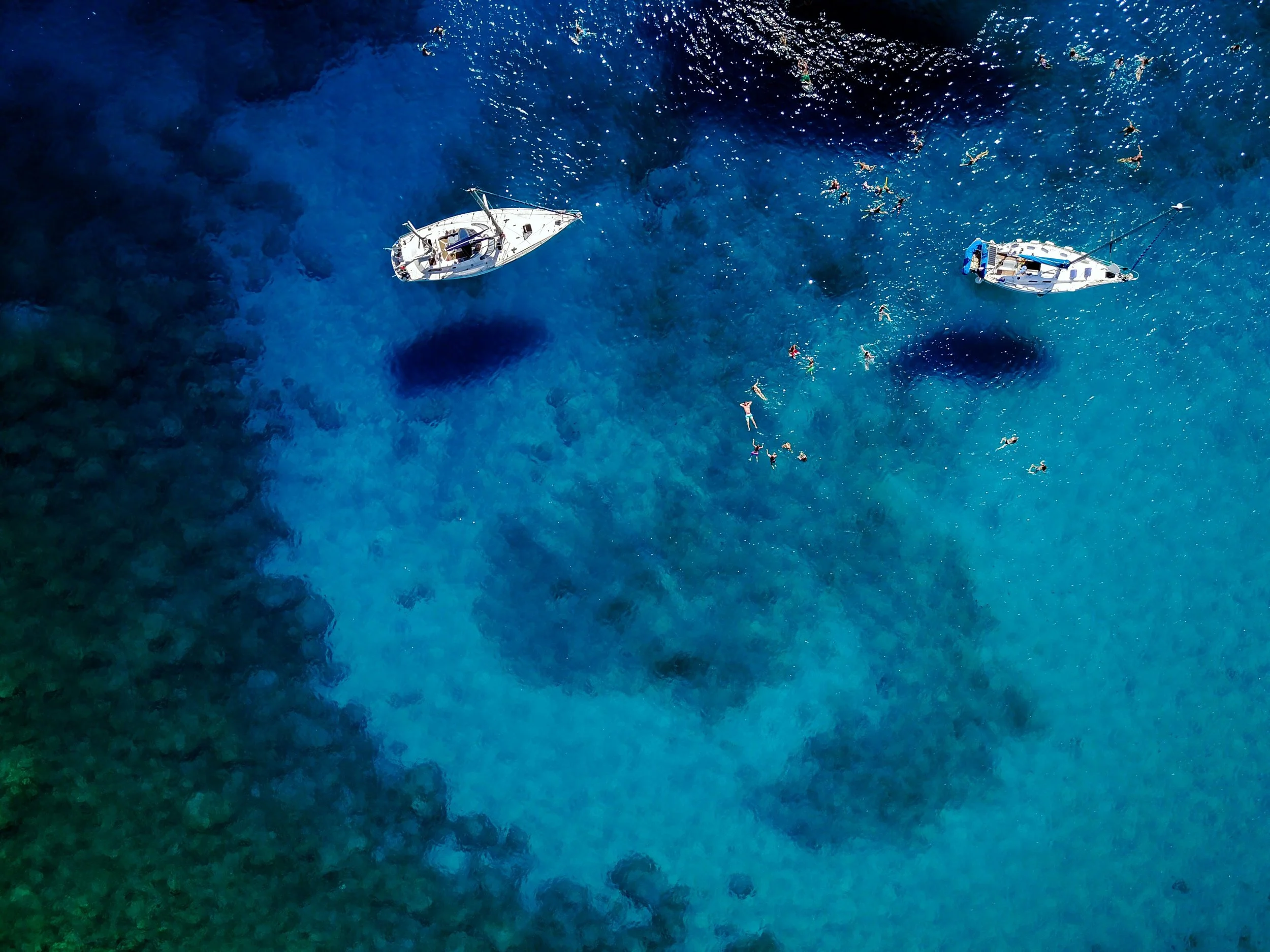
Island Hopping in Belize: Private Islands and Caribbean Time
Belize has over 200 islands, most of them small enough to walk around in an hour. Some have one resort. Some have one family. Some have nothing but mangroves and pelicans.
The slow travel approach here is simple: pick four or five islands, spend three to five days on each, and move between them by boat. You're not on a cruise ship schedule. You're setting your own pace, choosing when to move and when to stay.
Start at Cayo Espanto, a private island with seven villas and a staff that remembers how you take your coffee by the second morning. Spend five days snorkeling the Belize Barrier Reef (the second-largest in the world), kayaking through mangroves, and eating lobster that was swimming two hours before dinner.
Move to Placencia for a week, basing yourself at Turtle Inn (Francis Ford Coppola's Balinese-inspired beach resort). Placencia is a fishing village on a peninsula, not technically an island, but it feels remote enough. The rhythm here is simple: beach, snorkel, eat, read, repeat. Maybe take a day trip to the Cockscomb Basin jaguar preserve if you're feeling ambitious.
Finish at South Water Caye or Tobacco Caye, smaller islands where time stops completely. These are the islands where you meet locals who've lived there for generations, where dinner comes from whatever the fishermen caught that morning, where the biggest decision you'll make all day is whether to snorkel the reef before or after lunch.
Belize moves on "island time," a phrase that sounds like a cliché (and is a cliché) until you experience it. Boats leave when they're ready, not when the schedule says. Restaurants serve dinner when the fish arrives. The internet barely works, which is the point.
Why it works for slow travel: Island hopping sounds active, but the movement is so slow it becomes restful. You're trading one beach for another beach, one reef for another reef. The variety keeps you engaged without overwhelming you. And Caribbean culture (especially in Belize's Creole communities!) has been practicing slow living for centuries.
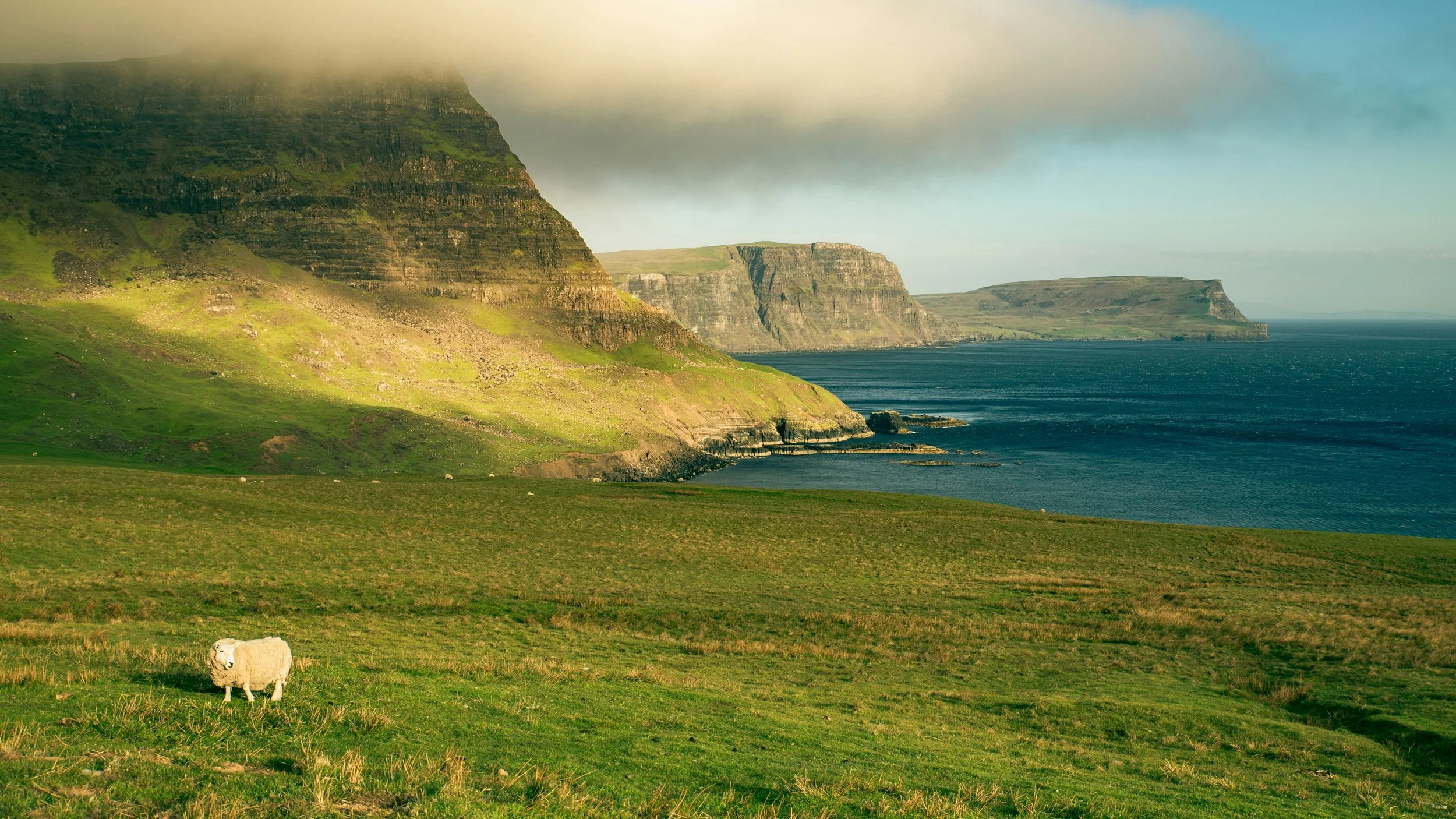
Scotland: Highlands, Islands, and the Journey as Destination
Scotland is the size of South Carolina but feels infinite. The Highlands, the islands, the lochs, the whisky regions, the castles, honestly, you could spend months here and still find villages you'd never heard of.
The key to slow travel in Scotland is choosing a region and exhausting it. Don't try to see everything. Pick the Isle of Skye and spend two weeks there. Or choose the Outer Hebrides, like Lewis, Harris, North Uist, South Uist, and ferry between them slowly. Or stay on the mainland, basing yourself in Fort William or Inverness, and day-trip to glens and castles and distilleries.
Scotland rewards the curious traveler who talks to people. The bartender at a pub in a village of 200 people will tell you about the hiking trail no one knows about. The woman running the B&B will explain why her family's been on this island for twelve generations. The distillery worker will pour you the whisky they don't export because there's not enough of it.
Three weeks gives you time to visit the Isle of Skye properly by hiking the Quiraing, driving the coast, eating at the Three Chimneys(one of Scotland's best restaurants), and staying at Toravaig House Hotel, a boutique property on Sleat Peninsula with views across the Sound of Sleat.
Then move to the Outer Hebrides for a week. These islands are where Scottish Gaelic is still spoken daily, where the beaches are white sand and turquoise water (but cold! This is the North Atlantic, oops), and where you'll see more sheep than people. Scarista House on Harris is a small luxury hotel in a former manse, serving five-course dinners made from whatever's fresh that day.
Finish with a week on the mainland, driving the North Coast 500 (Scotland's answer to Route 66) or staying in the Cairngorms and hiking Munros (mountains over 3,000 feet).
Why it works for slow travel: Scotland is fundamentally about the journey. Driving from one town to another takes twice as long as you'd expect because you keep stopping (for a view, for a castle ruin, for a flock of Highland cattle standing in the road!) The Scottish embrace this. They invented the concept of "getting lost on purpose."
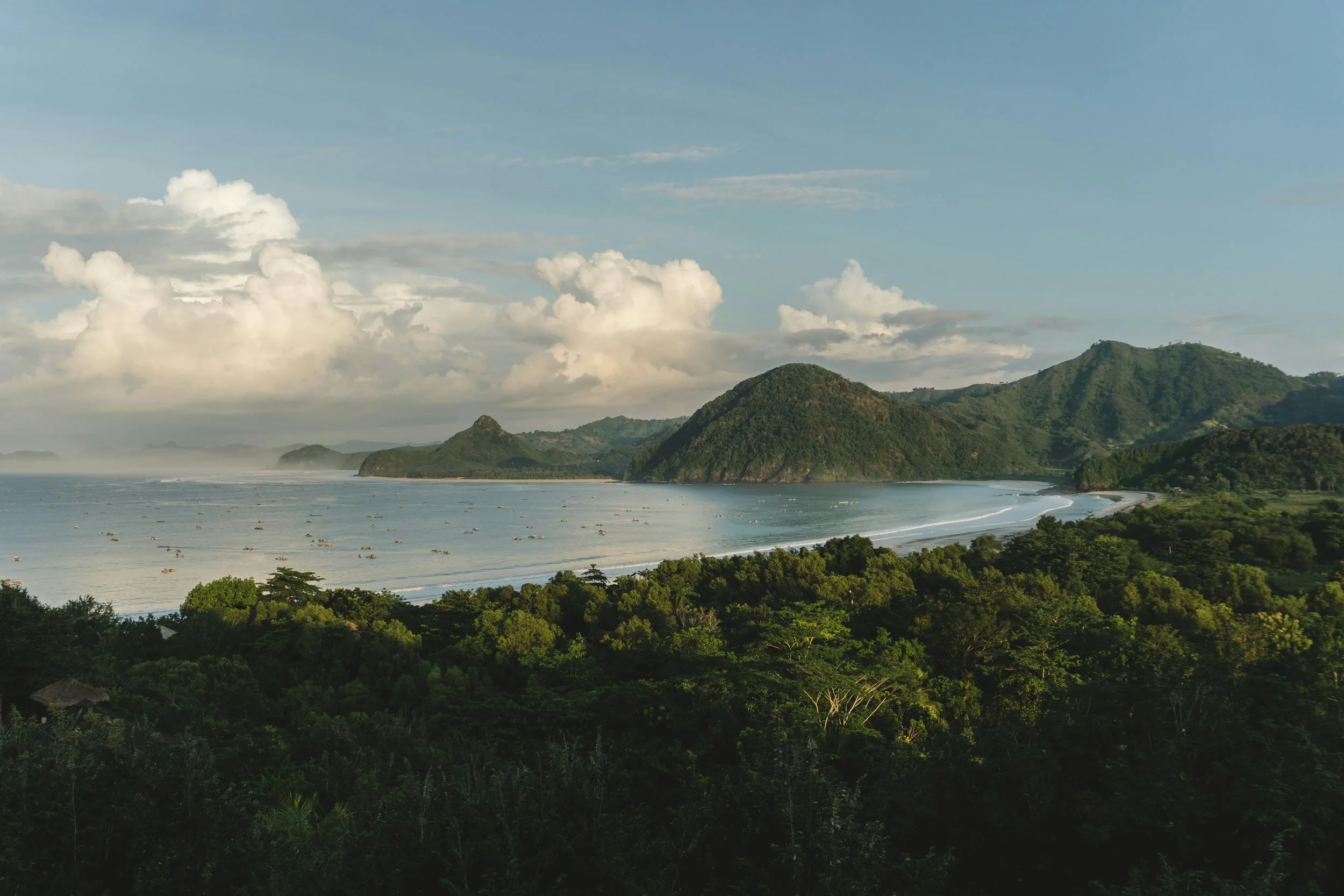
Costa Rica: Pura Vida and the Slow Rhythm of the Rainforest
Costa Rica's infrastructure, intentionally, keeps you moving slowly. A drive that's 80 miles on the map takes four hours because the roads wind through mountains and rainforest. This is a feature, not a bug.
The slow travel approach: Choose three or four micro-regions and spend a week in each. Start in the Osa Peninsula (the most biodiverse place in Central America), move to Monteverde (cloud forest), then finish on the Nicoya Peninsula (beaches and surf towns).
In the Osa Peninsula, base yourself at Lapa Rios, an eco-lodge on a private nature reserve. Spend a week hiking to waterfalls, kayaking through mangroves, and watching scarlet macaws from your bungalow's deck. The lodge employs local guides who've lived in the rainforest their entire lives. They'll show you poison dart frogs the size of your thumbnail and explain which plants indigenous communities use for medicine.
Monteverde is coffee farms, cloud forest, and hanging bridges through the canopy. Stay at Monteverde Lodge & Gardens, a naturalist-led property where you can take a private birding tour before breakfast. A week here gives you time to visit multiple reserves (Monteverde Cloud Forest, Santa Elena, Curi-Cancha), take a coffee tour at a family farm, and adjust to the rhythm of afternoon rains.
The Nicoya Peninsula is surf towns and yoga retreats. Florblanca Resort in Santa Teresa offers beachfront villas, daily yoga, and access to some of Central America's best surf breaks. Spend a week learning to surf, or just reading on the beach, or taking cooking classes where you learn to make proper Costa Rican gallo pinto.
Costa Rica operates on "tico time," AKA: similar to island time but with more sloths. Things happen when they happen. Fighting this will make you miserable. Accepting it will change how you approach time when you return home.
Why it works for slow travel: Costa Rica's national philosophy is "pura vida"—pure life. Locals use it as a greeting, a goodbye, and an answer to "how are you?" It means life is good, slow down, appreciate what's in front of you. The country has no army and has protected 25% of its land as national parks. They've been practicing slow, sustainable living since before it was trendy.

Spain's Basque Country: Culture, Food, and Staying Put
The Basque Country—spanning northern Spain and southwestern France—has seven provinces, three climates, and a language older than Latin that no one can definitively trace to any other language family. The culture is distinct, proud, and obsessed with food.
San Sebastián has more Michelin stars per capita than anywhere except Kyoto. But the real food culture is in the pintxos bars—small plates served on bread, standing-room-only bars where locals eat dinner over two hours, moving from bar to bar.
The slow travel approach: Base yourself in San Sebastián for two weeks. Stay at Hotel Maria Cristina, the belle époque property on the river, or Akelarre, a hotel and three-Michelin-star restaurant on the coast. Don't try to see all of Spain. Stay in this one city and learn it.
Spend your days taking cooking classes at the Mimo San Sebastián cooking school, surfing at Zurriola Beach, hiking Mount Urgull for views of the bay, and eating your way through the Parte Vieja (old town). Every evening, do the pintxos crawl—five or six bars, two pintxos and a glass of txakoli (local white wine) at each. You'll eat better food standing at a bar than you'd get at most countries' fancy restaurants.
Take day trips to Getaria (fishing village with incredible grilled seafood), Bilbao (Guggenheim Museum and more pintxos), and Hondarribia (medieval town on the French border). Then cross into French Basque Country for a week, basing yourself in Biarritz or Saint-Jean-de-Luz. The language shifts from Spanish to French, but the Basque culture remains constant.
Where to stay in France: Hôtel du Palais in Biarritz, Napoleon III's former summer palace, now a five-star hotel with ocean views and a two-Michelin-star restaurant.
Why it works for slow travel: Basque culture rewards repeat visits. The pintxos bar that seemed chaotic on night one becomes your favorite by night five, and by night ten, the bartender is saving you the last piece of his specialty. Food culture here is about ritual, repetition, and community—all slow travel principles.
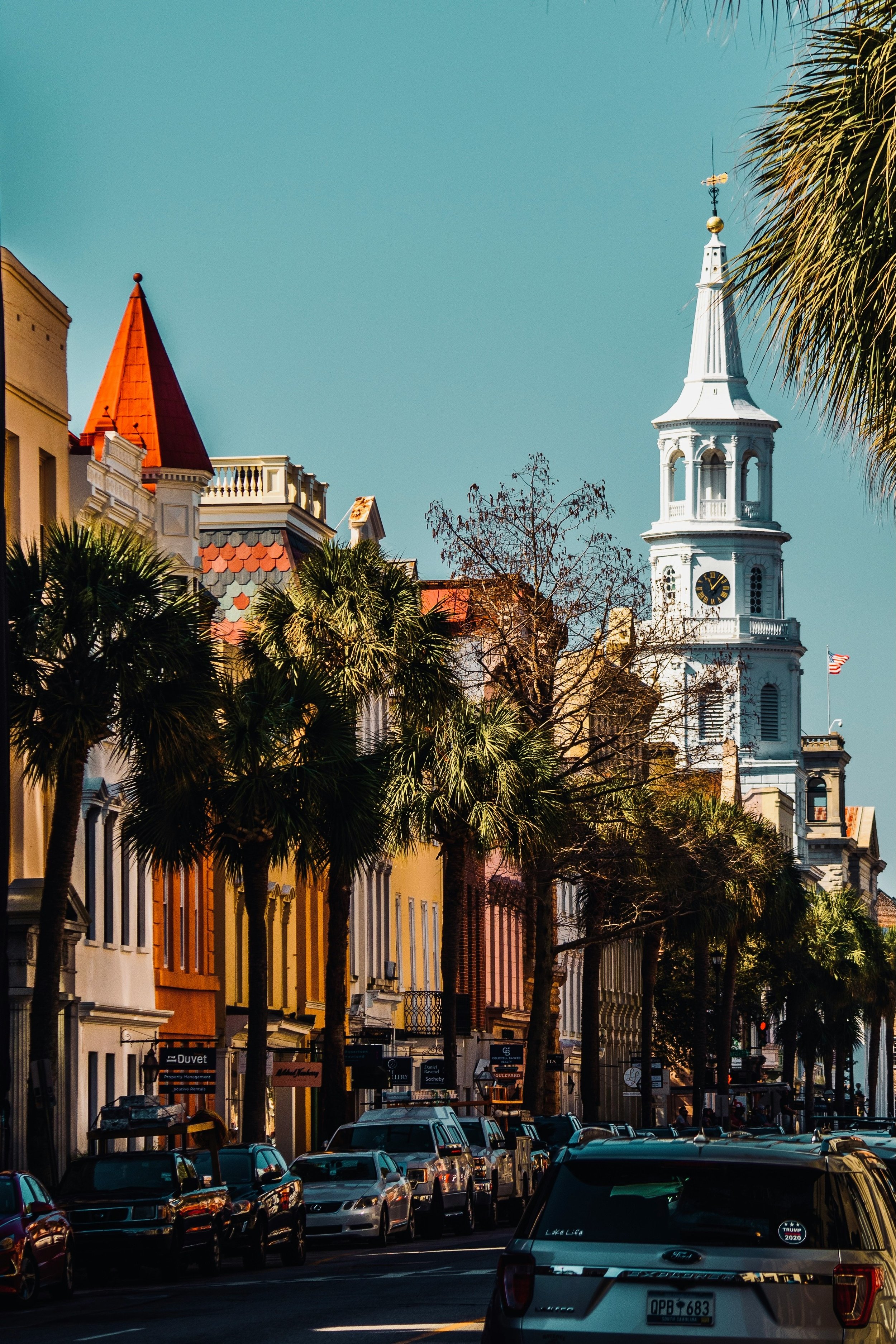
Charleston: Architecture, Art, and the Lowcountry Rhythm
Charleston moves slowly by design. The historic district's streets are narrow and one-way, which prevents traffic from speeding. The architecture is protected by strict preservation laws. The culture values manners, storytelling, and taking time to sit on the porch.
Two weeks in Charleston gives you time to understand the city's layers: the colonial history, the plantation economy built on enslaved labor, the Gullah-Geechee culture that preserved West African traditions, the contemporary art scene, and the food culture that's earned the city a reputation as America's culinary capital south of New York.
Stay at The Spectator Hotel, a 41-room boutique property in the French Quarter with a button in every room that summons a bartender to make you a cocktail. Or choose Zero George, a collection of historic houses turned into a luxury hotel with a garden courtyard and a restaurant that changes its menu daily based on what's available from local farms.
Spend your mornings taking architecture walking tours to understand why Charleston's "single houses" are built the way they are (to catch ocean breezes in the pre-air conditioning era). Spend afternoons visiting Gullah-Geechee cultural sites, including McLeod Plantation, where interpreters explain how enslaved people shaped Lowcountry culture through their knowledge of rice cultivation, basket weaving, and cuisine.
Take a sweetgrass basket-weaving workshop with one of the artists on the City Market. Visit the Halsey Institute of Contemporary Art at the College of Charleston. Eat at Husk (Sean Brock's love letter to Southern ingredients), The Ordinary (seafood hall), and Rodney Scott's BBQ (whole-hog barbecue from a pitmaster who won a James Beard Award).
Drive to the beaches, like Folly Beach for surfers and bohemians, Sullivan's Island for families and history buffs (Fort Sumter), Isle of Palms for quiet.
Why it works for slow travel: Charleston's culture is built on slowness. The heat and humidity force you to move at a different pace. The architecture demands that you stop and look up. The food scene rewards repeat visits—you can't eat at all the good restaurants in one trip, so you might as well settle in and try a few properly.
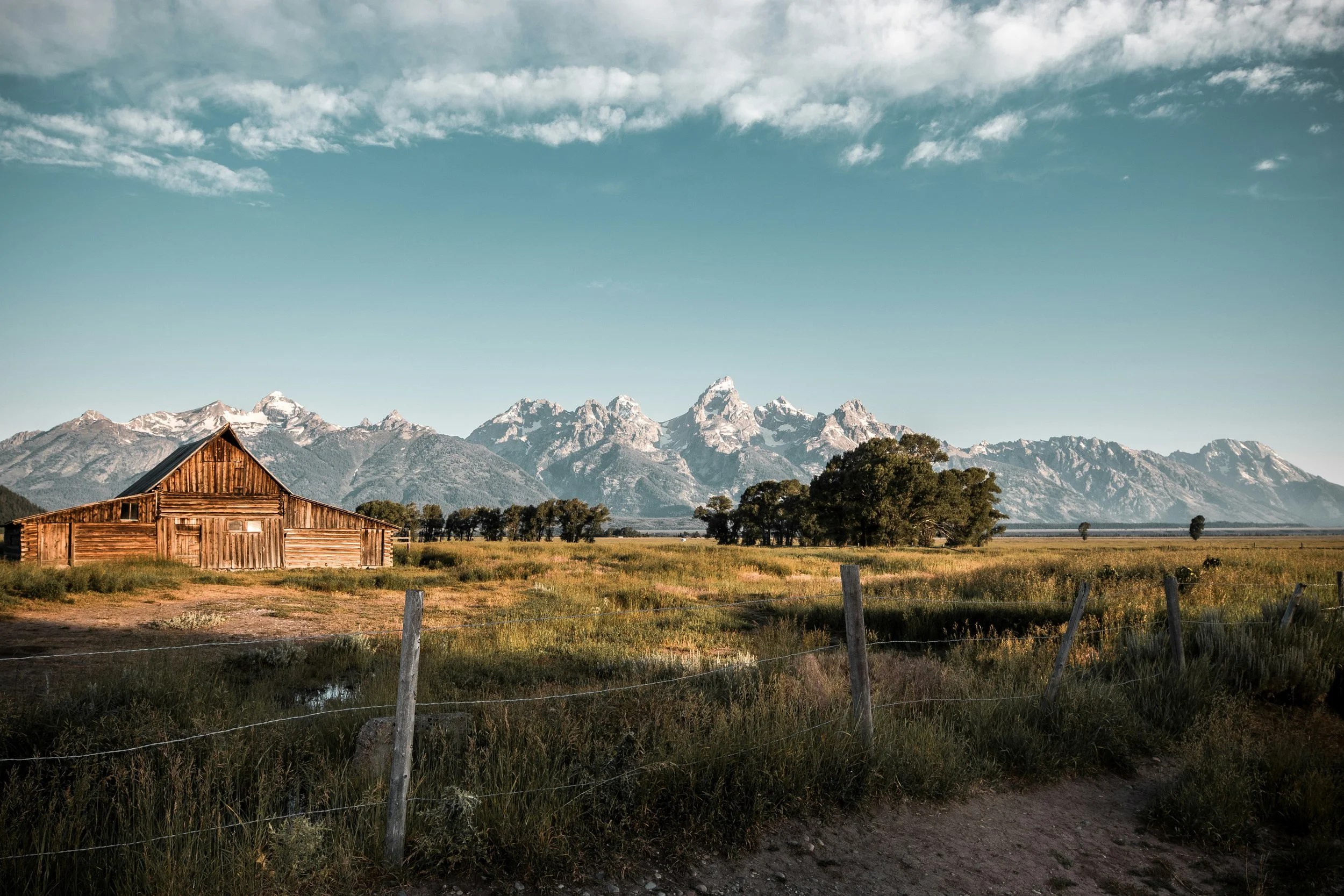
Jackson Hole: Summer in the New Aspen
Everyone knows Jackson Hole for skiing. But, if we're being honest, summer is the best time to go with wildflowers in the high meadows, fly fishing in the Snake River, hiking in Grand Teton National Park, and a surprising food and art scene that's positioned Jackson as "the new Aspen."
The slow travel approach: Rent a house for two or three weeks instead of staying in a hotel. Caldera House offers residences with full kitchens, private hot tubs, and concierge service that can arrange everything from guided fly fishing to private tours of Yellowstone.
Spend your days hiking in Grand Teton—the Cascade Canyon trail, the Paintbrush-Cascade loop if you're ambitious, or easier walks around Jenny Lake. Take a fly fishing lesson on the Snake River. Drive to Yellowstone (90 minutes north) and spend a full day watching bison, geysers, and thermal pools.
The art scene is better than you'd expect for a town of 10,000 people. The National Museum of Wildlife Art has 5,000 works spanning 2,000 years. Dozens of galleries on the town square show contemporary Western art, photography, and sculpture.
The food scene has gone from ski-town burgers to serious dining. The Kitchen sources everything from Wyoming ranches and farms. Gather serves modern American with an extensive wine list. Cafe Genevieve does elevated comfort food in a 1910 log cabin.
Two weeks gives you time to settle into the valley's rhythm with early mornings hiking before the heat, afternoons reading by the pool or fishing, evenings eating well and watching elk graze in the national elk refuge just outside town.
Why it works for slow travel: Summer in Jackson is the anti-Aspen. It's not crowded (yet). The pace is relaxed. You can spend days outside without seeing another hiker. The landscape is so stunning that you don't need to be constantly moving to new views, where you can sit in one spot for hours and watch the light change on the Tetons.
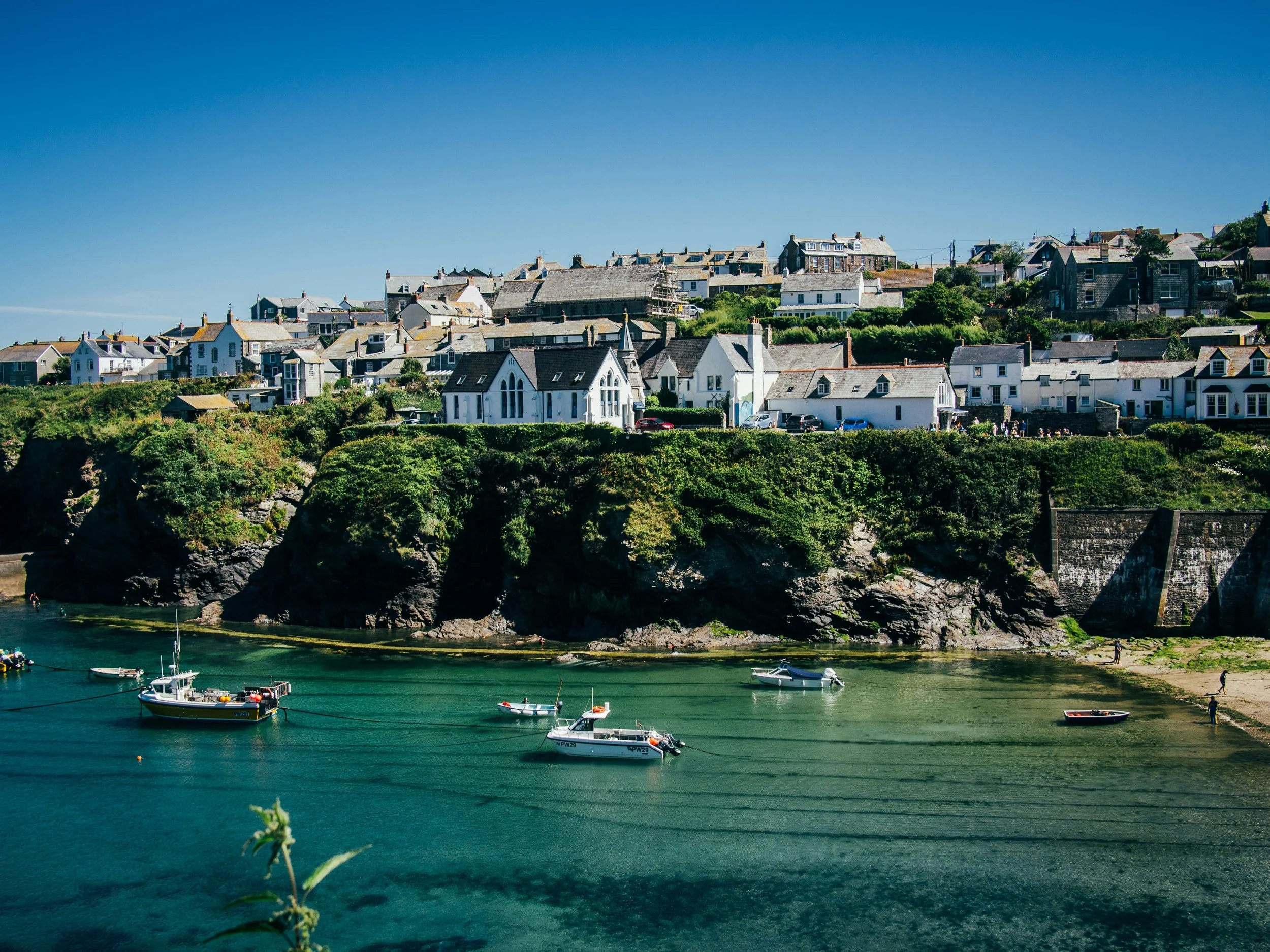
Cornwall: Coastal Roads, Surf Towns, and Summer in Southwest England
Cornwall is a peninsula in Southwest England that juts into the Atlantic. The coastline is 422 miles of cliffs, beaches, fishing villages, and surf breaks. The locals are famously friendly—they'll give you directions, recommend their favorite pub, and explain why the Cornish pasty is a protected food (seriously, it has EU Protected Geographical Indication status).
The slow travel approach: Start in Padstow, Rick Stein's town. Stein built his restaurant empire here, and while his properties are now tourist destinations, the town itself remains a working fishing port. Stay at The Seafood Restaurant Rooms (Stein's original property) or Trevone House, a smaller boutique hotel just outside town.
Spend a week in the Padstow area. Take the coastal path to nearby villages. Eat at the restaurants Stein made famous, but also hit the pubs where fishermen drink. Take a day trip to Port Isaac, where you can eat seafood on the harbor and hike the cliffs.
Move west to St. Ives, the artist colony turned beach town. The Tate St. Ives has one of Britain's best modern art collections. The beaches are some of Cornwall's finest. The light here is different and is what has attracted generations of artists throughout the years.
Stay at Tide House, a boutique hotel in a 16th-century building with five suites, a Michelin-recommended restaurant, and a commitment to showcasing Cornish ingredients. Spend a week here, surfing Porthmeor, visiting artists' studios, and taking the coast path to nearby coves.
Finish in the far west by Land's End, Penzance, Mousehole. This is the Cornwall that still feels remote, where villages have 200 people and harbor seals sun themselves on the rocks. The Old Coastguard Hotel in Mousehole is perfectly positioned with clifftop views, a garden that grows ingredients for the restaurant, and rooms where you can watch the ocean tides.
Why it works for slow travel: Cornwall's geography forces you to slow down. The roads are narrow, winding, and built for horses, not cars. Villages are close together on the map but take an hour to reach because you're driving 20 miles per hour through hedgerows. The British summer is famously short, so locals have perfected the art of savoring it. Long evenings, pub gardens, coastal walks that take all afternoon. You can't rush Cornwall. The peninsula won't let you.
The Art of Slow Travel in 2026
These eleven destinations share common traits: they reward patience, they reveal themselves slowly, and they're all places where rushing would mean missing the point entirely.
Slow travel is a different kind of adventure. One where you're present enough to notice things, curious enough to follow tangents, and patient enough to let experiences unfold naturally instead of forcing them into a schedule.
Whether you're taking a two-week train journey across China, spending a month island-hopping in Belize, or basing yourself in San Sebastián to learn Basque food culture, the principle remains the same. Slow down. Stay longer. Pay attention.
Looking to plan your own slow travel journey in 2026? These destinations are just the beginning. From luxury train routes to remote island stays, the key is choosing places that encourage you to linger—and giving yourself permission to actually do it.