Culture, Alps & Castles: The Heart of Europe
Prices starting at $4,500 per person
A journey through Europe’s storybook heart—from Bavarian castles to Alpine peaks and riverside cafés.
From Munich’s lively beer halls to Salzburg’s baroque beauty and Strasbourg’s riverside charm, this 14-day journey captures the essence of Central Europe. Explore the cultural capitals of Germany, Switzerland, France, and Austria at a relaxed pace. Marvel at fairytale castles, sip wine by the Alps, stroll cobblestone streets, and experience timeless traditions in each stop along the way. With guided city walks, rail journeys, and scenic day trips, this itinerary blends history, art, and nature into one unforgettable adventure through the heart of Europe.
Top 6 Highlights of the Heart of Europe
Munich: The Spirit of Bavaria
Discover grand squares, royal palaces, and cozy beer gardens on a walking tour through Munich’s historic center.Neuschwanstein & Linderhof Castles
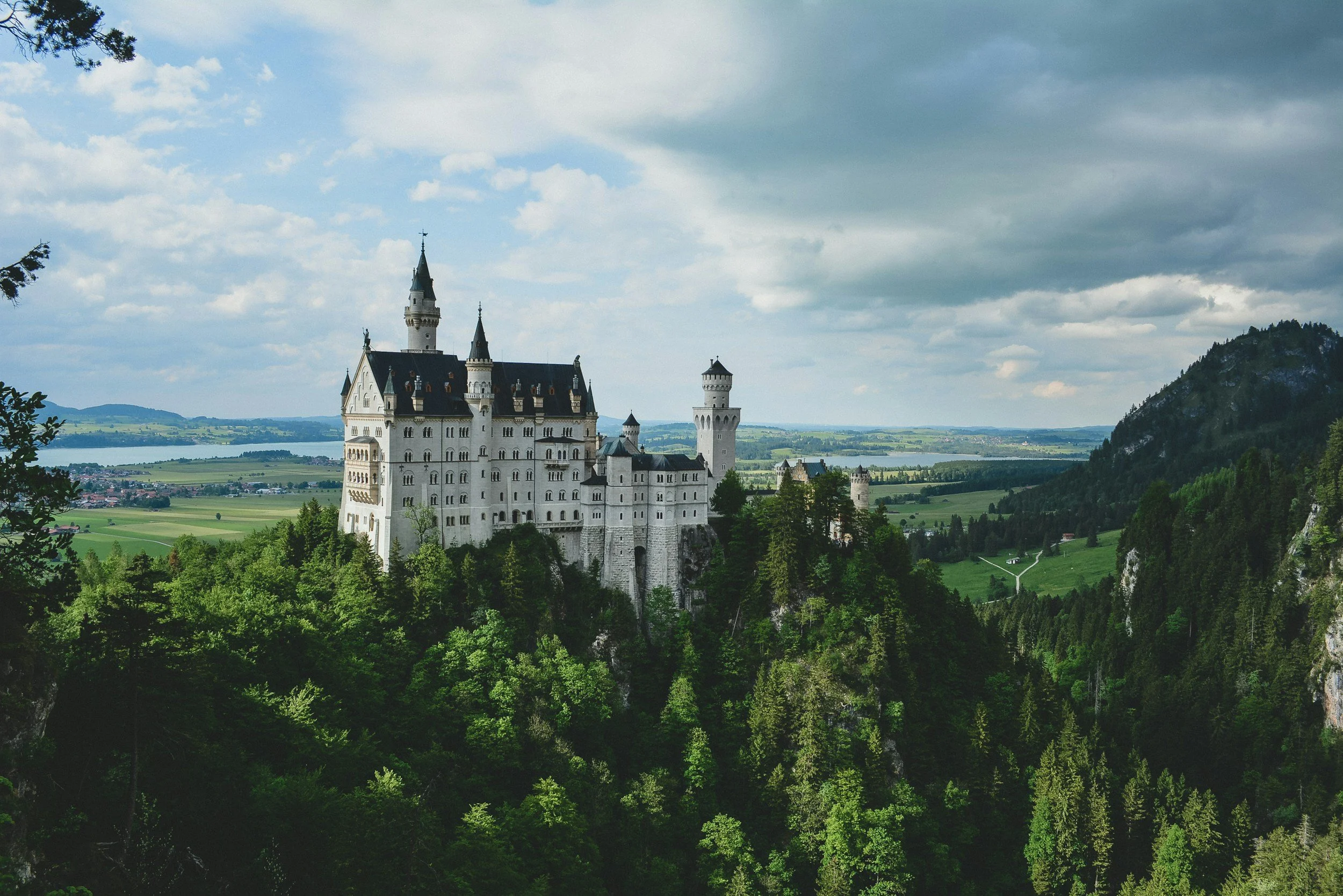
Step into King Ludwig II’s fantasy world with visits to Bavaria’s most spectacular palaces framed by Alpine peaks.Zurich & Swiss Chocolate
Wander Zurich’s charming Old Town, then indulge in the artistry of Swiss chocolate at the famous Lindt Museum.
Interlaken & the Alps
Ride mountain gondolas, take in the stunning scenery, and enjoy alpine adventures in Switzerland’s lakeside gem.Strasbourg: Where France Meets Germany
Explore timber-framed houses, cruise the canals, and savor Alsatian specialties on a guided food and wine tour.Salzburg & Hallstatt
Relive The Sound of Music, attend a Mozart concert, and visit Hallstatt—Austria’s picture-perfect lakeside village.
14 Days in the Heart of the Europe
-
Land in Bavaria's capital and check into your hotel before an afternoon walking tour that covers the ground floor of the city — Marienplatz and its famous Glockenspiel, the Viktualienmarkt, the grand boulevards of the old town. The evening ends at a traditional beer hall, which is exactly the right way to arrive in Munich.
-
A free day to use however the city calls you. The Deutsches Museum is one of the largest science and technology museums in the world and worth most of a day on its own. The English Garden is larger than Central Park and has a river surfing wave running through it year-round. The Nymphenburg Palace grounds are worth the tram ride. Or simply find a café, pick a neighborhood, and let Munich work on you.
-
The drive into the Alps takes you to two of Bavaria's most extraordinary buildings. Neuschwanstein was commissioned by King Ludwig II in 1869 as a personal retreat and romantic fantasy — it was never finished in his lifetime, and he lived in it for a total of 172 days before his mysterious death in 1886. Walt Disney used it as the model for Sleeping Beauty's castle, which tells you something about the impression it makes. Linderhof, Ludwig's smaller and more intimate palace, was the only one of his three projects he actually completed. The mountain scenery surrounding both is reason enough to make the journey.
-
The train journey southwest through southern Germany is one of the more scenic rail routes in the region. A stop in Ravensburg breaks the journey at the hometown of the famous Ravensburger puzzle and game company, where the museum gives you considerably more context on the brand's history than you'd expect. On to Zurich by evening for a night at leisure in Switzerland's largest city.
-
A morning walk through Zurich's Old Town with a local guide covers the medieval guildhalls, the twin towers of the Grossmünster, and the lake views that make this one of Europe's most consistently liveable cities. Then the Lindt Home of Chocolate — a proper museum dedicated to the history and craft of Swiss chocolate, with a self-guided tasting experience that requires no convincing. The afternoon train to Interlaken deposits you between Lake Thun and Lake Brienz, with the Bernese Alps filling the horizon in every direction.
-
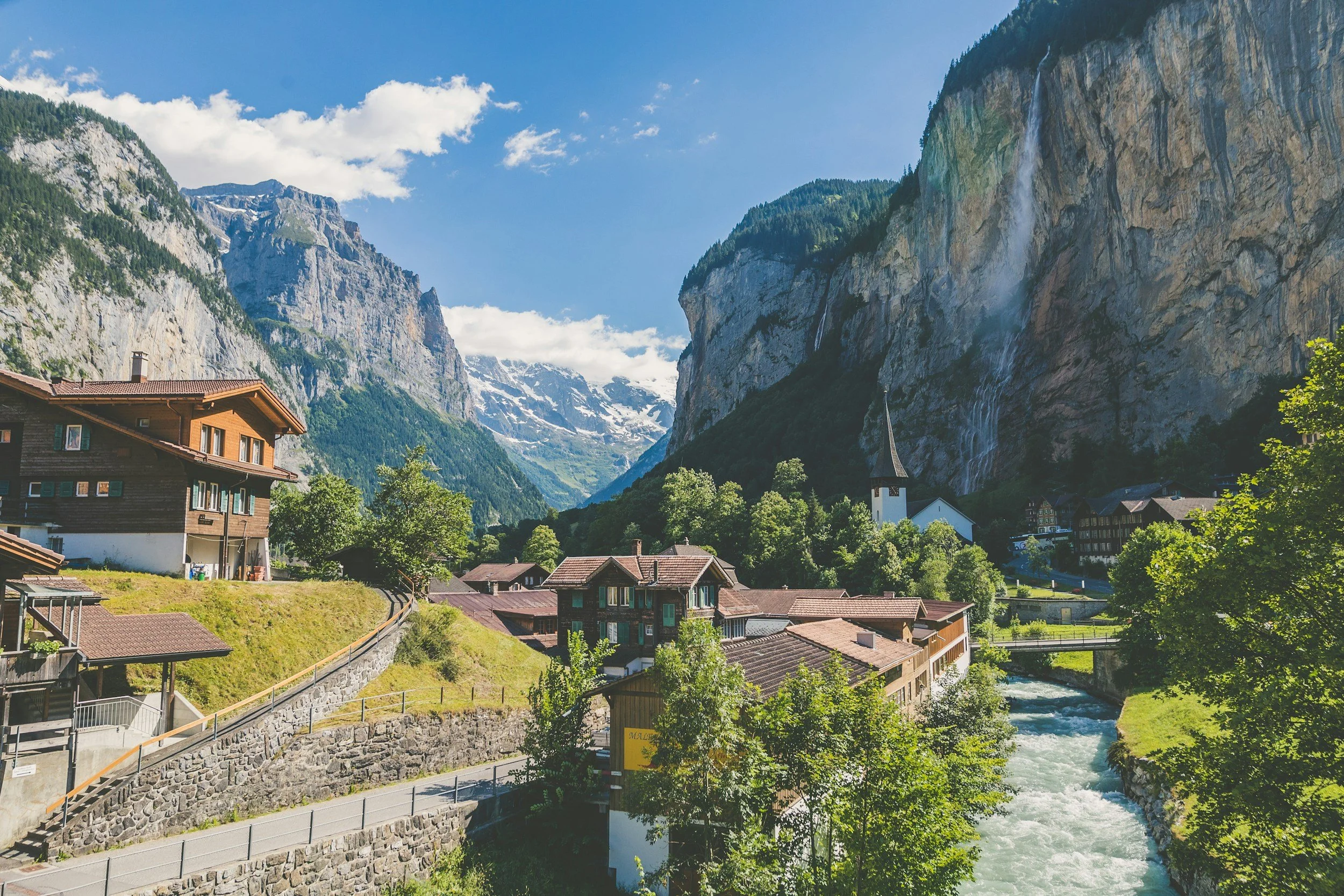
Grindelwald sits at the foot of the Eiger's north face, one of the most famous and feared walls in mountaineering history. The First Adventure area above the village is reached by gondola and offers hiking trails, the First Cliff Walk along the ridge, and views across the Grindelwald glacier and the Wetterhorn that are as good as the Swiss Alps get. The pace is yours — this is as much a day for sitting on a terrace and staring at mountains as it is for anything more ambitious.
-
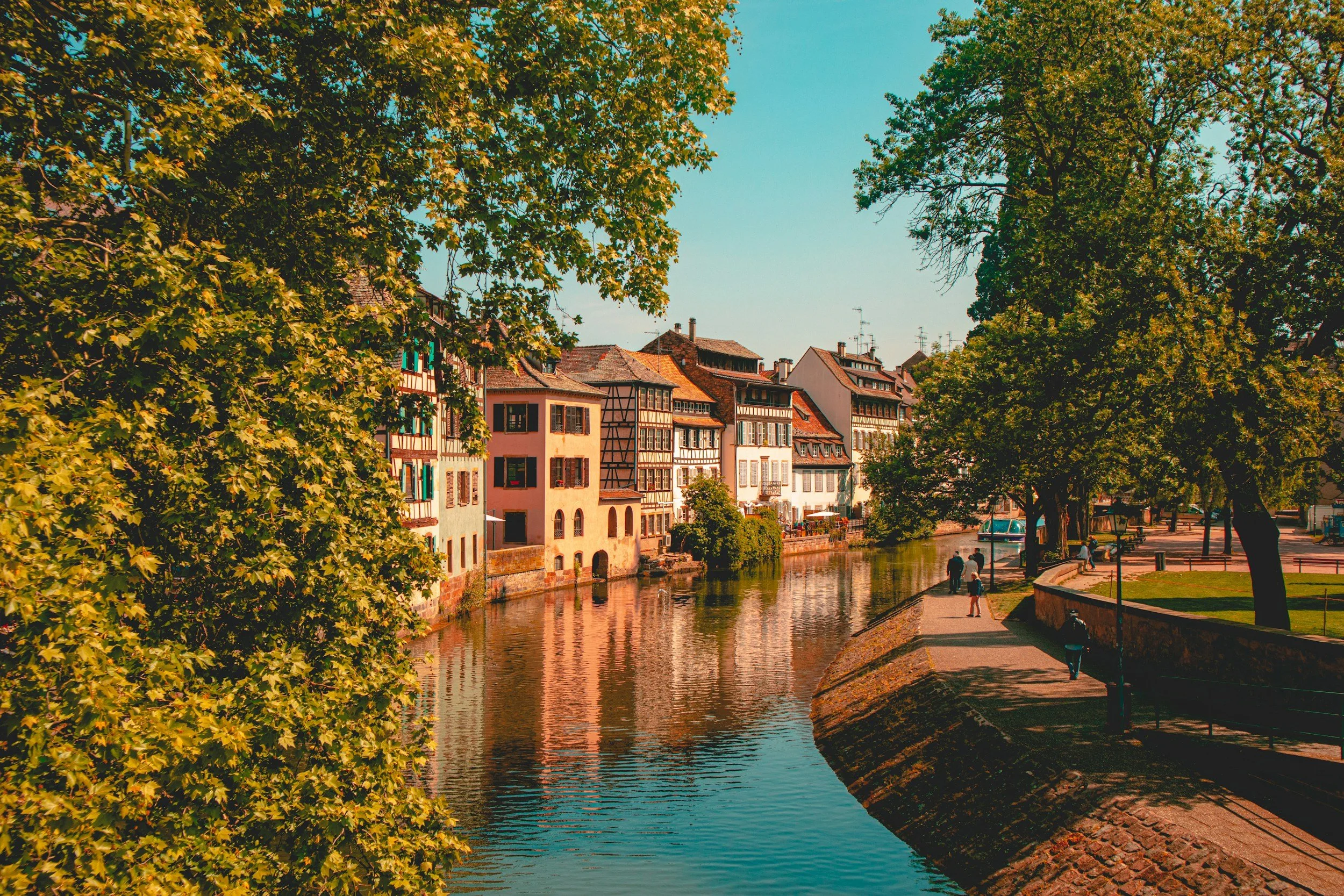
Cross the border into Alsace and arrive in Strasbourg, a city that has spent much of its history passing between France and Germany and has ended up with an architecture, a cuisine and a culture that belongs entirely to itself. An afternoon walking tour through Petite France — the medieval tanner's quarter of canals, half-timbered houses and flower boxes — and the area around the Cathedral, whose gothic spire was the tallest structure in the world for 227 years.
-
Alsatian food is its own tradition and worth understanding properly before you eat it. A guided food tour through Strasbourg's markets and specialist producers covers the region's most distinctive offerings — kougelhopf, the brioche-style cake baked in a distinctive ring mould. Tarte flambée, the Alsatian answer to pizza, topped with crème fraîche, onions and lardons and cooked in a wood-fired oven. Munster cheese, Alsatian charcuterie, the local Rieslings and Gewurztraminers that bear almost no resemblance to their German counterparts. The evening closes with a canal boat tour through the illuminated waterways of Petite France.
-
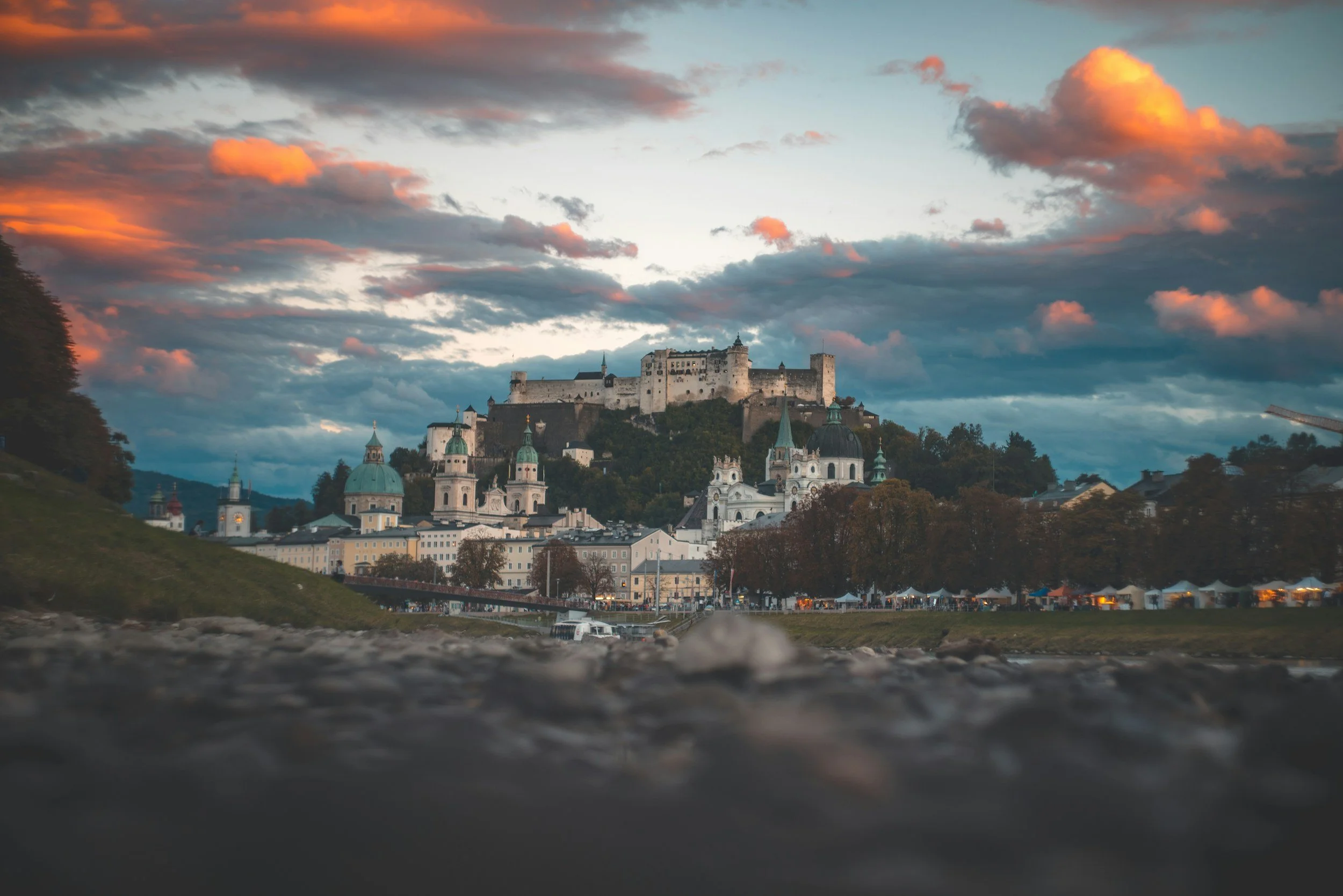
The rail journey east through Germany and into Austria delivers you to Salzburg by early evening — a city of baroque architecture, mountain backdrops and an almost aggressive density of musical history per square kilometre. Mozart was born here in 1756. The Salzburg Festival, held every summer since 1920, is one of the most prestigious performing arts events in the world. An optional marionette performance in the evening is the right introduction to a city that takes its cultural traditions seriously.
-
The Sound of Music was filmed extensively in and around Salzburg in 1964, and the locations — the Mirabell Gardens, the Nonnberg Abbey, the lake district south of the city — are woven into the fabric of a place that would be worth visiting regardless. A themed tour covers both the filming locations and the baroque landmarks that define the city's architectural character: the Residenz, the Cathedral, the Getreidegasse. The afternoon is free to explore the Hohensalzburg Fortress above the old town, or simply to wander.
-
A slower morning before a self-guided Mozart walking tour that takes in his birthplace on Getreidegasse, his family's later apartment at Makartplatz, and the various churches and concert halls where his work was first performed. The evening is the highlight: a classical concert in the Marble Hall of Mirabell Palace, where Mozart himself performed as a child.
-
The Salzkammergut lake district southeast of Salzburg is one of the more quietly extraordinary landscapes in central Europe. Hallstatt sits on the western shore of the Hallstätter See, hemmed between the water and a near-vertical mountain face, and has been continuously inhabited for over 7,000 years — the salt mine above the village is the oldest in the world still in operation. The UNESCO listing, the pastel lakeside chalets, the skywalk above the village with views down the valley, and the particular quality of light on the water in the afternoon make this one of the most photographed villages in Europe and one of the few that earns it.
-
The train returns you to Munich for a final night in Bavaria. A last Bavarian dinner — Schweinsbraten, Weisswurst, another Mass of Helles — and a chance to sit with everything the past two weeks have produced before the journey home.
-
Transfer to the airport for your flight home.