The Italian Icons Tour
Prices starting at $21,000 per person
From Venice’s canals to Capri’s cliffs—experience Italy’s timeless beauty in one unforgettable journey.
This grand Italian journey captures the essence of the country’s most beloved regions, from the romance of Venice to the rolling hills of Tuscany and the glamour of the Amalfi Coast. Designed for those who want to experience Italy in depth and in comfort, the itinerary moves seamlessly through iconic cities, tranquil countryside, and breathtaking coastlines. Each stop offers a blend of history, culture, and scenery, paired with private tours and curated experiences that reveal the heart of Italy’s artistry and charm.
Top 6 Highlights of Italian Icons
Venice by Gondola
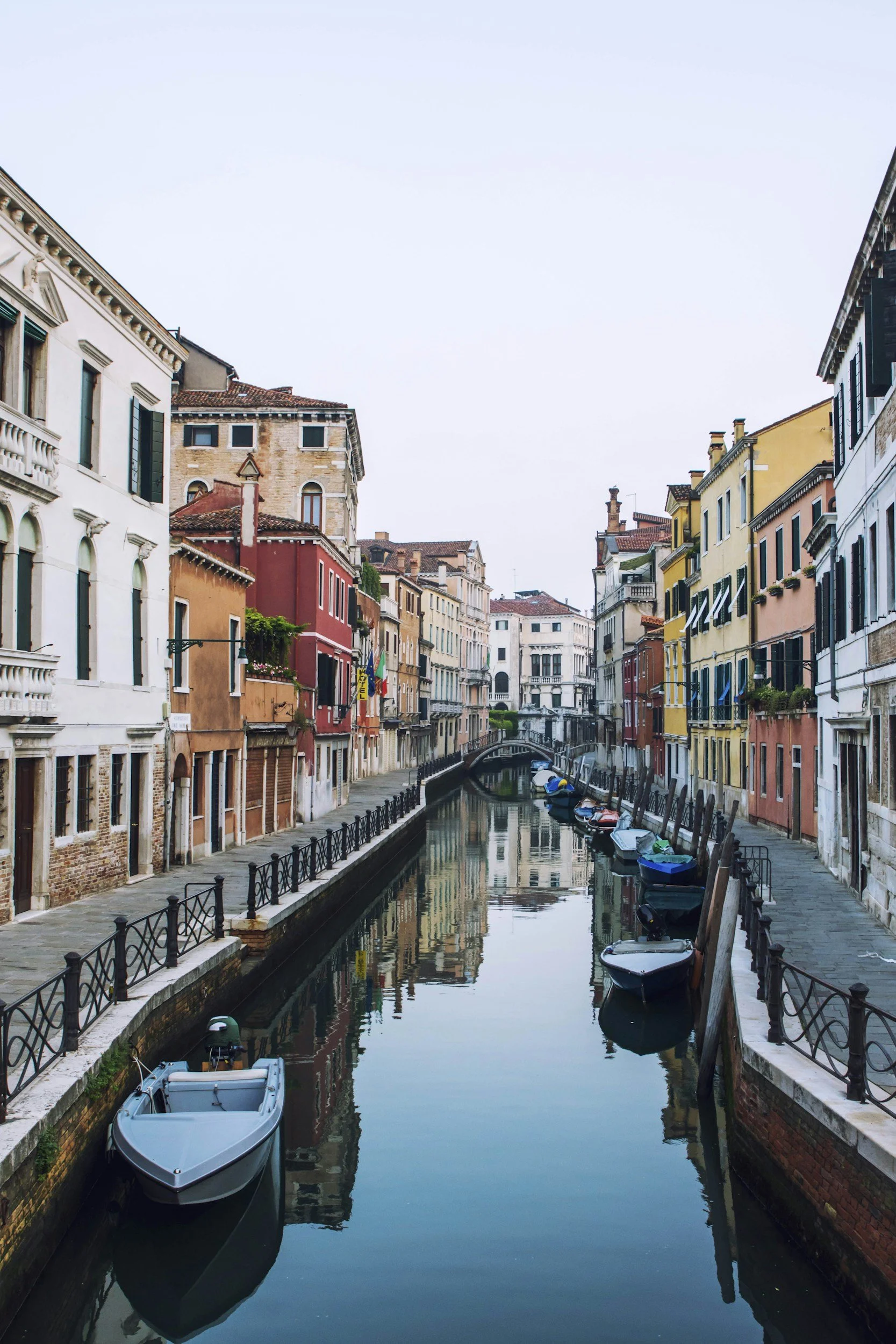
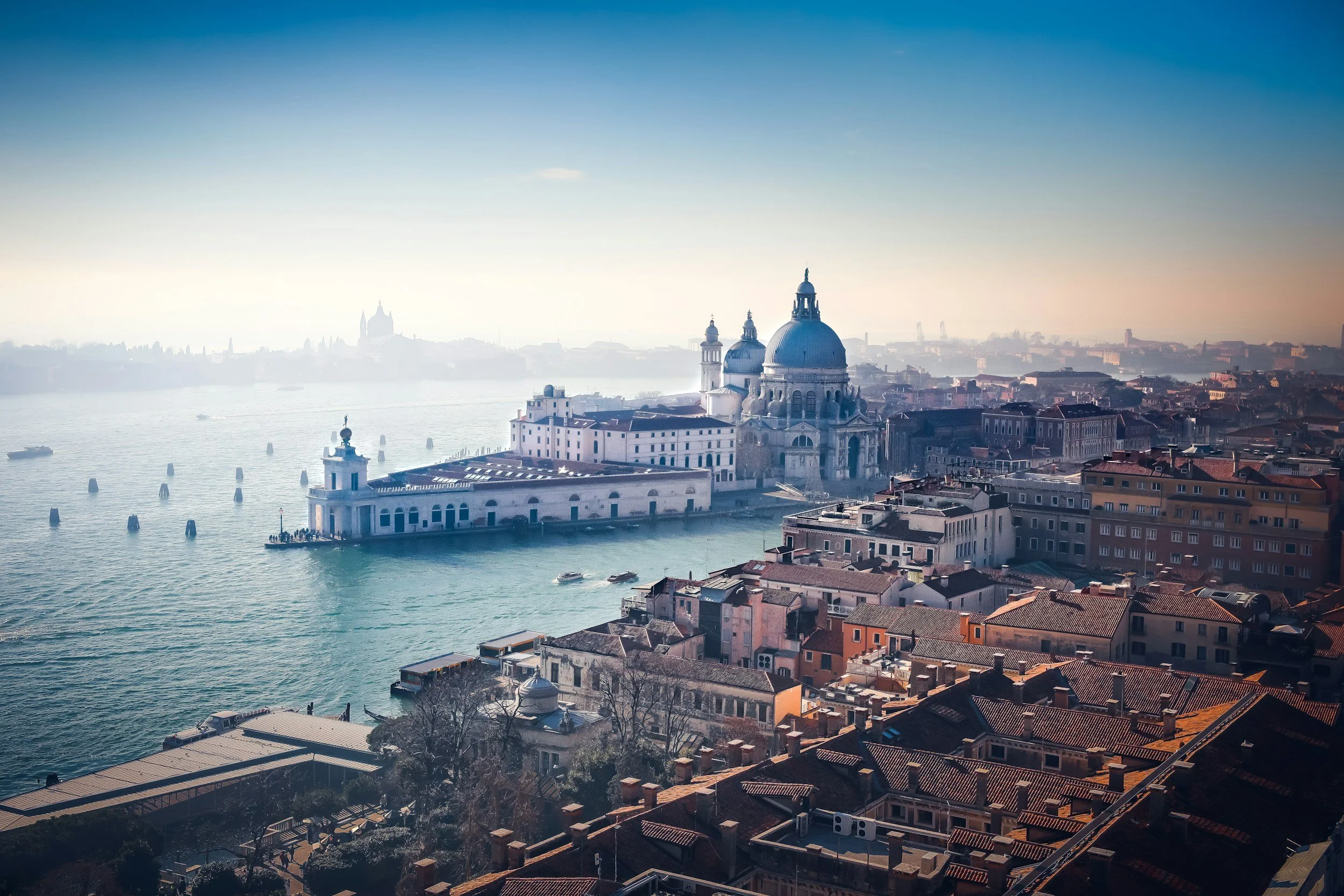
Glide along quiet canals and the majestic Grand Canal, surrounded by centuries of Venetian architecture and history.Lake Como Cruise
Explore the elegance of Lake Como on a private wooden boat, taking in lakefront villas, gardens, and panoramic Alpine views.Florence’s Artistic Heritage
Stroll through Renaissance streets with an expert guide who brings the city’s art, architecture, and legacy to life.
Tuscany’s Wine Country
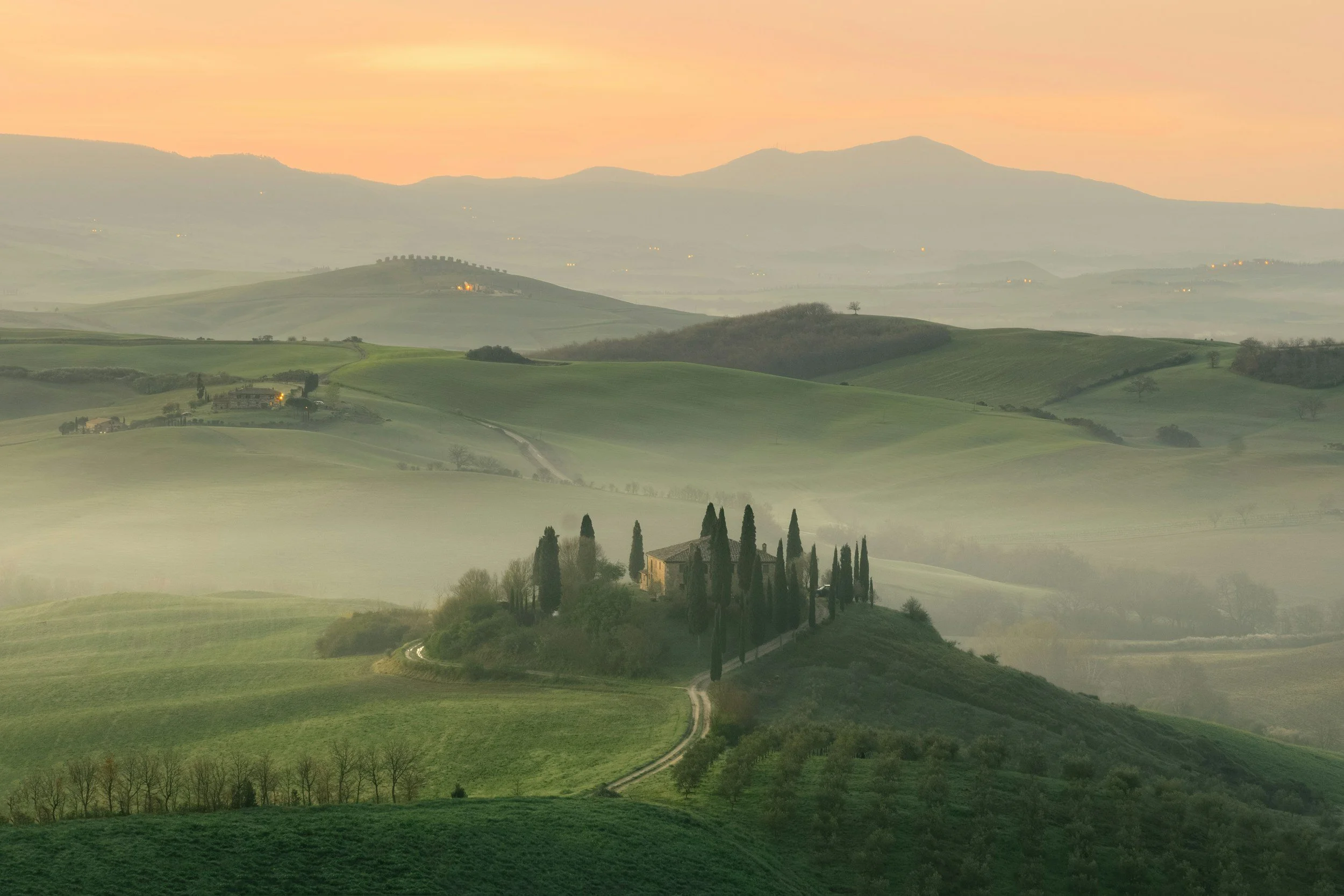
Savor the flavors of Tuscany at local vineyards and hilltop villages where wine, history, and scenery meet.Rome’s Ancient Glory
Walk in the footsteps of emperors at the Colosseum and Roman Forum, then stand beneath Michelangelo’s masterpiece in the Sistine Chapel.Amalfi Coast and Capri Escape
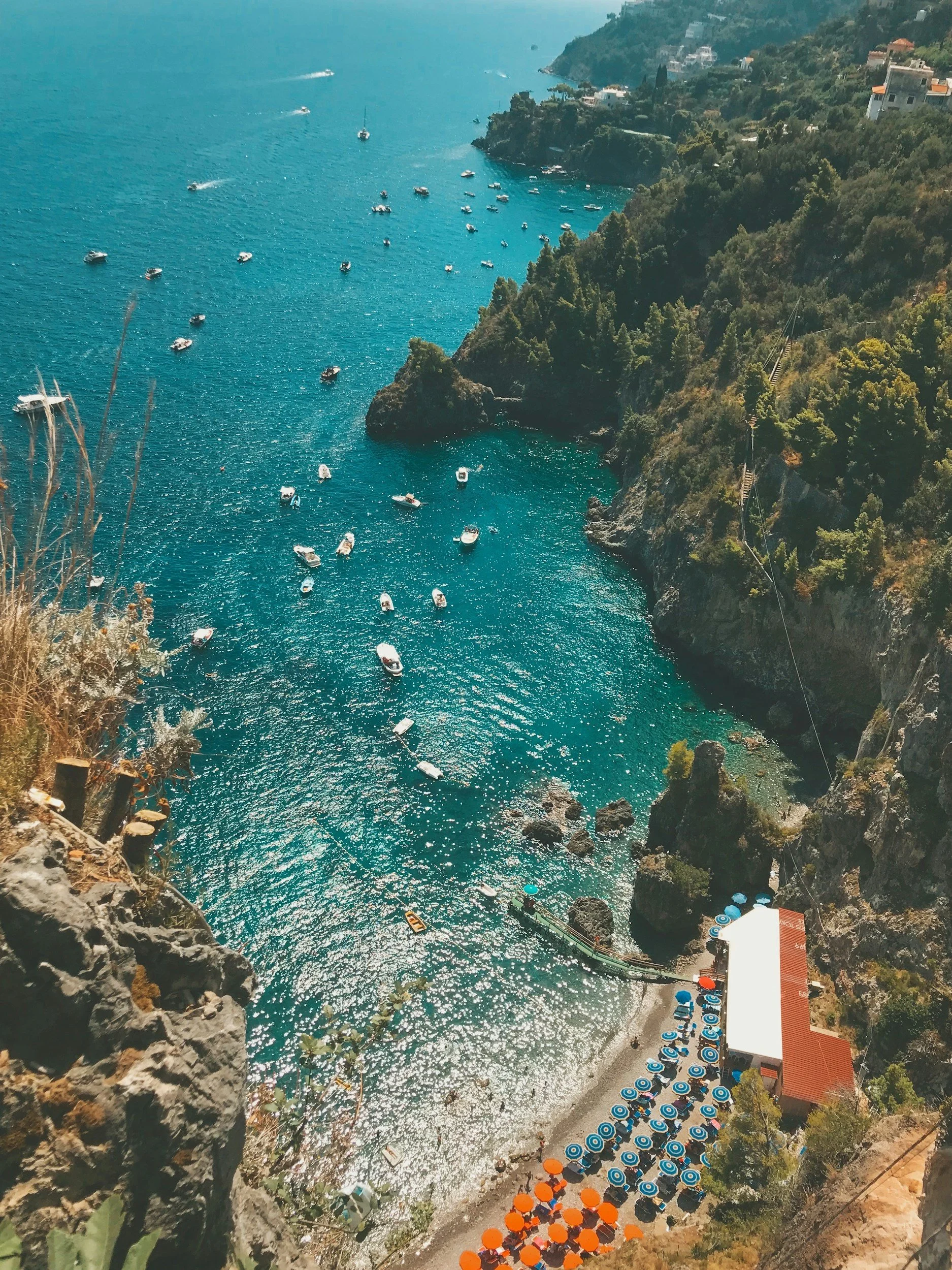
Cruise azure waters, explore pastel villages, and relax on the world-famous cliffs of Positano and Capri.
15 Days in Italy
-
Your water taxi meets you at the airport and takes you straight into the city across the lagoon — the correct way to arrive in Venice and genuinely one of the better airport transfers in the world. The afternoon is for wandering without an agenda: bridges, dead ends, the particular quiet of a city with no cars. An evening gondola ride through the smaller canals as the light drops is the kind of thing that sounds touristy until you're actually doing it.
-
The train to Milan and then north to the lake takes the better part of the morning, and the arrival into Como is the first moment the Alps announce themselves properly. The afternoon goes onto the water aboard a private wooden Riva — the vintage lake boats that have been ferrying guests between these shores since the 1950s — calling in at the villa-lined banks and the lakeside towns that have been drawing people here for centuries. Bellagio, Varenna, Tremezzo: all worth the stop, all better understood from the water than the road.
-
The journey south to Florence takes you into a different Italy entirely. A private walking tour through the historic center covers the ground that matters — the Duomo and Baptistery, the Piazza della Signoria, the Ponte Vecchio — with enough context to make sense of why Florence produced so much of what the Renaissance actually was. The architecture here isn't backdrop. It's the point.
-
Florence rewards slow attention more than almost any city in Italy. The Uffizi if you haven't been, or the Accademia to stand in front of the David with enough time to actually look at it. The Oltrarno neighborhood across the river for artisan workshops, leather goods made on the premises, and considerably fewer tour groups than the north bank. The Mercato Centrale for lunch. A long afternoon in whichever direction the city pulls you.
-
The drive into the Tuscan countryside takes about an hour and feels like arriving somewhere that has been waiting. Two days based among the vineyards and medieval hill towns of the Val d'Orcia, starting with a stop at a family-run estate for a tasting and a lunch that takes most of the afternoon. The kind of meal where the olive oil comes from the trees outside and the wine comes from the slope you drove past on the way in.
-
Montepulciano sits on a ridge above the valley and produces one of Tuscany's most serious red wines — Vino Nobile, made from Sangiovese and aged in oak for a minimum of two years before it's released. Pienza is ten minutes away and a different kind of remarkable: a Renaissance ideal city built to order by Pope Pius II in the 1460s and barely changed since. The pecorino cheese produced in the surrounding valley is as much a reason to go as the architecture. The views across the Val d'Orcia from either town are the ones that end up on the wall when you get home.
-
The train to Rome deposits you into a city operating at a completely different frequency. A guided exploration of Ancient Rome covers the Colosseum and the Roman Forum — not a fast walk-through but enough time to understand what you're actually standing in. The Forum was the civic center of the ancient world for nearly a thousand years. It takes a few minutes for that to land properly, and it's worth giving it the time.
-
The Vatican Museums require an early start and a good guide. The collection is too large and too dense to navigate without either, and the Sistine Chapel at the end of it rewards the patience it takes to get there. St. Peter's Basilica for as long as you want to give it — the scale of the interior is something photographs consistently fail to convey. The afternoon is for the neighborhoods: Trastevere, the Campo de' Fiori, the Jewish Ghetto, or the market at Porta Portese on a Sunday morning if the timing works.
-
The train south and then a private transfer, stopping at Pompeii with a local archaeologist who knows which parts of the site to spend time in and which to walk past. Pompeii is one of those places where the right guide makes an enormous difference — the detail of daily life preserved under the ash is extraordinary, and most of it gets missed without someone pointing you toward it. The drive over the Sorrentine Peninsula into Positano in the late afternoon is the introduction to the Amalfi Coast that the rest of the trip delivers on.
-
The road along the Amalfi Coast is one of the more dramatic drives in Europe and also one of the narrower ones. The town of Amalfi sits at the bottom of a steep valley where it meets the sea, and the cathedral at the top of the main staircase has been there in various forms since the 9th century. Time in the side streets, lunch at one of the seafront cafés, and the views from the road between towns that justify every photograph you've ever seen of this coastline.
-
Ravello sits 350 meters above the sea on a ridge between two valleys and has been attracting writers, composers, and artists since the 19th century. The clifftop gardens of Villa Cimbrone and Villa Rufolo are the main draw — the Belvedere of Infinity at Cimbrone looks straight out over the Tyrrhenian Sea and is as good as any view on the coast. If the week has called for more beach time than cultural stops, a day at a beach club in Positano is the equally valid alternative.
-
A full day on a private yacht along the coast, stopping in hidden coves that the road doesn't reach and the day-trip boats don't linger in. Swimming off the stern, lunch onboard, the coastline understood at the pace it deserves. The Amalfi Coast from the sea is a different place entirely from the Amalfi Coast from the road.
-
The ferry from Positano takes about forty minutes. Capri is small enough to cover on foot and dense enough with good things — the Piazzetta, the Gardens of Augustus, the path down to the Marina Piccola, the boutiques on Via Camerelle if shopping is on the agenda, the coastal trails if it isn't. The Blue Grotto is worth doing if the sea conditions allow it. The afternoon light on the Faraglioni rocks from the eastern path is one of the better free things the island offers.
-
The ferry back to the mainland and a final lunch and tasting at a local winery before the transfer to Naples for the last night. Naples is not always on the itinerary for trips like this one and it should be more often — the historic center is a UNESCO World Heritage site, the pizza is the best in Italy by general agreement, and the energy of the city is entirely its own. A good last evening.
-
Private transfer to Naples Airport for your flight home.