
Disney is fine. There's a reason millions of families go every year, and if that's what your kids want, we won't talk you out of it.
But if your family's idea of a great trip involves more hiking boots and fewer character breakfasts, these destinations offer something different. You’ll get access to real wildlife instead of costumed characters and adventure instead of lines. These places offer experiences that stick with kids long after the trip ends, not because of a mascot, but because they did something they'll always remember.
Here are five destinations worth building your next family trip around.
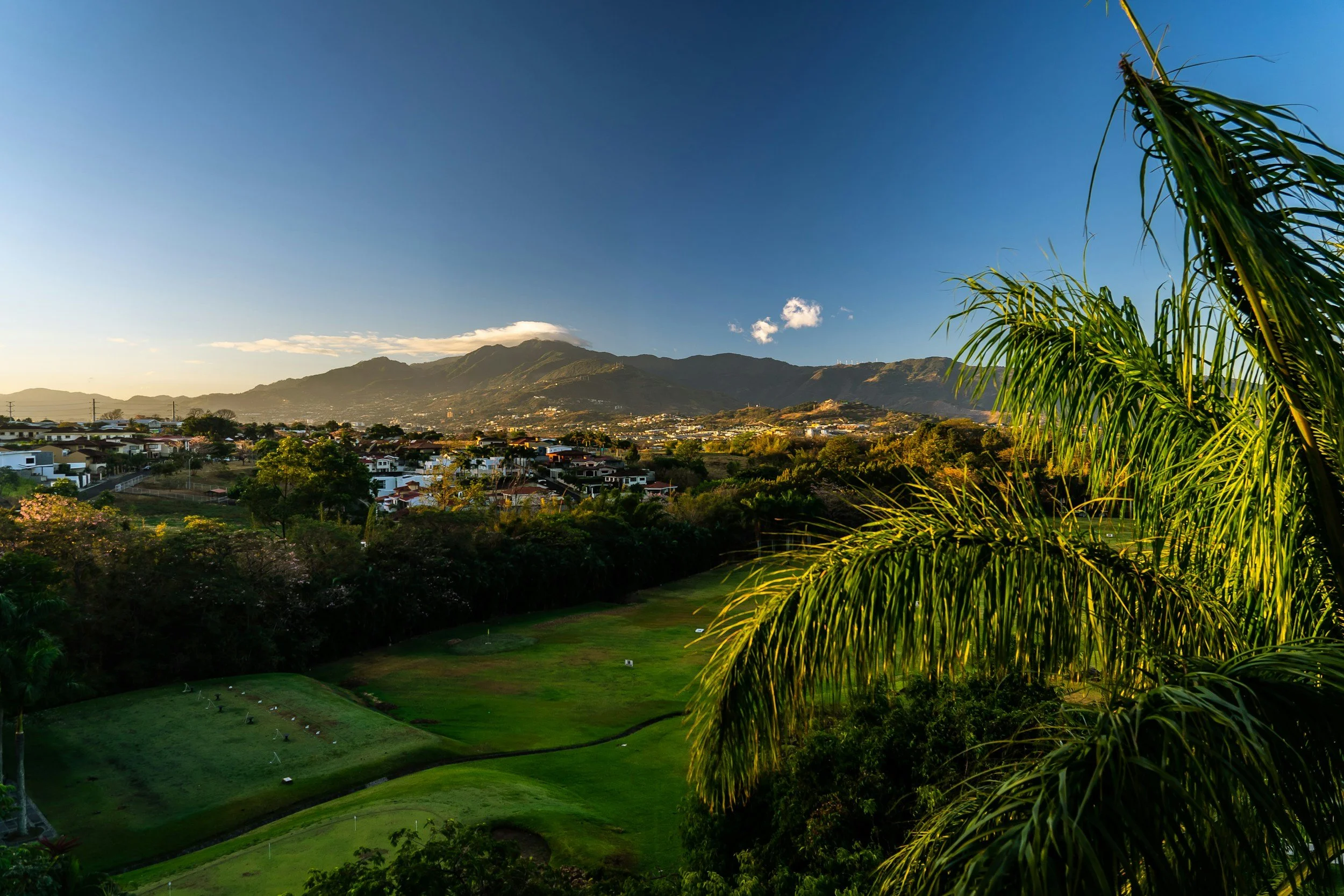
Costa Rica: Rainforest Adventure That Gets Kids Off Screens
Costa Rica works for families because the adventure comes built in. Your whole family can go zip-lining through the rainforest canopy. Try to spot sloths, toucans, and howler monkeys on guided hikes. And go trekking and exploring volcanoes. Something your family won’t really get at Disney.
What makes it work for families:
Costa Rica is set up for families. Eco-lodges cater specifically to families with kids of all ages, guides are trained to make wildlife spotting feel like a game, and the country's small size means you're never more than a few hours from your next adventure.
Highlights:
Zip-lining through cloud forest canopy
Guided wildlife walks (sloths, toucans, monkeys, poison dart frogs)
Arenal Volcano hikes and hot springs
White-water rafting (family-friendly rapids available)
Beach time on both Pacific and Caribbean coasts
When to go: December-April (dry season) for the most reliable weather. Green season (May-November) means fewer crowds and lower prices, with afternoon rain showers that rarely disrupt full days.
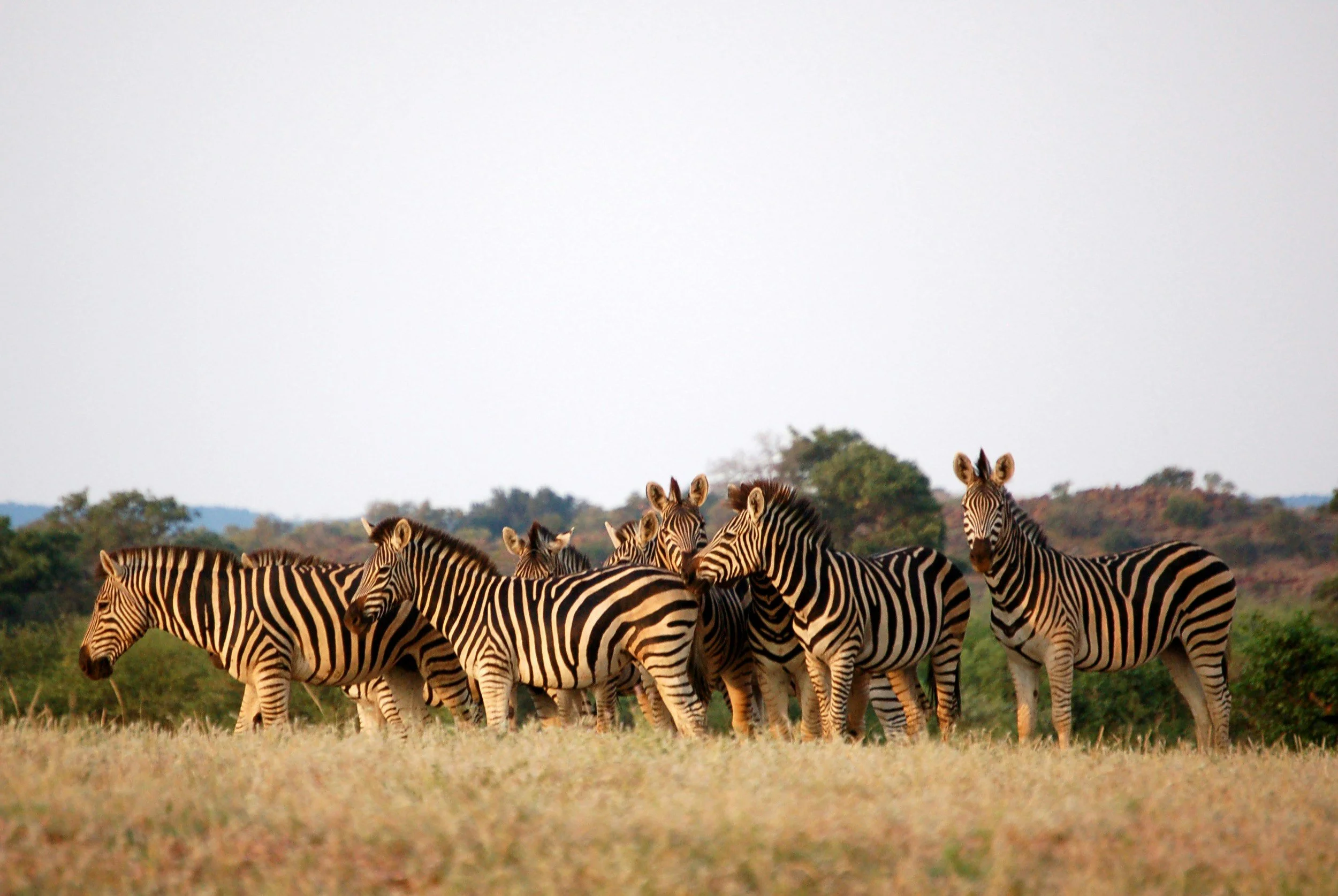
Botswana: Safari Camps Built for Young Explorers
Botswana's safari camps have figured out something most safari destinations haven't: how to make wildlife education genuinely engaging for kids, not just tolerable for parents. Many family-friendly camps run dedicated kids' programs where children learn animal tracking alongside expert guides.
What makes it work for families:
Guides teach kids to identify tracks, understand animal behavior, and think about conservation in ways that they’ll remember. Camps are set up with family-sized tents or suites, flexible schedules that account for kids' attention spans, and activities that go beyond watching from a vehicle.
Highlights:
Guided tracking lessons with expert naturalists
Family-suite safari camps with adjoining rooms
Conservation-focused programs teaching kids about wildlife protection
Boat safaris through the Okavango Delta
Cultural visits to local villages
When to go: May-October (dry season) for the best wildlife viewing, when animals gather around limited water sources.
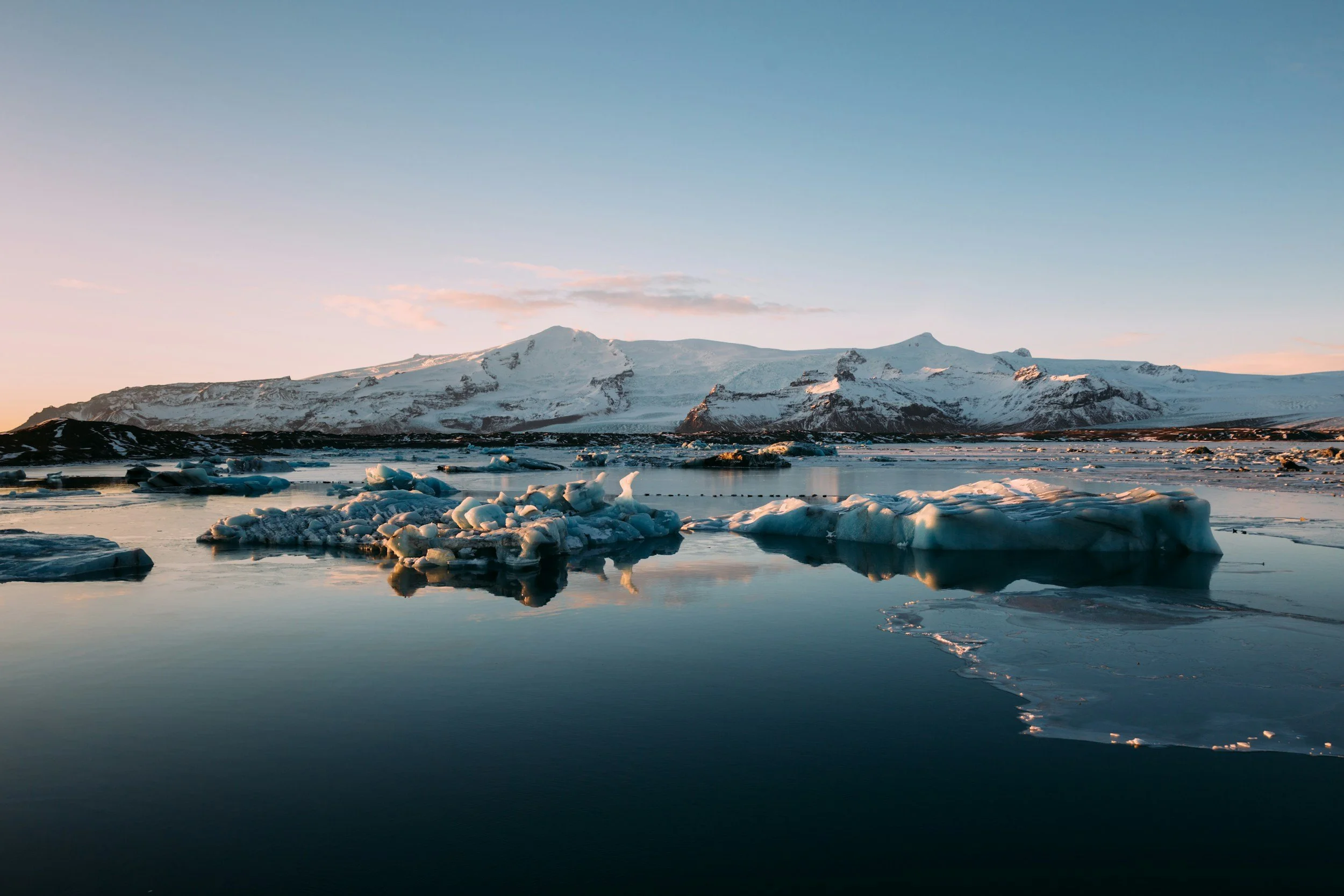
Iceland: Waterfalls, Glaciers, and Endless Summer Daylight
Iceland feels like a different planet, which is exactly the reaction you want from kids. Here, you have glaciers you can walk on, waterfalls so powerful you can feel them from a distance, and geothermal pools that turn "we're going swimming" into something genuinely strange and wonderful.
What makes it work for families:
Iceland's long summer daylight hours (up to 21 hours in June) mean more time to explore without racing against bedtime. The Ring Road makes for an easy, dramatic road trip with new scenery every hour. And almost everything, glaciers, waterfalls, geothermal areas, feels otherworldly enough that kids stay engaged without needing constant entertainment.
Highlights:
Glacier walks with certified guides
Geothermal pools (including family-friendly options beyond the Blue Lagoon)
Waterfall chasing along the Ring Road (Seljalandsfoss, Skógafoss, Gullfoss)
Black sand beaches
Whale watching from Húsavík or Reykjavik
When to go: June-August for the midnight sun and easiest driving conditions. Winter works too if you want a shot at the Northern Lights, but daylight hours are limited.
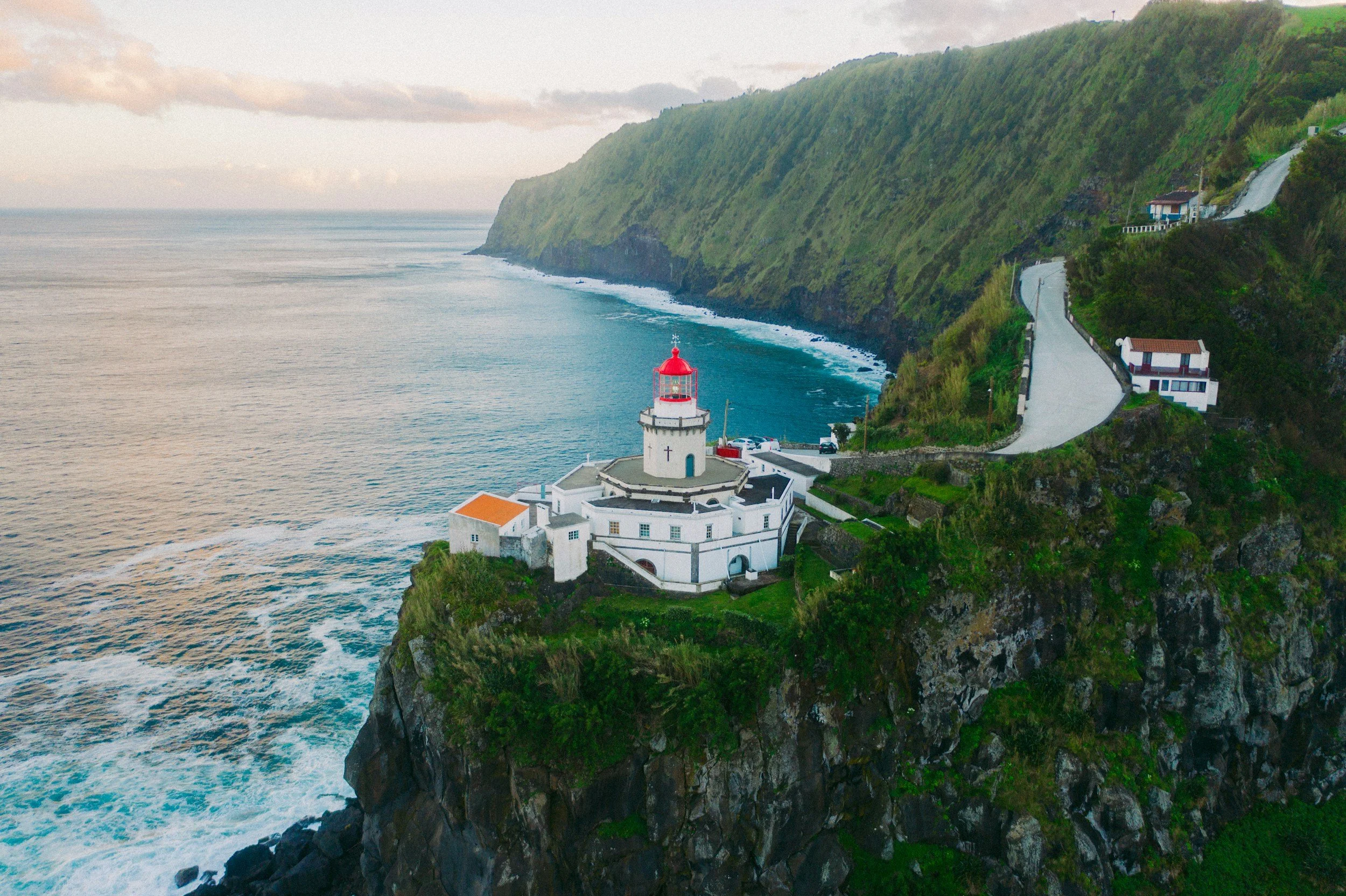
Azores, Portugal: Volcanic Islands Still Mostly Undiscovered
The Azores remain one of Europe's best-kept secrets, which means fewer crowds and more room for families to explore at their own pace. Nine volcanic islands scattered in the Atlantic offer natural hot springs, whale watching, and hiking trails that feel genuinely wild.
What makes it work for families:
The islands are small enough to feel manageable but varied enough to keep everyone entertained. Natural hot spring pools (some literally heated by volcanic activity) turn bath time into an adventure. Whale-watching tours run with high success rates thanks to the islands' position along migration routes. And the pace is inherently slower than most European destinations, with less rushing between sites and more time to actually enjoy them.
Highlights:
Natural volcanic hot springs (Furnas on São Miguel)
Whale and dolphin watching
Crater lake hikes with swimming opportunities
Tea plantation visits (Europe's only tea plantations)
Coastal towns with minimal tourist crowds
When to go: June-September for warm weather and calm seas, ideal for whale watching and hiking.
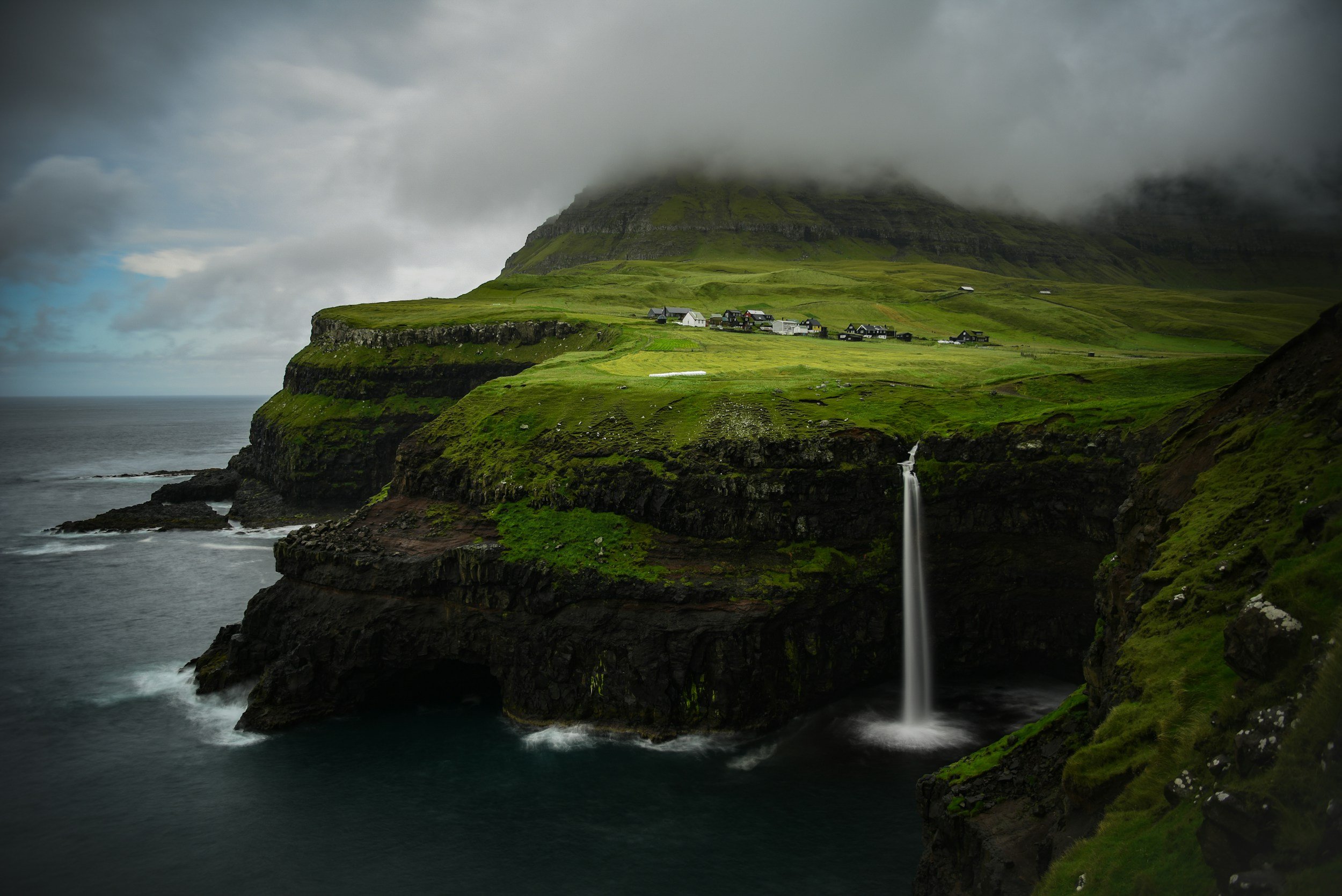
Faroe Islands: Dramatic Landscapes, Minimal Chaos
The Faroe Islands offer something increasingly rare: dramatic, otherworldly scenery without the crowds that come with it. Grass-roofed houses, cliffside villages, and a population small enough that everything feels personal rather than commercialized.
What makes it work for families:
This is true adventure travel, but at an unhurried pace. The islands are compact enough to explore without exhausting schedules, the scenery is dramatic enough to hold kids' attention without much effort (trust us, we’ve tested this theory!), and the small population means you're never fighting crowds for a photo or a table at dinner.
Highlights:
Hiking to dramatic sea cliffs and waterfalls
Puffin watching (seasonal, typically May-August)
Traditional villages with turf-roofed houses
Boat tours through sea caves and fjords
Simple, unhurried pace ideal for younger kids
When to go: June-August for the mildest weather and best hiking conditions, though the islands are dramatic and moody year-round.
Why These Family-Friendly Destinations Work for Your Next Trip
These five places share something that makes them better for families than typical vacation spots: the adventure isn't manufactured. Kids aren't entertained by costumed characters or scripted experiences. They're entertained by actual sloths in actual trees, actual glaciers under their boots, actual waterfalls loud enough to feel.
We know which family camps in Botswana handle kids well and which ones are better suited for adult-only trips. We know which Iceland itineraries account for kids' attention spans and which ones will have everyone exhausted by day three. We know the difference between a costa Rica eco-lodge that's family-friendly in name only and one that's actually built for it.
Ready to start planning your next family trip? Let’s get planning.