
Where to Go in Japan: 6 Places Our Travelers Keep Choosing
Japan has been one of our top sellers this year, and the reason is easy to explain. The country fits ancient temples, world-class food, mountain scenery, and some of the most inventive cities on earth into a single trip, and it works just as well for a first visit as for a fifth. Our team plans Japan trips around what each traveler wants to see, so no two itineraries look alike. These are the six places that we keep adding to every itinerary, as we think they’re the top places to go:
Tokyo
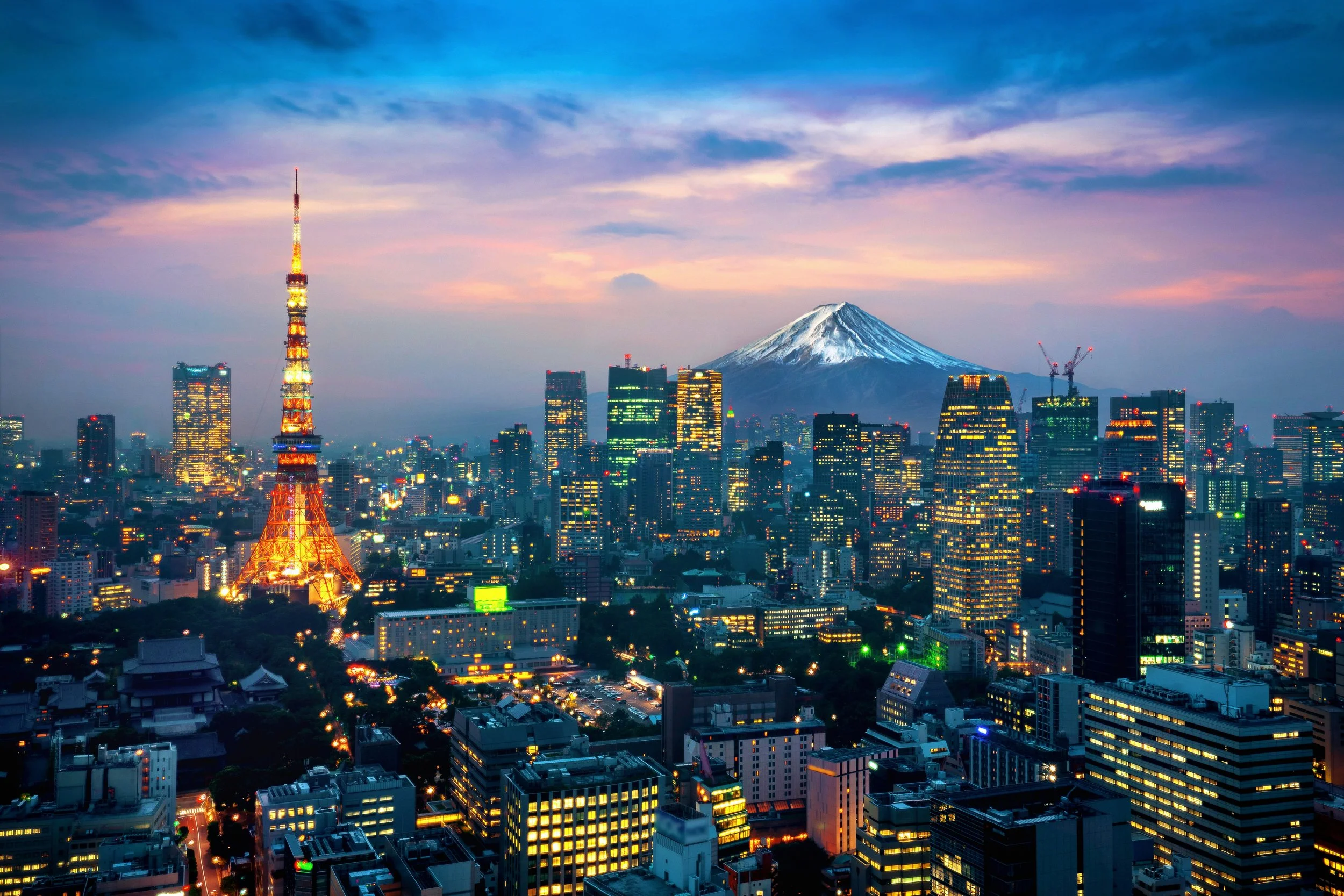
An obvious choice, but for a reason. The city has so much to offer, like digital art at teamLab, neighborhoods that each feel like their own city, and sushi counters with only six seats where the chef serves you each piece himself.
A full day in Tokyo can start at teamLab Planets, a museum where you walk through water barefoot and lie down on the floor of the flower room. Plan to spend more time there than you expect, because most people do. From there, head to the Tsukiji Outer Market, where small food stalls and shops still sell the produce and seafood that made the area famous. In Asakusa, you can walk down Nakamise-dori, a shopping street that dates back to the Edo period, to reach Sensoji Temple and its enormous red lantern.
For a quieter side of the city, the old neighborhoods of Nezu and Yanaka still have the atmosphere of Tokyo from decades ago, with narrow lanes, small shops, and a slower pace. Finish the day with a guided evening through a casual, old-style restaurant and bar district, where the best spots tend to be the ones you spot by smell and not by reservation.
Hakone
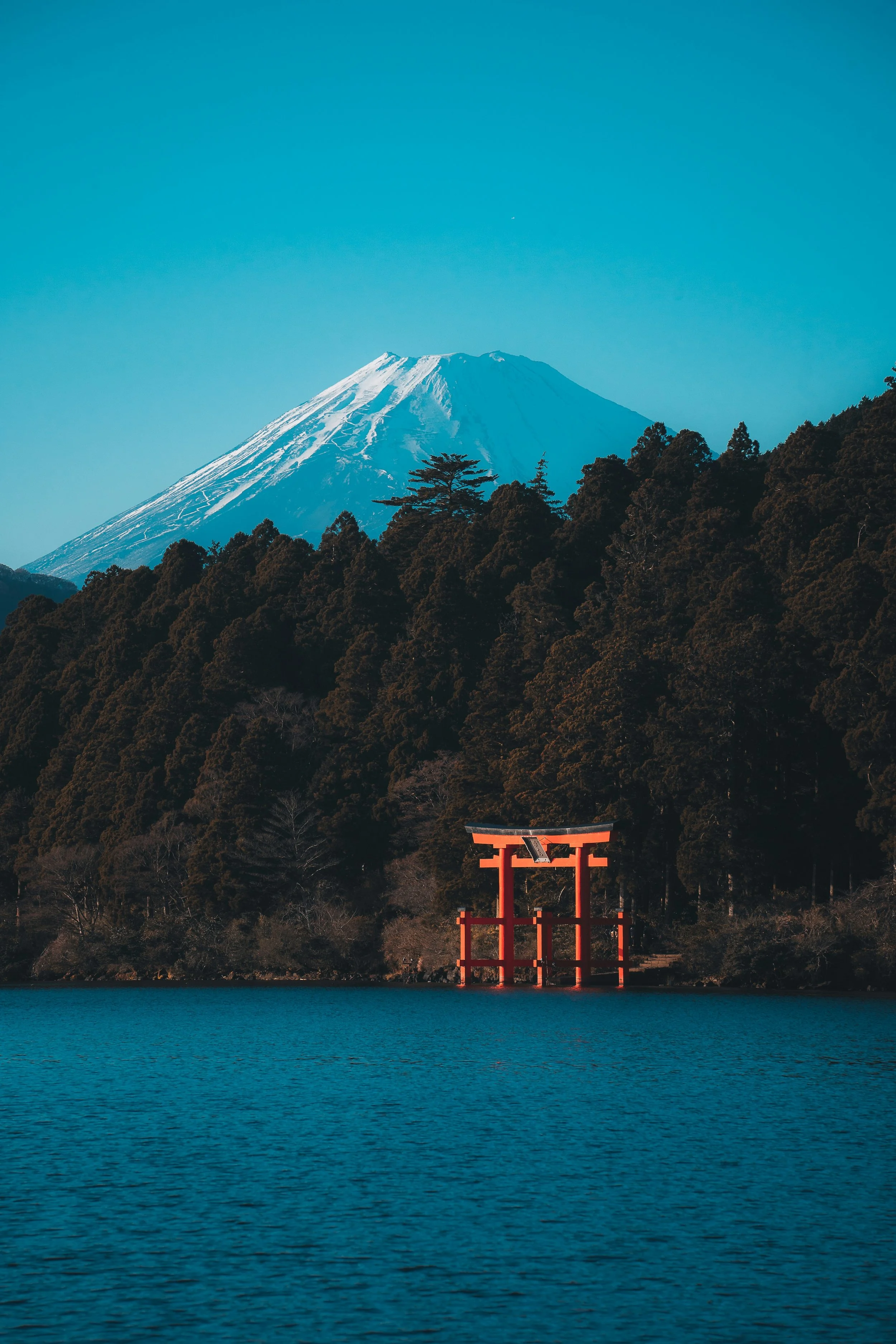
Hakone sits in a volcanic national park near Mt. Fuji and makes an easy escape from Tokyo. The best way to see it is on the water, with a private cruise across Lake Ashi and Fuji rising behind the surrounding mountains. A ropeway ride then takes you up to Owakudani, a valley around a crater formed by the last eruption of Mt. Hakone about 3,000 years ago, where volcanic steam still drifts from the hillside.
Art fans should plan time for the Hakone Open Air Museum, where sculptures by Rodin, Bourdelle, and Miro sit among the hills, alongside one of the largest collections of work by British sculptor Henry Moore. The museum also has a Picasso Pavilion with more than 300 pieces. Hakone is also the place to experience a traditional ryokan, and one of the best known is Gora Kadan, a former imperial villa turned inn. The evening here is part of the trip itself, with a soak in an onsen followed by a multi-course dinner.
Kyoto
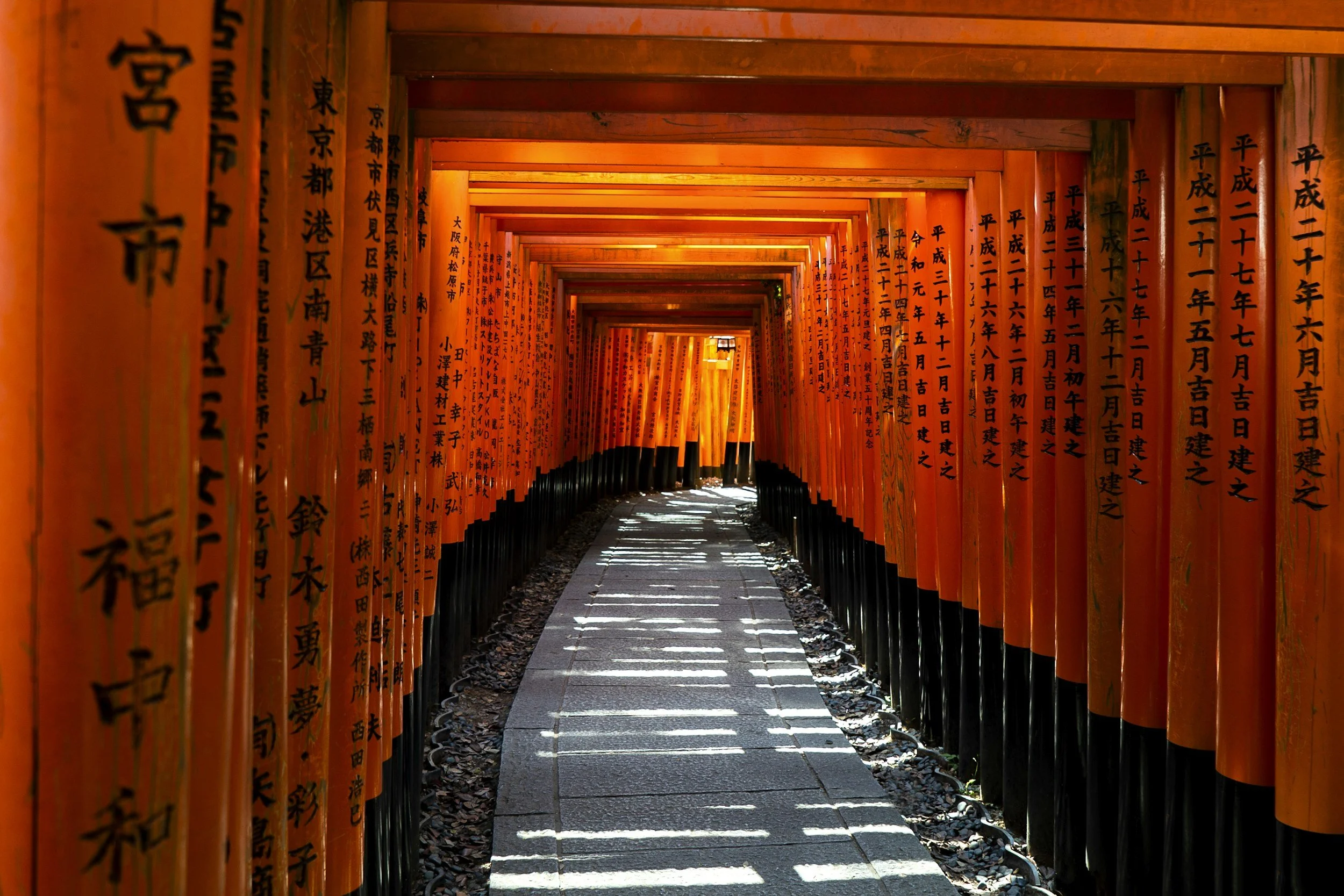
Kyoto is where the pace slows down. A tea ceremony here covers far more than the tea itself, including the architecture of the tea room, the choice of bowls and utensils, and the Zen thinking behind every movement.
Kiyomizu-dera, founded in 798, looks out over the whole city from its main hall. In Japanese, the phrase "jumping from the veranda of Kiyomizu" means taking on something bold, and standing on the veranda makes the idiom make sense. Below the temple, the lanes of Sannenzaka are lined with small shops and cafes, and they make a good place to try local sweets on the way down. Nearby, Nishiki Market packs more than 100 vendors into an arcade only 400 meters long, and Aritsugu, a famous kitchen knife shop, is worth a look even if you are not planning to cook. At Sanjusangendo, you will find 1,001 statues of Kannon, the goddess of mercy, in a hall built in 1266.
Evenings belong to Gion, the geisha district, where much of the traditional architecture has been preserved and where you may see a geiko, which literally means "woman of art," on her way to an appointment. On another day, add the Arashiyama bamboo forest, the Golden Pavilion, and the rock garden at Ryoanji.
Nagano
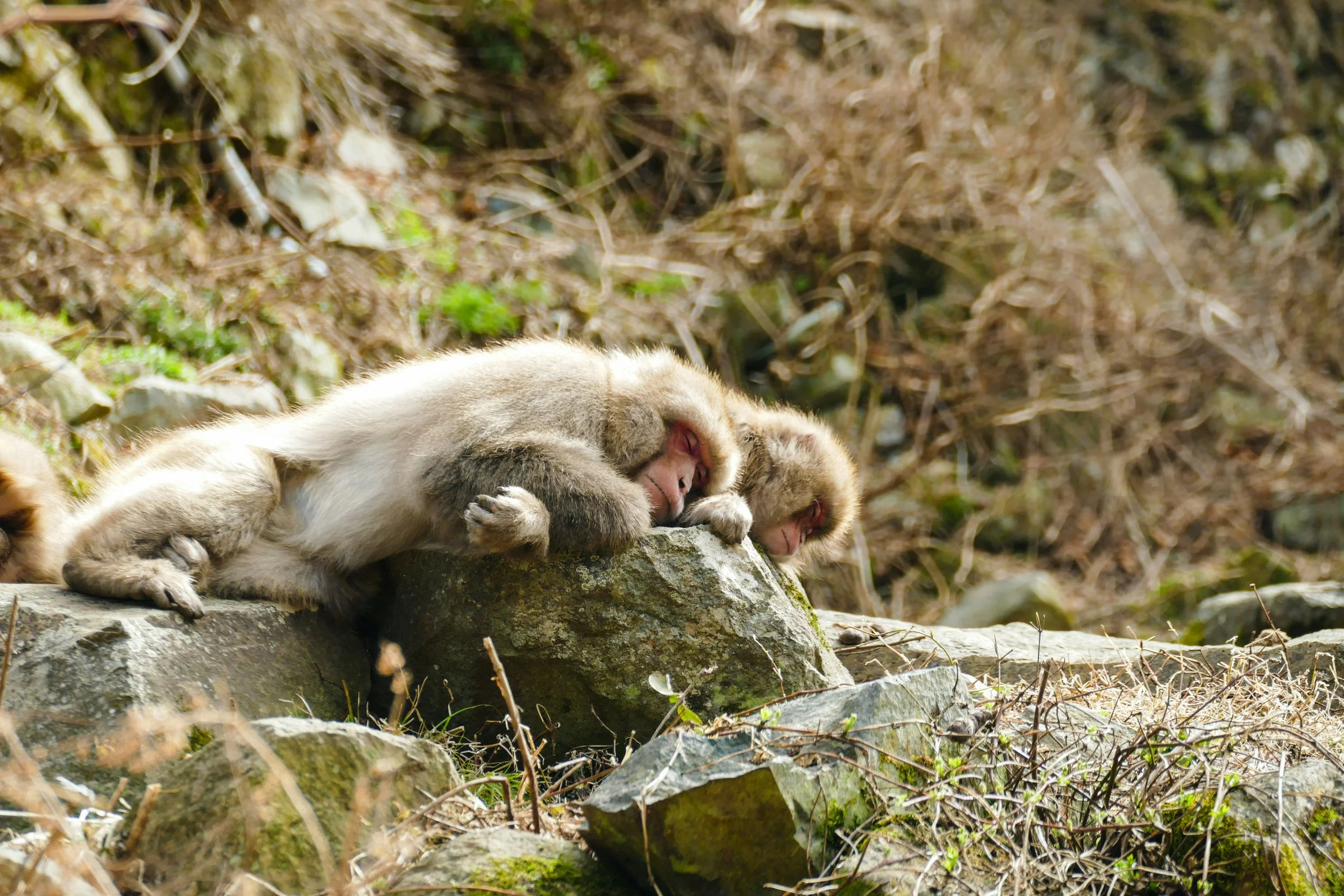
Nagano is the choice for travelers who want mountains and hot springs. The Japanese Alps surround the region, and the area hosted the 1998 Winter Olympics, so the skiing and the infrastructure are excellent. In winter, the snow monkeys at Jigokudani Monkey Park are the main draw, soaking in natural hot springs while visitors watch from the path.
Outside of ski season, Nagano still has plenty to offer, with hiking in the Alps, historic post towns, and small onsen villages that make an easy base. It also pairs well with a longer trip, since it connects to Tokyo by train.
Osaka
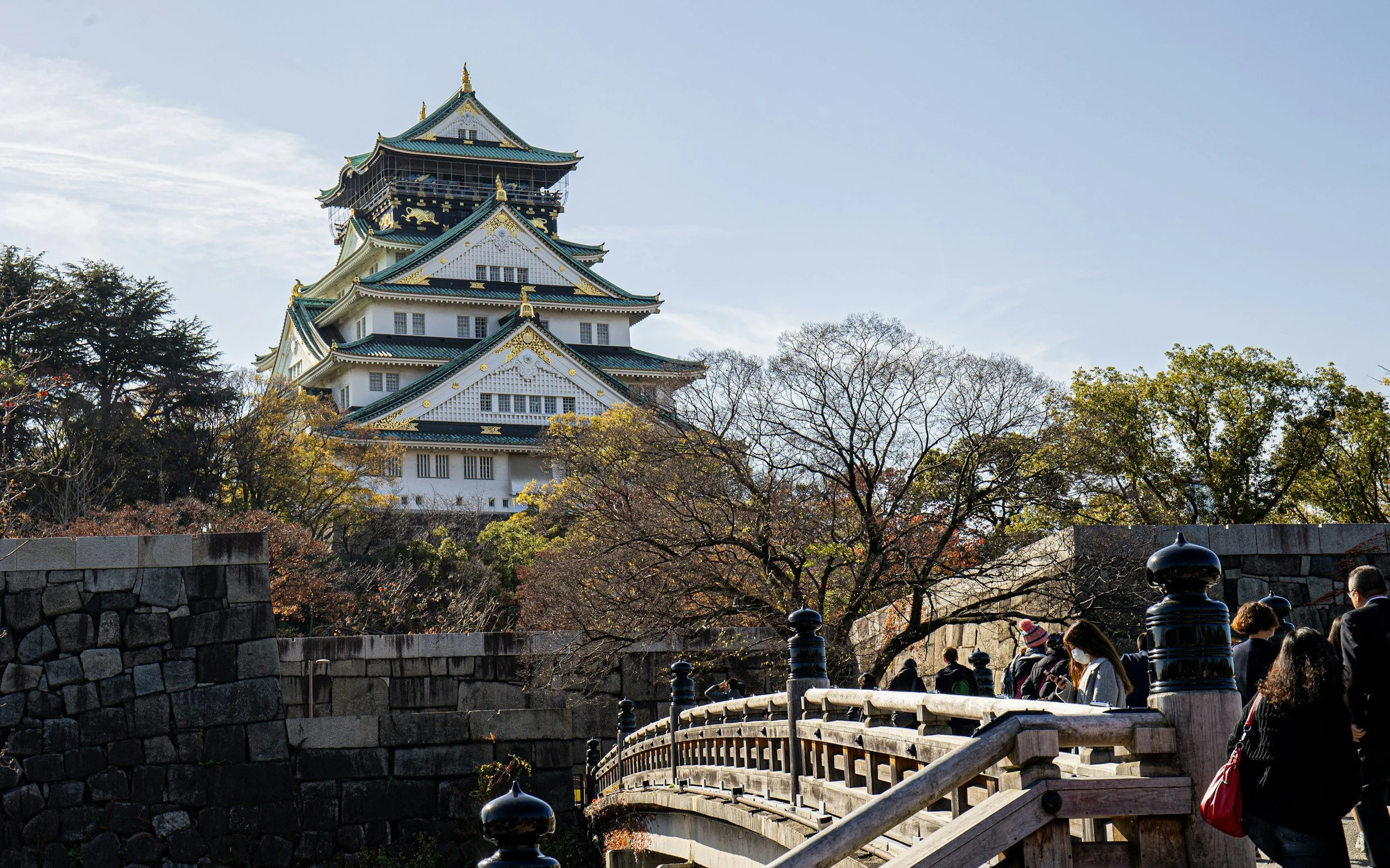
Osaka is Japan's food capital, and the best way to see it is to eat your way through it. The Dotonbori district is the center of the action, with takoyaki, okonomiyaki, and small restaurants packed along the canal beneath bright neon signs. Osaka has a friendlier, more casual energy than Tokyo or Kyoto, and locals tend to treat eating as a sport.
It also works well as a final stop on a trip. After a week of temples and ryokans, Osaka is a fun way to end on a high note, with a late dinner, a few drinks, and a good story to tell the people back home. Pair it with a few days in Kyoto, which sits less than an hour away by train.
Hokkaido
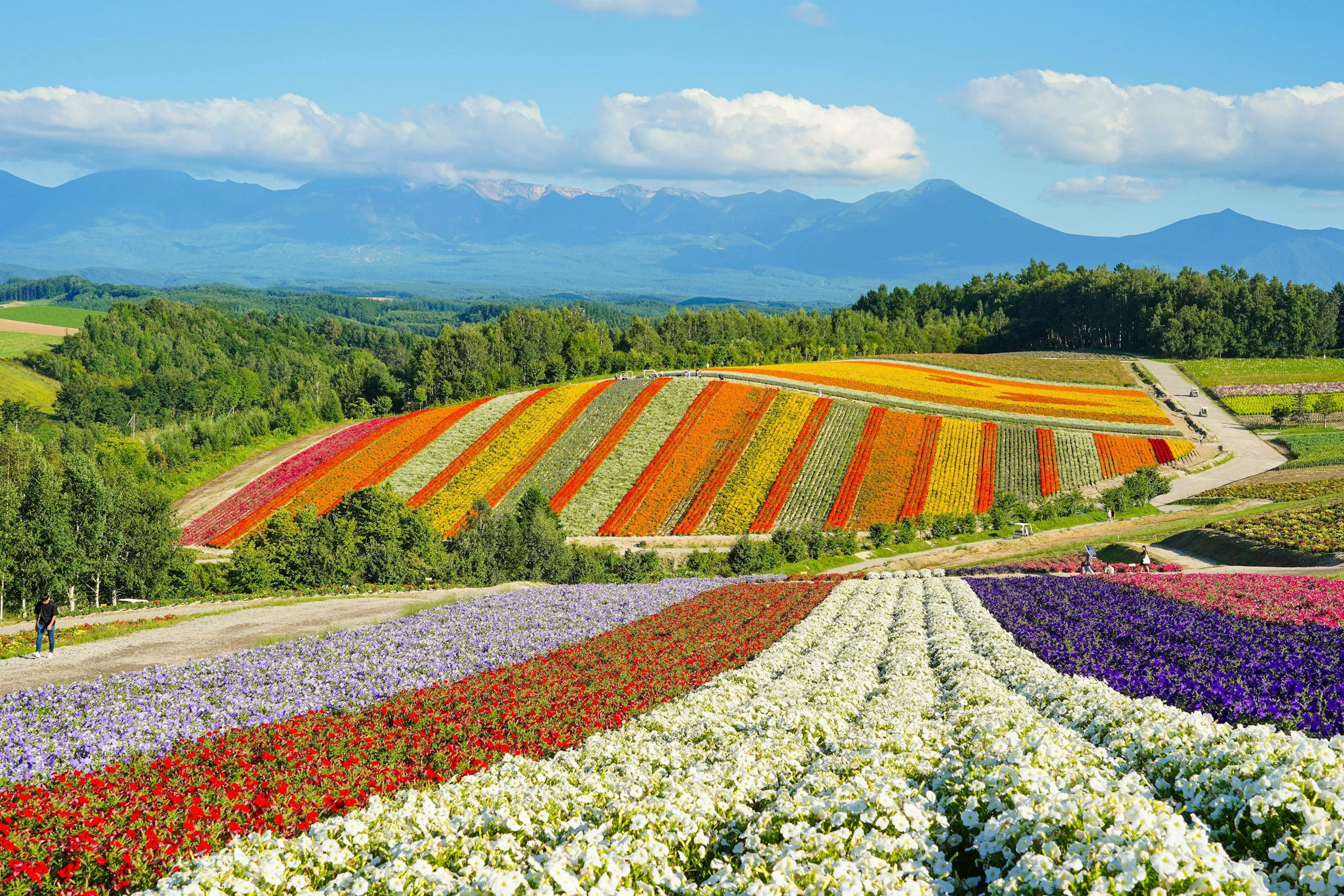
Furano, on the island of Hokkaido, is best known for the lavender fields at Farm Tomita, which bloom in the summer and are usually at their best around mid-July. The region also produces some of the best produce and dairy in Japan, so meals here are a highlight of their own.
Furano is also one of the best places in the country for powder snow. We have run a ski trip to Furano, with guided days on the mountain and evenings in the onsen, which is the best way to end a day of skiing. Pair it with a trip to the main island for travelers who want wide-open countryside after the cities.
Where We Would Stay
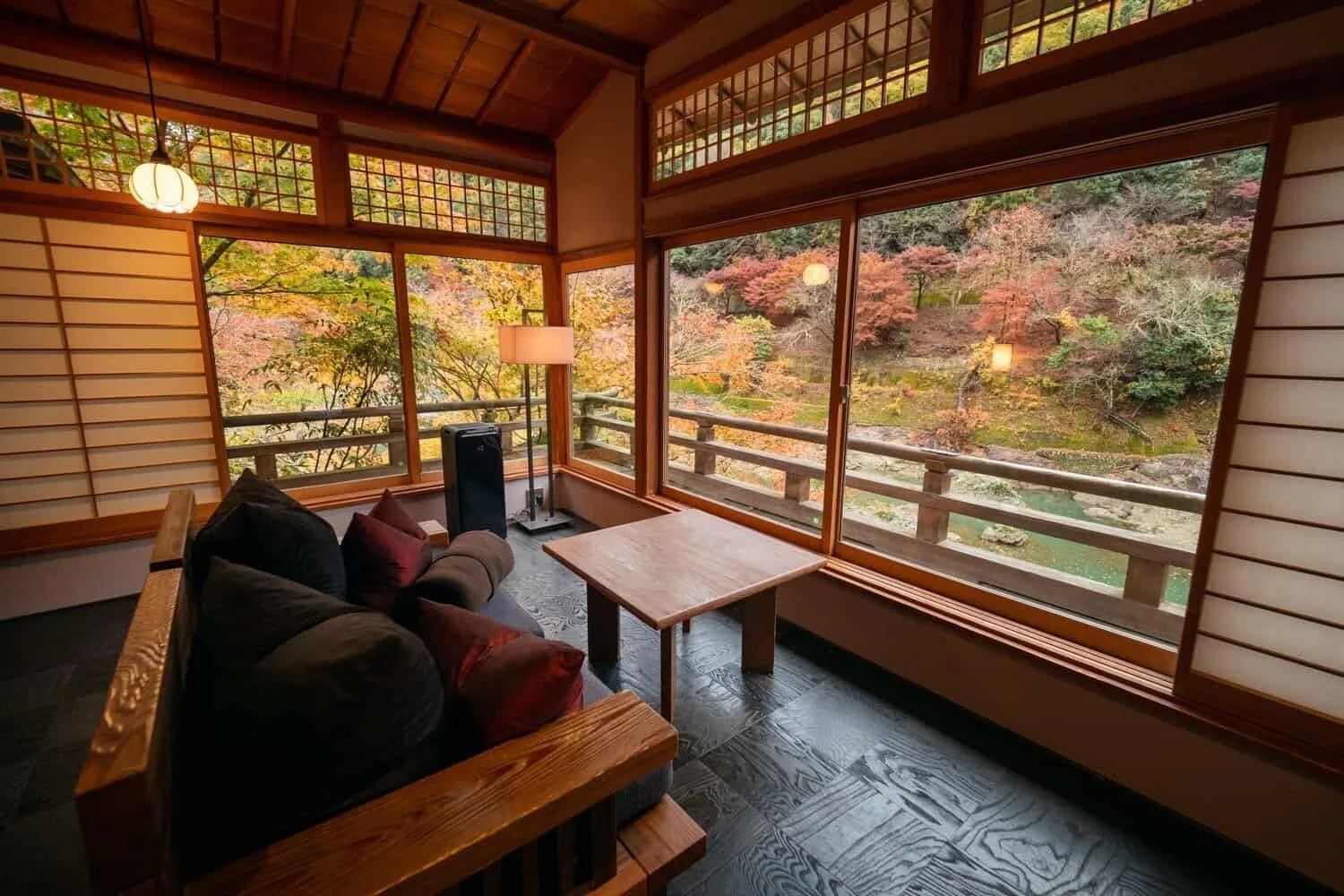
If we had to pick one boutique hotel in Japan, it would be Hoshinoya Kyoto in Arashiyama. It holds one MICHELIN Key and has only 25 rooms, so it feels more like a private retreat than a hotel.
Part of the fun is getting there. The property sits upriver from central Kyoto, and you arrive by traditional wooden boat, about 15 minutes along the water. Rooms have cypress soaking tubs, the restaurant is led by chef Ichiro Kubota and focuses on hyper-local, seasonal Kyoto cuisine, and the days can include ikebana lessons and Zen meditation. It blends the feeling of a ryokan with the comfort of a hotel, which makes it a good fit for travelers who want to experience traditional Japan without giving up modern comforts.
Our Japan trips often combine a stay like this with a night or two in Tokyo and Hakone. If you want to see how a trip comes together, visit Limitless Planet.
Plan Your Japan Trip With Us
Every Japan trip we plan is built around what you want to see, whether that is a first visit to Tokyo and Kyoto or a return trip focused on the Alps or Hokkaido. We handle the hotels and ryokans, the guides, and the logistics, so you can spend your time on the trip itself. Ready to start planning your trip? Contact us today.